The Frenchie Next Door (And What His Family Taught Me About Loving Pets Honestly)
A personal essay about the Frenchie next door, the cat upstairs, and what a block full of well-loved dogs taught me about good pet care.
Quick answer: Loving a pet honestly is not about buying the most expensive food or the biggest insurance policy. It is about paying close attention to the specific animal in front of you, learning their actual risks and needs, and spending money only where it genuinely helps them. The owners who do this well, across very different budgets, are the ones whose pets thrive.
I do not have a dog. I have a long-haired tortoiseshell cat named Persephone who is twelve years old, mostly judgmental, and the reason I started reading veterinary nutrition research at two in the morning. She is the love of my life and would be embarrassed I said that out loud.
But on my block, there are dogs. Atticus the French Bulldog lives next door. Pip the golden mix lives two houses down. There is a Labrador puppy across the street whose name keeps rotating depending on which kid is currently claiming him. I walk past all of them every day, and on most days at least one of them makes me laugh out loud.
This is a piece about that. About what Atticus's family has taught me about loving pets honestly. There is a difference between caring about an animal and actually caring for one, and the people who do the second well are doing something quiet and worth noticing.
Atticus

Atticus is a four-year-old French Bulldog the color of well-aged whiskey. He has the structural defects you would expect from his breed: the smashed face, the shallow lungs, the hip dysplasia his vet has been managing since he was eighteen months old. The breathing problems that come with that flat-faced shape even have a clinical name, brachycephalic obstructive airway syndrome, and the ASPCA is one of several welfare groups that has written about how those traits shape a Frenchie's lifelong care needs. He also has the exact personality the breed is famous for, which is to say he believes he is your friend before you have decided whether you are his.
When I first moved in, Atticus introduced himself by sitting on my left foot for an entire conversation between his owner and me about a downed tree branch. He did not move. He did not look up. He simply settled the full weight of his small block-shaped body across my shoe and waited for the conversation to end on his terms.
I was charmed. I am still charmed.
What I noticed over time, though, was not Atticus himself. It was his family.
The Quiet Math of Doing It Right

The neighbors who own Atticus are not particularly affluent. They drive a sensible car. They have a teenage son and a vegetable garden and a 2014 sedan that has been driven into the ground. They are not the people you would imagine investing in premium pet care.
But they are.
Atticus eats a raw diet shipped frozen to their door. The brand is Raw Wild, a small US operation that uses wild-sourced venison and elk meat from continental American ranges, formulated with bone and organ in the proportions a working dog's body actually expects to digest. I asked his owner once why they had picked it. She said: "Because the vet said his joints were going to be a problem his whole life, and I read that the inflammatory load of the diet matters more than people think."
That sentence has stayed with me. It is exactly the kind of thinking I respect. Read the research. Ask the vet. Factor in what is actually known about your specific animal. Then commit. No drama. No fad-chasing. Just honest care.
She also told me they have him on Lemonade Pet Insurance. Not because they expect a catastrophe but because his breed has a known catalog of expensive future events, and they would rather pay a manageable monthly premium for thirteen years than face a five-thousand-dollar bill the day his back goes out.
The math, when I ran it for our insurance vs. savings comparison, came out close to a wash for their income level. They are paying for cost-smoothing, not for raw economic gain. But they made that decision deliberately, and they made it because they love him enough to think clearly about his vulnerabilities.
That is what loving a pet honestly looks like.
What Persephone Taught Me

I do not run the same regimen for Persephone. She is twelve. She has been on a quality kibble-plus-wet rotation her whole life and a recent senior bloodwork panel said she is fine. The math for her is different and the answer is calibrated to who she actually is.
But what I learned from watching Atticus's family was the principle, not the regimen.
The principle is this: a pet does not need every premium intervention. They need the interventions that match their actual biology, their actual risk profile, their actual life. The owner who pays attention to which interventions are worth it for this animal is the owner who is loving them well.
It is not the kibble. It is not the insurance premium. It is the attention.
I think about Persephone more carefully now than I used to. I notice when she eats slower. I notice the small change in how she jumps to the windowsill. I have stopped buying the cheapest food because I read the research that says cheap food does measurably worse things over a decade than mid-tier. I have not switched her to raw because she would refuse it on principle and because her kidneys do better on the moisture in wet food anyway.
That is the principle in practice for a different animal. Same love. Different math.
The Other Dogs on the Block
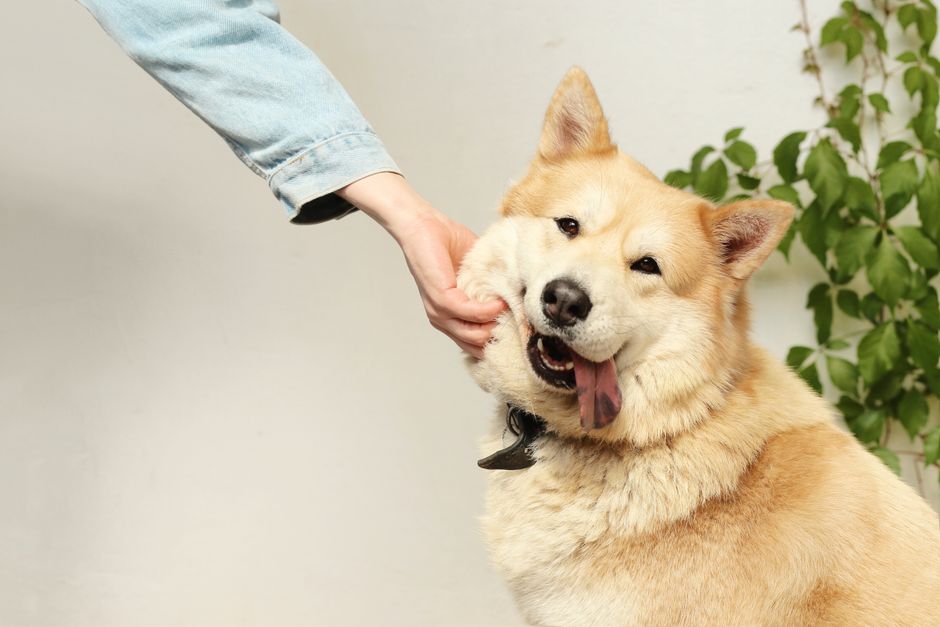
Pip, the golden mix two houses down, is approaching ten and is starting to gray in the muzzle. Her owner walks her three times a day, slowly. She is a senior dog now, and her senior care is being done well: she has a soft orthopedic bed in their living room window so she can watch the street without straining her hips. Her diet was switched to a senior formula at age eight. Her dental cleanings are scheduled. She is loved with planning.
The Lab puppy across the street, currently called Otis, sometimes called Charlie, currently being raised by committee, is being raised at full puppy intensity by a family that has clearly read the right things. He is on a large-breed puppy formula because his adult weight will be sixty-five pounds and his calcium-phosphorus ratio matters more than people realize. They walk him on a long line. They are putting in the work, and the dog is going to come out the other end of his first year as a confident, healthy young animal.
Three different dogs. Three different households. Three different financial situations. All being loved well.
What unites them is not money or breed or age. It is that the people who own them are paying attention.
What This Magazine Is For, Honestly

The reason I write CoverHope the way I do is because of these dogs. And because of Persephone.
Most pet content online is written by people who do not own pets, or who own pets in the abstract. They recommend the most expensive option because the expensive option pays the highest commission. They tell you to buy insurance because they earn money when you do, even if your math says skip it. They imply that purchasing premium products is what loving your pet means.
That is not what loving your pet means.
Loving your pet means knowing them. Knowing what they need, knowing what they don't, paying attention to what changes, and being willing to spend money on the things that actually matter for that specific animal in that specific life.
Sometimes that is Raw Wild for a Frenchie with predictable joint vulnerabilities. Sometimes it is just keeping the existing kibble and watching the cat eat a little more slowly than she used to. Sometimes it is insurance you'll actually use, and sometimes it is a savings account you will never need to dip into.
The answer is not the same for every animal. The attention is.
A Closing Thought
I am writing this on a Tuesday afternoon in May. Atticus just walked past my window with his owner. His ears were forward, his tail was up, and he was leaning slightly to the left because his right hip was a little stiff after his nap. He looked, as always, deeply pleased with the world.
I do not have a dog.
But I have a block full of them, a cat upstairs, and a small editorial publication that exists because watching the people on this block love their animals well taught me what good pet care actually looks like.
This whole project is, in a real way, a love letter to that.
Jordan
Frequently Asked Questions
What does it mean to love a pet "honestly"?
Loving a pet honestly means caring for the actual animal rather than an idea of pet ownership. It is the difference between buying premium products to feel like a good owner and learning your specific pet's biology, risks, and changes, then spending where it truly helps. Attention, not money, is the common thread among owners who do it well.
Do French Bulldogs really need extra care?
Yes. French Bulldogs are a brachycephalic (flat-faced) breed prone to breathing difficulties, hip and joint issues, and skin-fold problems. The American Veterinary Medical Association and other veterinary bodies note that these breeds often require closer monitoring, weight management, and heat precautions throughout their lives.
Is pet insurance worth it for a high-risk breed?
It can be, but it depends on the math for your situation. For breeds with predictable, expensive future health events, insurance smooths cost rather than guaranteeing savings. Many owners choose it to avoid a sudden five-figure bill, not to come out ahead financially. Compare a policy against simply saving the premiums each month.
Should every dog eat a raw diet?
No. A raw diet suits some dogs and households but is not required for good care. What matters is matching the diet to the individual dog's health, age, and risk profile, and getting any raw or home-prepared diet formulated correctly. Plenty of dogs thrive on quality kibble for their whole lives.
How can I tell if I am caring for my pet well?
Watch for whether you notice change: appetite, energy, how they move, small shifts in routine. Owners caring well tend to track these details and respond to them, adjusting food, vet visits, or comfort measures as the animal ages. Consistent attention is the strongest signal of good care.