Is Pet Insurance Worth It? Who Actually Benefits.
An honest framework for deciding whether pet insurance is worth buying for your animal. Breed, age, and financial situation decide. We walk through each.
Short answer: Pet insurance is worth buying for healthy young pets of breeds prone to expensive conditions, for owners who could not absorb a sudden $5,000 vet bill, and for households that would rather pay a predictable monthly premium than risk one large hit. Skip it for senior pets (pre-existing exclusions gut the value), low-risk mixed-breed adults, and households with $10,000+ already set aside for pet care. The rest of this page walks through breed, age, and finances so you can place your own pet.
Pet insurance is a product that did not exist in most people's decision space until fairly recently. Twenty years ago, it was a rarity. Today, it is something your vet mentions at the first puppy or kitten visit, and something many pet owners feel vaguely guilty about not having.
The honest answer to whether it is worth buying is: it depends on your pet, your pet's breed, your pet's age, and how your bank account would react to a surprise $5,000 veterinary bill. We are going to walk through those factors carefully, because the wrong answer in either direction is costly. Paying for insurance you do not need is a slow drain on the household budget. Skipping insurance your pet needs can turn a treatable illness into an impossible decision.
This article is the framework. Not every pet should have insurance. Many pets should. The difference is specific enough that most readers should be able to get a clear answer from the sections below.
What pet insurance actually is
Pet insurance works roughly like human health insurance, with important structural differences.
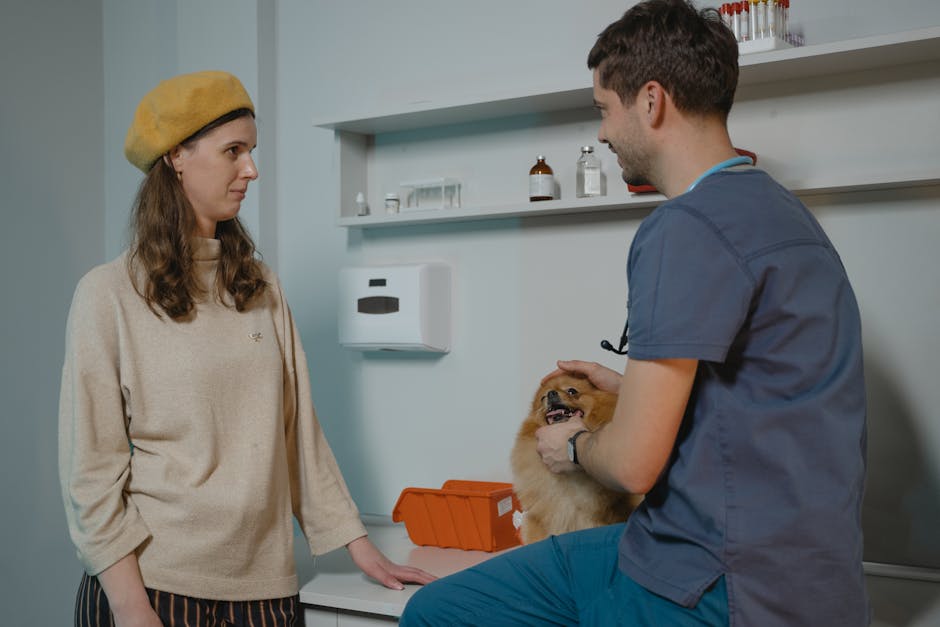
You pay a monthly premium. When your pet needs veterinary care covered by the policy, you pay the vet directly (most policies do not pay the vet; they reimburse you after the fact). You submit a claim with receipts. The insurance company processes the claim and reimburses you for the covered amount, minus your deductible and subject to your reimbursement percentage and annual cap.
Key structural differences from human health insurance:
- Reimbursement model. You pay upfront, then get reimbursed. This means cash flow matters; pet insurance helps with total cost but does not reduce the moment-of-crisis outlay.
- Pre-existing conditions are permanent exclusions. Unlike human health insurance, pet insurance never covers conditions that existed before the policy started, even after waiting periods or as the condition evolves.
- Wide variation in coverage types. Accident-only plans cover injuries but not illness. Accident-and-illness plans cover both. Wellness add-ons cover routine care. Each coverage tier has its own cost structure.
- Annual maximums. Most plans cap total payouts per policy year. Some have unlimited annual payouts (Healthy Paws, Trupanion) at higher premium; most cap at $5,000, $10,000, or $20,000.
Understanding these differences matters because the question "is pet insurance worth it" is really a question about whether the specific structure of pet insurance matches your pet's actual risk profile and your financial situation.
The math in abstract

The average US dog owner will spend roughly $15,000-$20,000 on veterinary care across a 12-15 year lifespan. The distribution is heavily weighted: most years are low-cost (annual exams, vaccines, preventive care) and a few years are high-cost (surgeries, chronic illness, cancer treatment, end-of-life care).
Pet insurance premiums for a young healthy dog run $500-$800 per year depending on breed, provider, coverage level, and deductible. Over a 14-year lifespan, that is $7,000-$11,000 in total premiums.
On raw math: if your dog stays healthy and never has a major medical event, pet insurance is a financial loss in the same way that car insurance is a financial loss when you never file a claim. If your dog has one or two significant medical events, insurance likely pays for itself. If your dog has a chronic condition or cancer treatment, insurance pays for itself several times over.
The statistical challenge: most individual dogs will not break even on insurance. Most dogs live out their lives without a cancer diagnosis or a major orthopedic surgery. A minority do, and for them, insurance is massively valuable. Because you do not know in advance which category your dog is in, the insurance question is a risk-management question, not a pure expected-value question.
Breed considerations
The single biggest factor in whether pet insurance is worth buying is breed. Certain breeds have well-documented genetic predispositions to expensive conditions.
High-risk breeds (insurance strongly recommended):
- French Bulldogs, English Bulldogs, Pugs, other brachycephalic breeds. Respiratory surgery (BOAS) is common and expensive. Spinal issues (intervertebral disc disease) are also frequent. Total lifetime veterinary costs for these breeds often run 2-3x the breed average.
- Golden Retrievers, Boxers, Rottweilers, Bernese Mountain Dogs. Cancer predisposition is well-documented. Chemotherapy and oncology care easily runs $10,000-$20,000 per cancer treatment cycle.
- Great Danes and other giant breeds. Cardiac issues, GDV (bloat), and orthopedic conditions. Emergency surgeries are common and expensive.
- Dachshunds, Corgis, Basset Hounds. Spinal issues from their body structure. IVDD surgery runs $8,000-$12,000.
- German Shepherds, Labradors, retrievers generally. Hip and elbow dysplasia. Orthopedic surgery runs $4,000-$7,000.
For these breeds, we recommend pet insurance almost without exception. The lifetime probability of a high-cost event is substantial enough that the premium is a good trade.
Moderate-risk breeds:
- Most purebreds not listed above. Specific health concerns vary. Research the breed before buying insurance to understand the most likely cost drivers.
Lower-risk:
- Mixed-breed dogs of moderate size (30-60 pounds). Hybrid vigor reduces genetic predispositions, though it does not eliminate them. Insurance is still useful but less critical.
- Healthy young domestic shorthair and longhair cats. Indoor cats have lower accident risk than outdoor cats. Most chronic conditions develop later in life.
Special considerations for cats:
- Kidney disease is common in older cats and expensive to manage long-term.
- Diabetes is increasingly common, particularly in overweight cats, and requires insulin plus regular monitoring.
- Siamese cats have breed-specific kidney risks worth noting.
- Ragdolls, Persians have heart condition predispositions.
Age considerations
Pet insurance is vastly more valuable when enrolled before any health issues develop.
Enrolling a young puppy or kitten (under 1 year): ideal. No pre-existing conditions to exclude. Premium is cheapest it will ever be. Coverage window is longest.
Enrolling an adult dog or cat (1-7 years): still valuable. Some conditions may have developed but not been diagnosed. The insurance company will review medical history carefully.
Enrolling a senior dog or cat (7+ years): possible but limited. Many insurers have age caps (typically 10-14 years) beyond which they will not enroll new pets. Those that do enroll seniors often have elevated premiums or restricted coverage. Pre-existing exclusions are particularly burdensome for older pets since most will have some accumulated medical history.
The implication: if you are going to buy pet insurance at all, buy it when your pet is young. Waiting until the pet is older means paying more for less coverage, or being unable to enroll at all if the pet develops a condition that would have been covered earlier.
When we recommend skipping

We are an affiliate site that makes money on pet insurance signups. We are still going to name the scenarios where skipping is the right call.
Skip pet insurance if:
- You have a mixed-breed young healthy pet, significant emergency fund, and the ability to absorb a $5,000 surprise veterinary bill without financial distress. In this case, self-insuring through savings is cost-effective. Maintain a dedicated pet emergency fund of $5,000-$10,000 as your backstop.
- You have an older pet with significant pre-existing conditions who would see most illness costs excluded from coverage. The insurance in this case is largely paying for a small set of scenarios (new injuries, new illnesses unrelated to existing conditions), which may not justify the premium.
- You have clear intentions about end-of-life choices that would cap your spending. Some pet owners make the difficult but legitimate decision that they will not pursue heroic measures for their pets regardless of cost. If your personal ceiling is, for example, $2,000 per incident, pet insurance is a smaller-magnitude benefit.
- Your pet is near the end of its natural lifespan. Insuring a 13-year-old Great Dane is often more expensive than self-insuring the likely remaining care.
Do not skip pet insurance if:
- Your pet is a breed with known high-risk conditions (listed above).
- Your pet is young and healthy now, and you have the opportunity to lock in pre-existing-condition coverage.
- A $5,000 veterinary bill would force a hard decision you would rather not make.
- You have had a prior pet whose care costs stressed your finances and you do not want to repeat that experience.
The recommendation

For most pet owners with young healthy pets, especially those with predisposed breeds, pet insurance is worth buying. The right product depends on the specifics of the pet and the household's priorities.
Our primary recommendation is Lemonade Pet Insurance for most readers. A few reasons:
- Fully digital claim process. Most claims are submitted via the Lemonade app with photos of receipts, and many are reimbursed within days or even hours. The friction is lower than almost any other pet insurance provider.
- Competitive pricing for young healthy pets, particularly in the dog category.
- Optional wellness add-on for readers who want routine care covered (vaccines, dental cleanings, flea prevention). The add-on is modestly priced and can be worth it for owners who want predictable total costs.
- Customizable reimbursement and deductibles so you can dial coverage to your budget.
Lemonade is not the right choice for every pet. Healthy Paws (unaffiliated but recommended for its uncapped annual payout) is better for owners of breeds with extreme chronic-care risk, where an annual cap would be exceeded in a major medical year. Trupanion is better for owners who want direct vet payment rather than reimbursement. Embrace is better for older pets.
We will cover provider comparisons in depth in separate articles. The bottom line: if you are going to buy, Lemonade is the right starting point for most readers, and the application takes about 10 minutes.
A note on waiting periods

Most pet insurance policies have waiting periods between enrollment and when coverage kicks in. Typical structure:
- Accidents: 2-14 day waiting period (Lemonade is 2 days; most competitors 3-14 days)
- Illness: 14 day waiting period is standard
- Orthopedic conditions, cruciate ligaments: 6-month waiting period is common (Lemonade, Embrace, others)
This means: if you buy the policy today because your dog limped yesterday, that limp is not covered. The policy protects against future issues, not current ones. Enroll when your pet is healthy, not when there is something to file a claim on.
This also means: enroll before any suspicious symptom, not after. A pet insurance policy purchased 15 minutes after the first sign of limping will exclude that condition.
The realistic pet owner framework

Run through these questions:
- What breed is my pet, and what are the known high-risk conditions for that breed?
- How old is my pet, and do I have a reasonable window to enroll with few pre-existing exclusions?
- Could I write a $5,000 check tomorrow without financial stress?
- Would I regret not having covered my pet if they developed a serious condition in the next 10 years?
If the answers lean toward "breed at risk, young enough to enroll, $5,000 would hurt, would regret not covering," buy the insurance. Lemonade is the default recommendation for most. → Get a Lemonade quote, finalize in about 10 minutes, and enjoy not having to think about it.
Get the second quote from Haven before you decide, because it answers the question this page keeps asking, which is whether a big year would blow through the cap: Haven's illness and injury plans run from $10,000 to $40,000 a year with no lifetime cap, at 70 or 90 percent reimbursement and a deductible you choose between $100 and $1,000. Enrolment is open from seven weeks with no upper age limit, which matters for the older-pet cases above. It is a newer brand administered by Odie Pet Insurance and underwritten by Trisura, so weigh the price against Lemonade rather than the name. It is not sold in Alaska, Hawaii or New Hampshire, and the quote page tells you straight away if your state is out. We earn a commission on policies bought through that link.
If the answers lean toward "mixed breed, older, financially solid, and no particular worry," skip the insurance and maintain a dedicated pet emergency fund instead. You will come out ahead on expected value and your pet is unlikely to suffer for the decision.
Most readers should end up in the "yes, probably worth it" bucket. A significant minority should not. Knowing which you are, and acting on it, is the whole answer.
Frequently Asked Questions
Is pet insurance worth it for an indoor cat?
For a young, healthy indoor cat, pet insurance is useful but less essential than for many dogs. Indoor cats have lower accident risk, but they remain prone to expensive later-life conditions like kidney disease and diabetes that insurance covers well if you enroll before symptoms appear. The American Veterinary Medical Association notes that chronic illness is a common driver of high cat costs, so enrolling early is the main way to make a cat policy pay off.
Is pet insurance worth it for an older dog?
It can be, but the value drops sharply with age. Many insurers cap new enrollment around 10 to 14 years old, premiums for seniors are higher, and any condition your dog already has will be excluded as pre-existing. If your older dog is still healthy and you can enroll, a policy can still cover new illnesses and accidents. For a senior dog with existing conditions, a dedicated savings fund often makes more sense.
What does pet insurance actually cover?
Accident-and-illness plans, the most common type, cover injuries, new illnesses, surgeries, diagnostics, and many chronic conditions that begin after the policy starts. Accident-only plans cover injuries but not illness, and routine care like vaccines and dental cleanings is usually only covered through an optional wellness add-on. Coverage is paid through reimbursement after your deductible, reimbursement percentage, and annual cap.
Does pet insurance cover pre-existing conditions?
No. Pet insurance permanently excludes any condition that showed signs or was diagnosed before your policy started or during its waiting period, and this is the single most important difference from human health insurance. Some insurers may cover a "curable" pre-existing condition again after a symptom-free period, but ongoing or chronic pre-existing conditions stay excluded for life. This is why enrolling while your pet is young and healthy matters so much.
When is pet insurance NOT worth it?
Skip it when you can comfortably absorb a large surprise vet bill from savings, when your pet is a low-risk mixed breed with no concerning history, or when an older pet's significant pre-existing conditions would leave most likely costs excluded. It is also a weaker fit if you have a firm personal ceiling on what you would spend on care. In those cases, a dedicated pet emergency fund of roughly $5,000 to $10,000 is usually the better backstop.
Further reading
USDA's Animal and Plant Health Inspection Service publishes consumer guidance on pet health and ownership that is worth reading alongside any insurance decision. The federal frame is a good baseline before looking at any specific product.
More from CoverHope
- Lemonade vs MetLife Pet Insurance: Head-to-Head. Once you decide pet insurance is worth it, the comparison of the two most-searched products.
- Lemonade Pet Insurance Review. A standalone deep-dive on the most popular budget option.