Pet Insurance With Routine Dental Cleaning: 4 Picks
Four pet insurance plans that actually cover routine dental cleaning, the underwriting reason most exclude it, and which breeds genuinely need it.
Most pet insurance plans do not cover routine dental cleaning. They cover dental illness (extractions, infections, fractures) but specifically exclude the prophylactic cleaning under anesthesia that the vet recommends every 12 to 24 months and that runs $400 to $1,200 in most US markets. The reader who searches for "pet insurance that covers dental cleaning" is usually looking at a $700 vet bill they did not budget for, and the policy they already have is going to deny it.
This guide names the four pet plans that genuinely include routine dental cleaning, explains the underwriting reason most plans exclude it, and provides a decision matrix for which breeds and ages actually need this coverage. In my experience selling life and pet policies for nine years at two carriers, the right product almost always comes down to the same three questions buyers rarely think to ask up front. Dental coverage is one of those questions.
Why most pet insurance excludes routine dental
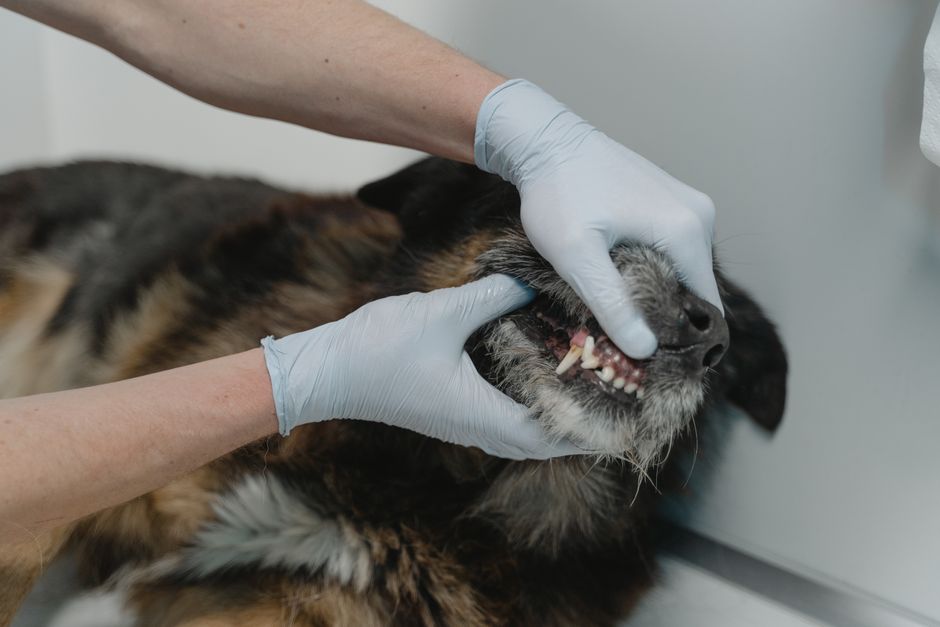
The underwriting reason most exclude it is straightforward. Routine dental cleaning is a near-100% utilization expense. Every covered pet uses it, every year, for a predictable amount. That is the opposite of what insurance is designed to handle. Insurance prices the rare-but-expensive event (cancer, surgery, emergency care) by averaging across the policy pool. The cost of one pet's surgery is paid by the premiums of the hundred pets that did not have surgery this year.
Routine dental does not work that way. Every pet uses it, so there is no premium pool to spread the cost across. The carrier has to charge each pet roughly what the cleaning costs, plus an administrative margin. Once you build that into the monthly premium, the buyer is paying $25 to $40 a month extra for a service they could pay $700 a year for directly. The math rarely favors the buyer.
So most carriers offer routine dental as an optional wellness add-on that the buyer pays for at roughly cost. A handful include a limited dental benefit in the base policy, capped low enough that the carrier expects the buyer to use it but not exhaust it. And a small number of plans, usually higher-premium specialty products or service-animal-focused plans, include genuinely useful routine dental in the base coverage.
The buyer's job is to know which category their plan falls into. The four picks below sit in the third category, which is the one buyers asking this question actually want.
The four pet plans that include routine dental cleaning
| Plan | Dental in base or add-on | Annual dental allowance | Waiting period | Best for |
|---|---|---|---|---|
| American Service Pets | Base (direct-pay vet network) | One cleaning per year to published cap | Standard | ESA / service-animal-eligible pets |
| Lemonade (Preventative Care add-on) | Add-on | $150-$250 | ~6 months | A young, healthy pet already buying Lemonade |
| Embrace Wellness Rewards | Add-on (flat allowance) | $250 / $450 / $650 by tier, no per-item cap | Up to 24 mo on some tiers | Owners whose vet recommends yearly cleaning |
| Spot (Premium tier) | Base | $250-$500 (counts toward annual limit) | ~6 months | Cats and small dogs facing $300-$500 cleanings |
1. American Service Pets (best for service-animal applications)
American Service Pets bundles the routine dental benefit into base coverage and is structured around emotional support animal (ESA) and service-animal designations. The included annual dental allowance covers a single prophylactic cleaning per year up to a published cap, and the company processes claims directly with the participating vet network rather than reimbursing after the fact. For households whose dog already qualifies (or is a candidate to qualify) for ESA designation, the structure is materially better than the standard accident-and-illness model.
Caveats: not appropriate for pets that are not service-animal candidates. The plan structure assumes the legal framework around ESA and service-animal documentation, and is priced for that demographic.
→ Check American Service Pets pricing
2. Lemonade Pet with Preventative Care add-on
Lemonade Pet's base policy excludes routine dental. The Preventative Care add-on, available for an extra $18-28 per month depending on state, includes one annual dental cleaning per year (capped at $150-$250 depending on the tier). For households with one young, healthy pet who would have bought Lemonade anyway, the add-on is the cleanest path to dental coverage.
The add-on math: at $25/month for the add-on (most common tier), you pay $300 a year. The cap on the dental benefit is typically $150. So even if you use the dental cleaning every year and it gets fully reimbursed, you are paying $150 for $150 of value, plus the rest of the wellness package (annual exam reimbursement, vaccine reimbursement). For a household that uses the full wellness schedule, the add-on is break-even. For a household that only wants dental, it is overpriced.
→ Price the Lemonade Preventative Care add-on against the cleaning quote from your own vet before adding it. If your practice charges less for an annual cleaning than the add-on costs over twelve months, the add-on is not worth buying, and that is a real outcome for plenty of households.
We covered Lemonade in detail in our Lemonade Pet review; the Preventative Care add-on is described there.
3. Embrace Wellness Rewards
Embrace structures wellness coverage as a flat dollar allowance rather than a fixed schedule. You choose an annual wellness budget ($250, $450, $650 are typical tiers) and use it however your vet recommends. Routine dental cleaning is fully eligible against the budget, and there is no per-item cap inside the wellness benefit; the dental cleaning bill is reimbursed up to the remaining annual allowance.
This structure is genuinely better for buyers whose vet recommends dental cleaning every 12 months versus every 24 months. The budget is yours to spend.
Embrace also has a "curable pre-existing condition" clause: if your pet's medical history shows a treated dental issue that resolves and stays clear for 12 months, Embrace covers subsequent dental claims for the same condition. Most carriers exclude pre-existing conditions for life. This clause is worth real money for owners of older pets with documented dental history.
4. Spot Pet Insurance Premium tier
Spot's Premium plan tier (not the base accident-and-illness tier) includes a dental benefit in the base coverage rather than as a separate add-on. The benefit is capped at $250-$500 per year depending on state and tier, and the cap counts against the policy's overall annual coverage ceiling.
The Premium tier is more expensive than Spot's base tier, typically by $15-25 per month. For households with cats or small dogs (where annual cleanings run $300-500), the included benefit usually offsets the premium difference. For large dogs (where cleanings run $700-1,200), the cap is too low to make the math work.
Fine print that catches buyers

Four clauses that matter on a dental claim regardless of which carrier you pick.
The waiting period. Most plans impose a 6-to-12-month waiting period before dental claims are eligible. If you buy a policy in January and your vet recommends a cleaning in March, the cleaning is not covered. Plan ahead.
The exam-frequency requirement. Many plans require an annual dental exam by a licensed vet on file. Skip the exam, lose the dental benefit. The exam is usually a routine appointment, but the documentation requirement is real.
The age-of-policy clause. A handful of plans (including some Embrace tiers) add the dental benefit only after the policy has been in force for 24 months. Read the schedule of benefits.
The limit-stacking rule. If your vet recommends a cleaning plus extractions in the same visit, the cleaning portion comes out of the wellness budget and the extractions come out of the illness/accident annual cap. They do not stack. The total coverage is the sum of the two, applied to the relevant line items.
Decision matrix: by breed and age

Routine dental coverage matters for some pets and is overpriced for others. The pattern from the underwriting data, which is consistent across the four carriers above:
Small breeds (Yorkies, Chihuahuas, Pomeranians, Toy Poodles, Maltese). Genuinely need annual dental coverage. Small dogs accumulate dental tartar faster than large dogs because of their crowded mouths and disproportionately small teeth. The lifetime cost of dental care for a small breed is meaningful; routine coverage is worth paying for.
Cats over 5 years old. Periodontal disease is the most common health issue in adult cats, and routine cleaning is the primary prevention. Coverage matters.
Brachycephalic breeds (Pugs, Bulldogs, Boston Terriers, Persian cats). Crowded mouths cause crowded teeth cause faster tartar buildup cause more frequent cleanings. Coverage matters.
Large breeds (Labs, Goldens, Shepherds, Boxers). Annual cleanings are typical but the per-cleaning cost is higher, and the cap on most dental benefits ($150-500) does not cover the full bill. The coverage is worth it only if you are buying the wellness package anyway.
Young, mixed-breed dogs and cats. Dental coverage is least valuable for this demographic. The cleaning frequency is lower (every 18-24 months at most), the cost per cleaning is moderate, and the wellness add-on premium often exceeds the out-of-pocket cost. Skip the dental rider; buy the base accident-and-illness policy instead.
The honest answer
If your pet is a small breed, a brachycephalic breed, or a cat over 5, buy a plan with included routine dental coverage. American Service Pets if eligible, Embrace Wellness Rewards otherwise. If your pet is young and healthy without dental risk factors, skip the dental rider and put the saved premium into a vet-bill savings account; pay for cleanings out of pocket. The base accident-and-illness policy is what insurance is actually designed to do well, and that is the policy you want either way.
Compare quotes on at least two carriers before committing. The price difference for the same coverage on the same pet is routinely 20 to 40 percent across providers, and the carrier that wins on your specific pet's age and breed is rarely the same one that wins on your neighbor's. Federal consumer protection guidance on insurance shopping (NAIC consumer resources) and the FTC's pet-insurance buyer guide (FTC pet insurance guidance) are worth reading before you click buy on any of the four picks above.
Frequently Asked Questions
Which pet insurance covers routine care?
No standard accident-and-illness policy covers routine care. Routine and preventive care is sold as a separate wellness add-on, and essentially every major carrier offers one: a fixed monthly fee that reimburses a scheduled list of routine items such as annual exams, vaccines, flea and tick prevention, and in most cases one dental cleaning a year. The distinction that matters is that a wellness package is not insurance, it is a prepayment plan. It reimburses on a fixed schedule rather than against a percentage of the bill, so it pays off only if you actually use every item on the list. Price the add-on against what you already spend on routine visits, and if the numbers are close, skip it and keep the base policy for the catastrophic risk it is designed to handle.
Does pet insurance cover routine dental cleaning?
Most pet insurance does not. Standard accident-and-illness policies cover dental illness such as extractions, infections, and fractures, but exclude the prophylactic cleaning under anesthesia that vets recommend every 12 to 24 months. Coverage for routine cleaning usually requires an optional wellness add-on or one of the few plans that include it in base coverage.
Why do most pet insurers exclude routine dental cleaning?
Because routine cleaning is a near-universal, predictable expense rather than a rare, expensive one. Insurance works by spreading the cost of uncommon events across a large premium pool. When nearly every pet uses a benefit every year, there is no pool to spread it across, so the carrier has to charge each owner roughly what the cleaning costs plus a margin, which rarely benefits the buyer.
How much does a dog or cat dental cleaning cost without insurance?
A professional cleaning under anesthesia typically runs about $400 to $1,200 in most US markets. Cats and small dogs are usually toward the lower end, around $300 to $500, while large dogs and cases needing extractions run higher. Because most dental benefit caps fall between $150 and $500, the cap often does not cover a large dog's full bill.
Is dental coverage worth it for my pet?
It depends on breed and age. It is usually worth it for small breeds, brachycephalic breeds such as pugs and bulldogs, and cats over five, all of which accumulate tartar faster and need cleanings more often. For young, mixed-breed pets with no dental risk factors, the add-on premium often exceeds the out-of-pocket cost, so paying directly is usually the better math.
Is there a waiting period before dental coverage starts?
Yes, almost always. Most plans impose a 6-to-12-month waiting period before dental claims are eligible, and some add the dental benefit only after the policy has been in force for 24 months. Many plans also require an annual dental exam on file. Buy ahead of the cleaning you expect, and read the schedule of benefits so a recommended cleaning is not denied for timing.