Why Is My Cat Sneezing? Five Causes Ranked by Likelihood
Cat sneezing is usually minor but can indicate respiratory infection, dental disease, or something stuck. Five causes ranked, with what to do at home.
Quick answer: Most cat sneezing is mild and caused by everyday irritants or allergies (dust, litter dust, perfume, smoke). The next most common cause is an upper respiratory infection. Less common causes include dental disease, a foreign body in the nose, and rarely nasal tumors or chronic rhinitis. The side affected, the duration, and any other symptoms tell you how concerned to be. Sneezing that lasts more than a week, comes with a nosebleed, or includes labored breathing or refusing food warrants a vet visit.
Cats sneeze. Most of the time it is no more meaningful than a human sneezing. Occasionally it is the early sign of an upper respiratory infection that wants treatment. Rarely it is a signal of something more serious like dental disease that has tracked into the sinus, or a foreign body lodged in the nasal passage.
This is the working framework. Five causes of cat sneezing, ranked by how often each one turns out to be the answer, with the diagnostic clues that distinguish them and the threshold for vet attention.
1. Irritants and allergies
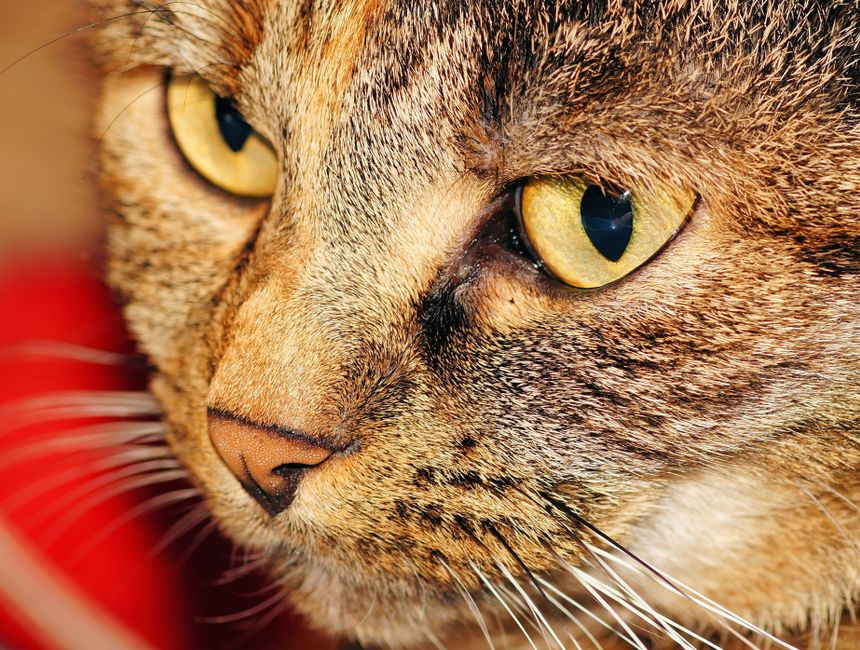
By far the most common cause of mild, intermittent sneezing in healthy adult cats. Irritants include dust, perfume, cigarette smoke, cleaning products, scented candles, litter dust (especially with clay-based litters), and seasonal pollens.
How to recognize:
- Sneezing is occasional, not constant.
- No other symptoms (clear nose, normal energy, eating fine, no fever).
- Sneezing often happens after specific triggers: just after using a spray, near a cleaning product, when the litter box is freshly changed.
- The cat is otherwise behaving normally.
What to do:
- Identify and reduce exposure. Switch to unscented litter if litter dust is suspected. Avoid cleaning products in the cat's vicinity. Cut back on candles or air fresheners.
- Improve air quality with HEPA filtration if seasonal allergies are likely.
- No vet visit needed for occasional irritant-driven sneezing in an otherwise healthy cat.
2. Upper respiratory infection (URI)

The cat-equivalent of a head cold, usually viral (feline herpesvirus or feline calicivirus are the most common culprits) and sometimes bacterial. Very common, particularly in cats who came from shelters, multi-cat environments, or were recently exposed to other cats.
How to recognize:
- Sneezing is more frequent and may include nasal discharge.
- Discharge starts clear and may turn yellow or green over a few days.
- Watery or red eyes, sometimes with discharge.
- Lethargy, decreased appetite (especially if the cat can't smell food).
- Mild fever in some cases.
- Often follows stress or exposure to other cats within the past 1 to 2 weeks.
What to do:
- Mild URIs often resolve in 7 to 10 days with supportive care: keep the cat warm, encourage eating (warm wet food smells stronger and may be more appealing), maintain hydration, and clean discharge gently with a damp cloth.
- Vet visit if: symptoms worsen after 3 to 4 days, the cat stops eating for more than 24 hours, breathing becomes labored, discharge is bloody, or eyes are heavily affected.
- Bacterial secondary infections may need antibiotics. Severe URI in young, old, or immunocompromised cats can become serious.
URI is a particularly common reason for adopted shelter cats to sneeze in their first few weeks home. The stress of relocation reactivates latent herpesvirus. This is normal and usually resolves on its own.
3. Dental disease (tooth-root abscess)
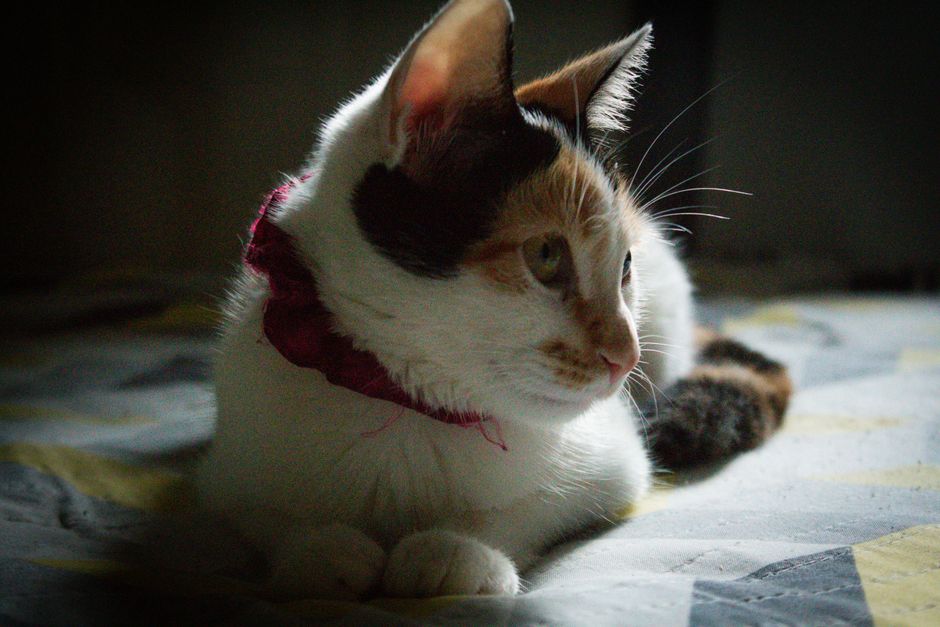
Less obvious cause, but real and often missed for months. The roots of a cat's upper canine teeth and upper premolars sit close to the nasal passages. An infected tooth root can erode through the bone and create a chronic low-grade nasal infection that produces sneezing on the affected side.
How to recognize:
- Sneezing tends to be one-sided (only the right or only the left nostril).
- May include nasal discharge from the same side, sometimes blood-tinged.
- The cat may show signs of dental discomfort: drooling, dropping food, chewing on one side, decreased appetite, reluctance to eat hard food.
- Bad breath, often noticeably worse than usual.
- The cat is older (5+ years) when the issue typically emerges.
What to do:
- Vet visit. This is not a problem that resolves at home.
- Diagnosis usually requires dental x-rays under sedation, since the affected tooth root is below the gum line.
- Treatment is extraction of the infected tooth, usually combined with cleaning the affected nasal passage and a course of antibiotics.
This is the most under-diagnosed cause of chronic cat sneezing. If your older cat has been sneezing on one side for weeks or months and the URI treatment isn't working, get the teeth checked.
4. Foreign body in the nasal passage

A grass blade, a piece of plastic, a bit of fabric, or some other small object lodged in the nasal passage. Less common in indoor cats but possible.
How to recognize:
- Sneezing is sudden, intense, and persistent.
- Often violent sneezing fits, with the cat pawing at the face or shaking the head.
- Discharge from one nostril.
- Possible nosebleed.
- Acute onset, not gradual.
What to do:
- Vet visit, ideally same-day. The cat may need sedation for the nasal passage to be examined and the foreign body removed.
- Do not try to extract anything yourself; the nasal anatomy is delicate and you can push the object deeper or cause bleeding.
5. Less common but serious: nasal tumors and chronic rhinitis
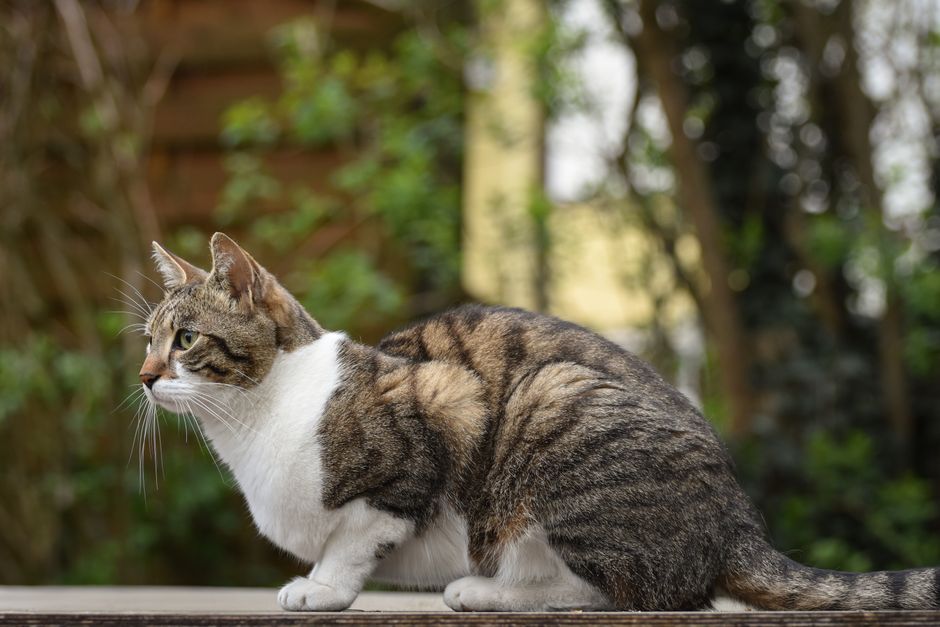
In older cats with persistent sneezing that does not respond to URI treatment or dental treatment, nasal tumors and chronic rhinitis (long-term inflammation of the nasal passages) are possibilities.
How to recognize:
- Persistent sneezing for weeks or months.
- Often progressive (gets worse over time).
- May include facial swelling or asymmetry as the condition advances.
- Nosebleeds, particularly from one side.
- Decreased appetite, weight loss.
- Older cat (typically 8+).
What to do:
- Vet visit. Diagnosis usually involves imaging (CT or MRI) and possibly biopsy.
- Treatment depends on the cause. Some nasal tumors are treatable with surgery and/or radiation. Chronic rhinitis is managed with combinations of antibiotics, anti-inflammatories, and sometimes nasal flushes.
These cases are uncommon but important to identify when present. The threshold is "sneezing that won't go away despite reasonable interventions for the other causes."
When to call the vet

Quick reference for the threshold:
Wait and watch (no vet needed yet):
- Occasional sneezing in a cat who is otherwise normal.
- Sneezing tied to identifiable irritants that you can remove.
Vet visit within a few days:
- Sneezing for more than a week.
- Mild URI symptoms that aren't resolving.
- Sneezing in a kitten or older senior cat (less reserve for illness).
Same-day vet visit:
- Sudden, violent sneezing fits.
- Nosebleed.
- Difficulty breathing.
- Sneezing combined with refusing food for 24+ hours.
- Significant lethargy alongside sneezing.
- Fever that doesn't break.
What to do this week if your cat is sneezing
If you're reading this because your cat is sneezing right now:
- Note the pattern. Is it both sides or one side? Constant or intermittent? Triggered by anything specific?
- Check for other symptoms. Discharge color, eye involvement, energy level, appetite.
- Identify possible irritants. Recently changed litter, new cleaning products, candles, smoking?
- Watch for 48 hours. Mild irritation usually resolves quickly.
- Adjust the environment if a cause is identifiable.
- See the vet if symptoms persist beyond a week, worsen, or include any of the same-day flags above.
Frequently Asked Questions
Should I worry if my cat sneezes a lot?
Frequent sneezing is worth paying attention to, but it is not automatically an emergency. Occasional sneezing in a cat that is eating, playing, and breathing normally is usually mild irritation. Sneezing becomes more concerning when it lasts more than a week, comes with nasal or eye discharge, or is paired with lethargy or loss of appetite. When in doubt, your veterinarian can help you tell the difference.
When should I take my sneezing cat to the vet?
Plan a vet visit if the sneezing lasts more than a week, if mild cold-like symptoms are not improving after a few days, or if a kitten or senior cat is affected. Seek same-day care for sudden violent sneezing fits, a nosebleed, difficulty breathing, refusing food for 24 hours or more, or significant lethargy. These are general guidelines, not a substitute for an exam.
Why does my cat keep sneezing but seems fine otherwise?
A cat that sneezes occasionally but is eating, active, and otherwise normal is most often reacting to an environmental irritant such as dust, litter dust, perfume, smoke, or a scented product. Try reducing likely triggers, for example switching to a low-dust unscented litter, and watch for a few days. If the sneezing persists beyond a week or new symptoms appear, check with your vet.
Can cats catch colds from humans?
In general, no. The viruses that cause the common cold in people are not the same ones that cause feline upper respiratory infections, which are usually feline herpesvirus or feline calicivirus. Cats catch these from other cats, not from you. If you have a sneezing cat in a multi-cat home, the more relevant concern is spread between the cats.
Is cat sneezing contagious to other cats?
It can be, when the cause is an upper respiratory infection. Feline herpesvirus and calicivirus spread between cats through close contact and shared bowls or bedding. If one cat in a multi-cat household develops cold-like sneezing, watch the others, keep stress low, and ask your vet how to limit spread. Irritant-driven and dental-related sneezing are not contagious.
Authoritative sources
The takeaway
Most cat sneezing is irritant-driven, mild, and self-resolving. A meaningful share is upper respiratory infection, which often resolves with supportive care but warrants vet attention if it doesn't improve in a few days. Less common but important causes include dental disease (especially in older cats with one-sided sneezing) and foreign bodies (acute, dramatic).
The pattern, the side affected, the duration, and the presence of other symptoms tell you which category you're in. Most cats are fine. The ones who aren't usually have specific signals that distinguish them from the routine sneezer.
If you cannot place which category you are in
One side or both, three days or three weeks, sneezing on its own or sneezing with discharge and a cat who has gone off food: those are the distinctions a vet asks about first, and they are the ones that decide whether this needs an appointment. If you have watched the pattern and still cannot place it, JustAnswer's veterinarians will work through it with you online for a few dollars. Nobody can examine a cat's nose over a chat window, so this is a triage tool rather than a diagnosis, but it is a cheap way to decide whether you are booking a visit or running a humidifier.