Why Do Cats Knead with Their Paws? The Real Reasons
The behavior cats inherit from kittenhood and what it actually communicates. Five reasons cats knead, and when it indicates affection vs. anxiety.
The rhythmic paw-pressing motion (sometimes called "making biscuits") is one of the most distinctive cat behaviors. It looks deliberate, almost meditative. Cats do it on blankets, on owners, on each other, sometimes on the air.
The popular explanation is "they think you're their mother." That's partially true and substantially incomplete. Kneading is a multi-purpose behavior with at least five distinct triggers, and the meaning shifts based on context.
This is the working framework.
1. Kittenhood imprint (the leading theory)
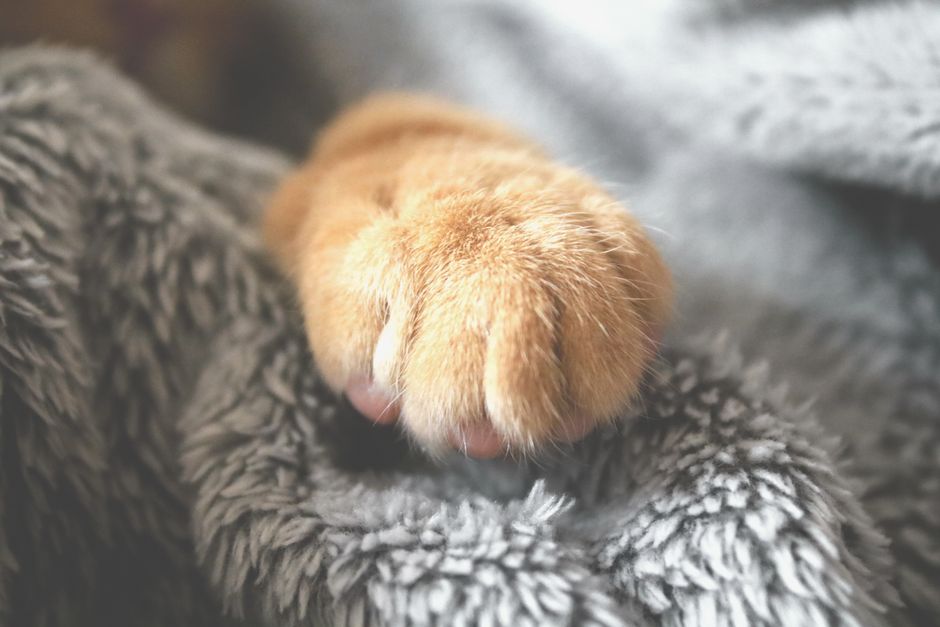
The behavior originates in nursing. Kittens knead their mother's belly while feeding to stimulate milk flow. The kneading motion presses on mammary glands, encouraging let-down. It's an instinctive behavior, present from the first days of life.
What's interesting: cats continue kneading well into adulthood, long after weaning. This is unusual for nursing-related behaviors in mammals, most of which fade once the function ends. The kneading instinct seems to remain wired into the cat's nervous system as a comfort behavior.
When an adult cat kneads on a soft surface, owner, or blanket, they're activating that ancient kittenhood circuit. The associated state is the same one nursing produced: warmth, security, and contentment. The Cornell Feline Health Center describes kneading among the normal comfort and bonding behaviors retained from kittenhood.
How to recognize this trigger:
- The cat is relaxed, often with eyes half-closed.
- Purring usually accompanies the kneading.
- May include drooling (in some cats, particularly those who were nursed only briefly or weaned early).
- The cat is on a soft surface or person they're bonded to.
This is the most common form of kneading and is entirely positive.
2. Marking territory

Cat paws contain scent glands. When a cat kneads a surface, they're depositing scent. To other cats (and to the kneading cat), this marks the surface as part of their territory.
This is why some cats knead bedding, owners, and favored spots. They're claiming ownership.
How to recognize this trigger:
- The kneading is brief and purposeful.
- Often happens after the cat moves to a new spot.
- May be paired with face-rubbing, another scent-marking behavior.
- Usually on territory the cat regards as personally theirs.
Useful to know if your cat aggressively kneads guests' belongings (jackets, bags) or specific furniture. They're labeling.
3. Comfort and stress relief
Kneading produces endorphins. The repetitive motion paired with the kittenhood-imprint association creates a self-soothing effect. Cats knead more during transitions, in unfamiliar environments, or when adjusting to changes.
How to recognize this trigger:
- More frequent kneading during stressful periods.
- May be paired with other self-soothing behaviors (excessive grooming, hiding).
- Cat seems to need the kneading rather than just enjoy it.
This is generally positive. If a cat is using kneading to manage stress, the kneading is helping. The thing to address is the underlying stressor, not the behavior.
4. Bedding preparation
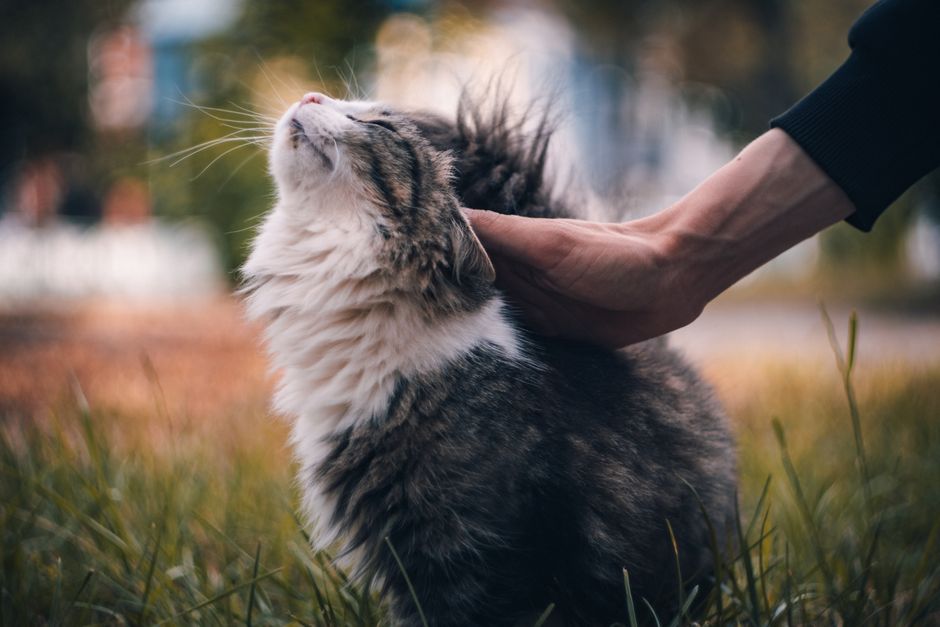
Some kneading is functional: cats prepare their resting spot by tamping down soft material. This traces back to wild ancestors who would knead grass or leaves into a comfortable bed before sleeping. It's still wired in.
How to recognize:
- Kneading happens specifically before lying down.
- Often paired with circling.
- Brief, then the cat settles.
Pre-sleep kneading is just bed-making.
5. Heat estrus (in unspayed females)
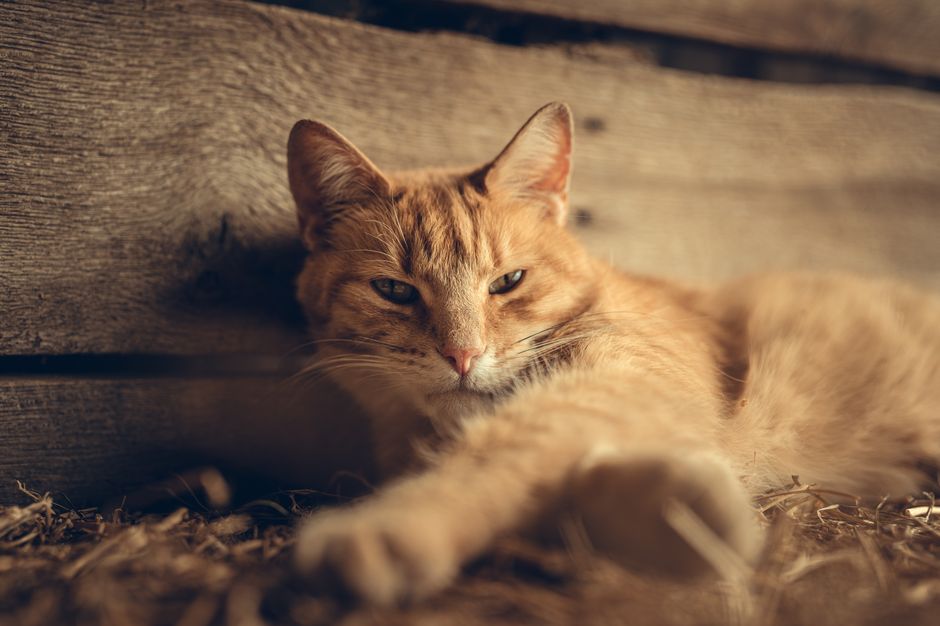
Female cats in heat sometimes show increased kneading, paired with other estrus signs (vocalization, restlessness, raised hindquarters, increased affection). This isn't a primary cause of kneading in spayed cats, but worth noting for those with intact females.
How to recognize:
- Unspayed female cat.
- Kneading paired with other estrus behaviors.
- Usually intermittent, tied to the estrus cycle.
This is one of many reasons spaying is recommended for female cats not intended for breeding.
Why some cats drool while kneading
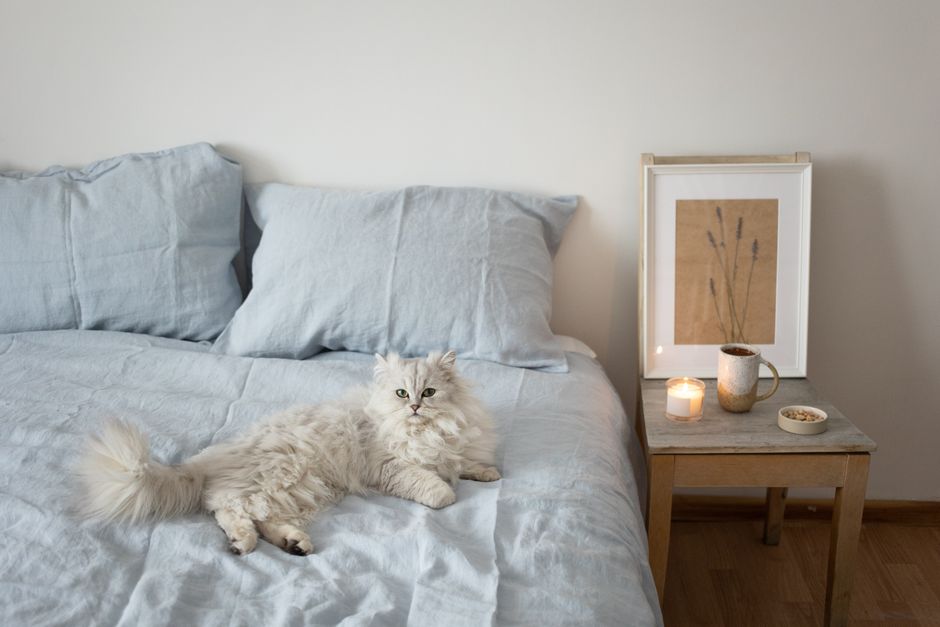
Drooling during kneading occurs in some cats and not others. It's almost always paired with the deepest, most-content version of kneading: the kittenhood-imprint state.
The leading theory: cats who drool during kneading are reactivating not just the motor pattern of nursing but the salivary response. Their nervous system fully reverts to the early-life feeding state, including saliva production. It's harmless and indicates a particularly relaxed cat.
If a cat suddenly starts drooling during kneading and didn't before, or drools at other times, that's a different signal and warrants vet attention. Dental pain or other oral issues can produce drooling that has nothing to do with contentment.
Why kneading hurts (and what to do)

Cats with claws can leave marks while kneading enthusiastically on bare skin. This isn't aggression; the cat is simply not adjusting force based on what's underneath. The same kneading on a thick blanket is harmless.
Solutions:
- Keep claws trimmed. A claw-trim every 2-4 weeks reduces both the kneading damage and the cat's ability to catch claws on fabric.
- Use a barrier. Place a folded blanket between the cat and your skin during kneading sessions.
- Don't punish or push the cat off. Kneading is a positive behavior; correcting it damages the bond.
- Redirect to a soft surface if needed. Move the cat gently to a blanket and pet them there.
Some cats also gently nibble or "nuzzle-bite" while kneading. This is normal, related to the same nursing-era circuit (kittens nuzzle the mother while kneading). Real bites should be addressed separately, but the gentle press of teeth without breaking skin is part of the same content-state behavior.
When kneading indicates a problem
Kneading itself is essentially never a problem. The exceptions are:
- Compulsive, frantic kneading that the cat can't seem to stop, paired with other anxiety signs. This warrants behavior consultation.
- Sudden changes in kneading pattern (much more or much less, in a cat that's also showing other behavior changes).
- Kneading combined with disorientation in a senior cat could be a cognitive dysfunction sign.
These are rare. Most kneading, in most cats, most of the time, is completely normal and positive.
What kneading tells you about the cat
If your cat kneads on you, particularly while purring with relaxed body language, you're being told several things:
- The cat trusts you.
- They feel safe in your presence.
- They are in a contented emotional state.
- They are reinforcing the bond between you.
This is one of the higher signals of cat affection. Cats are not socially demonstrative the way dogs are; the cat who kneads on your lap is offering meaningful relational currency.
The right response is to enjoy it. Don't force the behavior to stop unless the claws are unmanageable (and even then, address the claws, not the kneading). Don't try to teach the cat to knead on demand; the behavior is internally driven and forced expression doesn't carry the same emotional weight.
Frequently Asked Questions
Why do cats knead with their paws?
Cats knead for several reasons, the most common being a comfort behavior carried over from kittenhood, when nursing kittens knead to stimulate milk flow. Adults reactivate that circuit when they feel safe and content. Kneading also marks territory with paw scent glands, relieves stress, prepares a resting spot, and, in unspayed females, can rise during heat.
Does kneading mean my cat loves me?
Usually, yes. When a cat kneads on you while purring with relaxed, half-closed eyes, it is signaling trust, safety, and contentment. Cats are not as openly affectionate as dogs, so a cat choosing to knead in your lap is offering a genuine sign of bonding.
Why does my cat drool when kneading?
Drooling during kneading happens in some cats and is almost always tied to the deepest, most content nursing-imprint state. The nervous system reverts so fully to the early feeding pattern that it triggers saliva production. It is harmless. New or frequent drooling outside this context, however, can signal dental or oral problems and warrants a vet check.
How do I stop my cat from scratching me while kneading?
Keep the cat's claws trimmed every two to four weeks, place a folded blanket between the cat and your skin, and gently redirect to a soft surface if needed. Do not punish or push the cat away, since kneading is a positive behavior and correcting it can harm your bond.
When is kneading a sign of a problem?
Kneading itself is almost never a problem. Watch only for compulsive, frantic kneading the cat cannot stop alongside other anxiety signs, sudden large changes in kneading paired with other behavior changes, or kneading combined with disorientation in a senior cat, which can point to cognitive dysfunction. The ASPCA offers general guidance on reading feline body language and when to seek help.
The takeaway
Cats knead for five distinct reasons: kittenhood-imprint contentment (most common), territory marking, stress relief, bedding preparation, and (in unspayed females) estrus. The first one is by far the most common in pet cats.
Most kneading is positive. Drooling during kneading indicates an exceptionally relaxed cat. Bites or scratches during kneading should be managed at the claw level rather than by stopping the behavior.
The cat who kneads your lap is telling you something about how they feel about you. The right answer is to receive the message.