What Wolves Actually Eat in the Wild (And Why It Matters for Your Dog's Bowl)
A look at the real diet of wild wolves and what it tells us about feeding modern dogs. Less marketing copy, more biology.
Quick answer: Wild wolves eat mostly large prey animals such as deer, elk, and moose, which make up 70 to 90 percent of their calories. They consume the whole carcass (muscle, organs, fat, and bone) and add smaller mammals, seasonal fish, and a little plant matter. They do not eat grains or processed food. Modern dogs can digest more starch than wolves, but their core biology still favors an animal-protein foundation.
The pet food industry has spent twenty years telling us that dogs are essentially wolves and should eat like wolves. Bag art shows mountain ridgelines and silhouetted predators. The implication is that whatever is in the bag mirrors what a wild canid would naturally hunt and eat.
That marketing is half-true and half-nonsense. Dogs are descended from wolves. Their digestive physiology is broadly similar. But "wolf-inspired" kibble that is 40 percent corn does not reflect wolf biology, and even genuinely meat-heavy diets often miss what wolves actually eat in the wild.
The real wolf diet is more interesting than the marketing version, and it has practical implications for how to feed a modern dog.
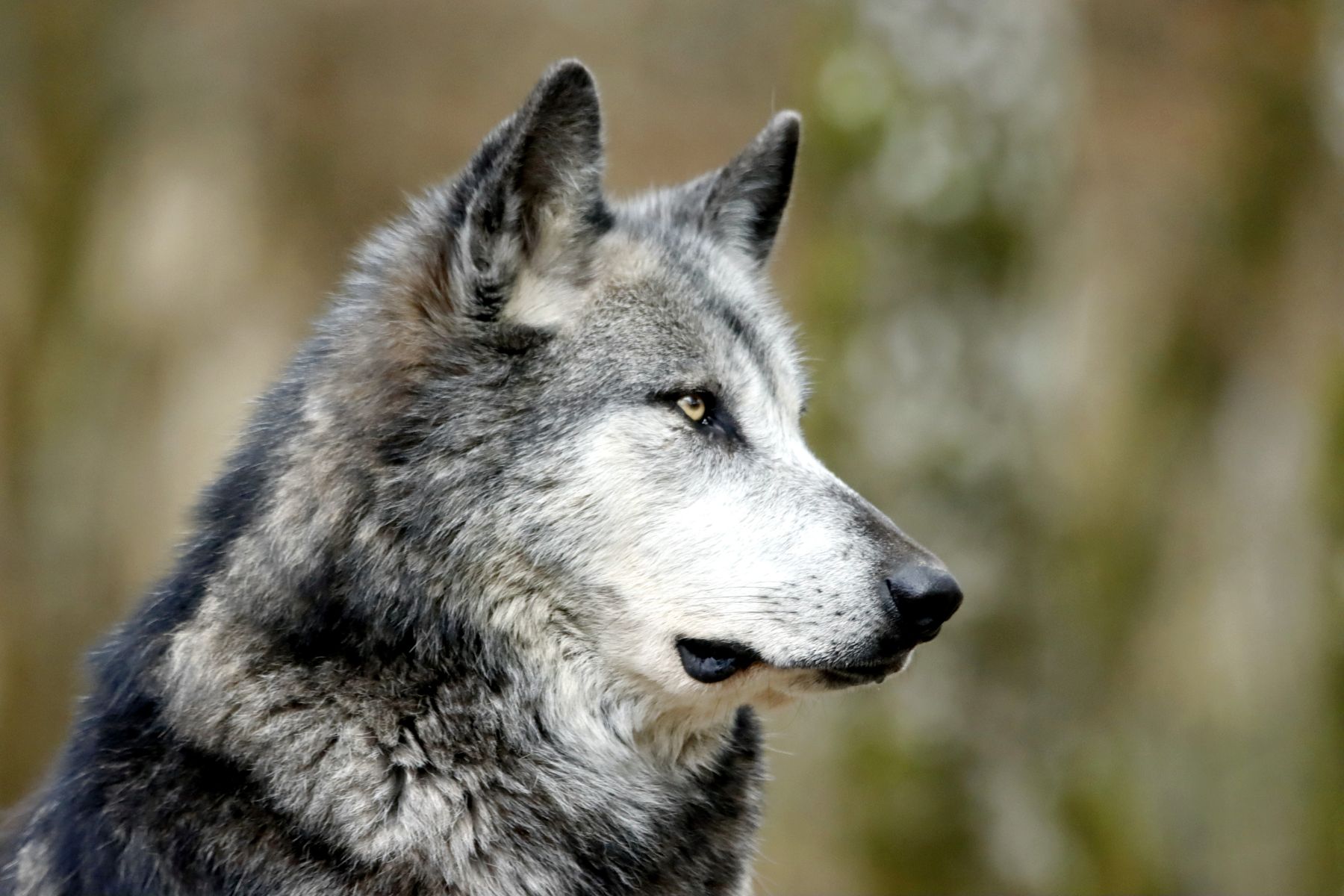
What field biologists actually find
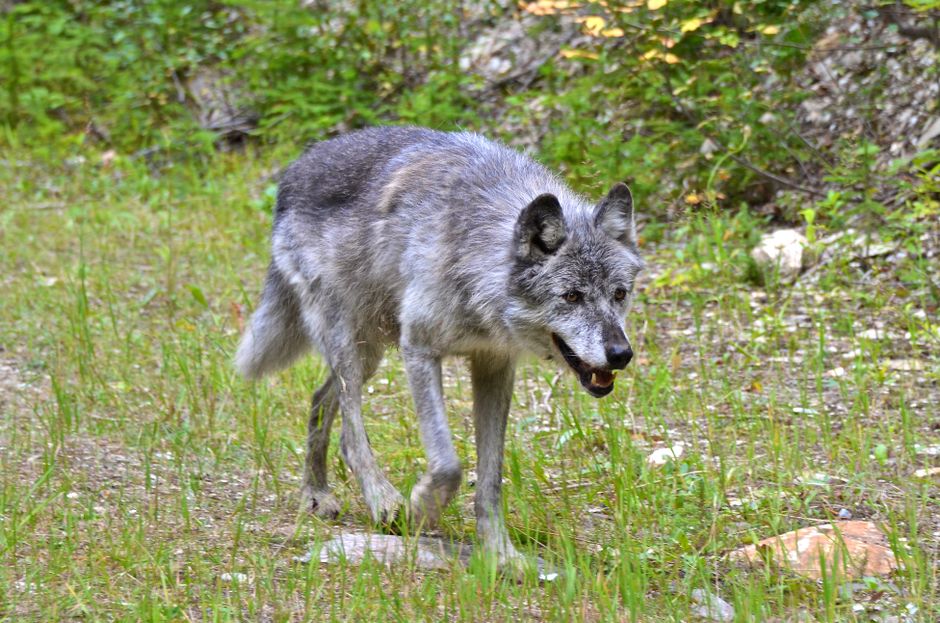
Wolves have been studied in detail in Yellowstone, Isle Royale, the Canadian Arctic, and the Scandinavian taiga. Researchers track packs, examine kill sites, and analyze stomach contents and scat. The picture that emerges is consistent across regions, with some local variation.
A typical wild wolf diet is roughly:
- Large ungulates (deer, elk, moose, caribou): 70 to 90 percent of total caloric intake in most ecosystems. This is the calorie engine of the wolf.
- Smaller mammals (beaver, hare, rodents): 5 to 15 percent, more in some areas. Beaver in particular is a high-fat, energy-dense food that wolves actively seek out in summer.
- Fish (especially salmon during spawning): in coastal Alaska and Canada, this can be a major component. In other regions, negligible.
- Birds, eggs, occasional carrion: a few percent.
- Berries, fruit, vegetation: 1 to 5 percent depending on season. Yes, wolves eat berries in late summer and fall, but it is not a meaningful caloric contribution.
What wolves do not eat in any meaningful quantity:
- Grains. There is no corn, rice, or wheat in the wolf's natural diet.
- Cooked food.
- Vegetable matter as a primary source of protein or carbohydrate.
- Anything heavily processed or extruded.
When wolves do eat plant matter, it is mostly stomach contents from prey animals (semi-digested grasses and forbs from the prey's gut) plus the seasonal berries. The "wolves naturally eat grain" claim from grain-friendly pet food companies is, biologically, not accurate.
The whole prey model
When a wolf takes down a deer, the pack does not eat just muscle meat. They eat almost the entire animal: muscle, organs (liver, heart, kidneys, spleen, lungs), connective tissue, fat deposits, blood, marrow, and a substantial portion of the bones. The hide is sometimes consumed, sometimes not.
The nutrient profile of a whole prey animal is roughly:
- Muscle meat: about 50 to 60 percent of the carcass. High-quality protein, moderate fat.
- Organ meats: about 10 to 15 percent. Extraordinarily nutrient-dense, particularly in vitamin A, iron, B vitamins, copper, and zinc.
- Bone: about 10 to 12 percent. Calcium, phosphorus, and trace minerals.
- Fat: highly variable by season, sometimes 5 to 30 percent of body weight.
- Connective tissue, skin, blood, marrow: the remainder.
This whole-prey ratio is what a wolf evolved to digest. The body is calibrated for that mix of muscle, organ, fat, and bone, and the gut microbiome reflects it.
This is also where most pet food, even premium pet food, departs from wolf biology. Most kibble is made from muscle meat and meat meal, with organs barely present, no real bone (just calcium powder), and synthetic vitamins added to compensate for what the cooking and processing destroyed.
Why this matters for your dog
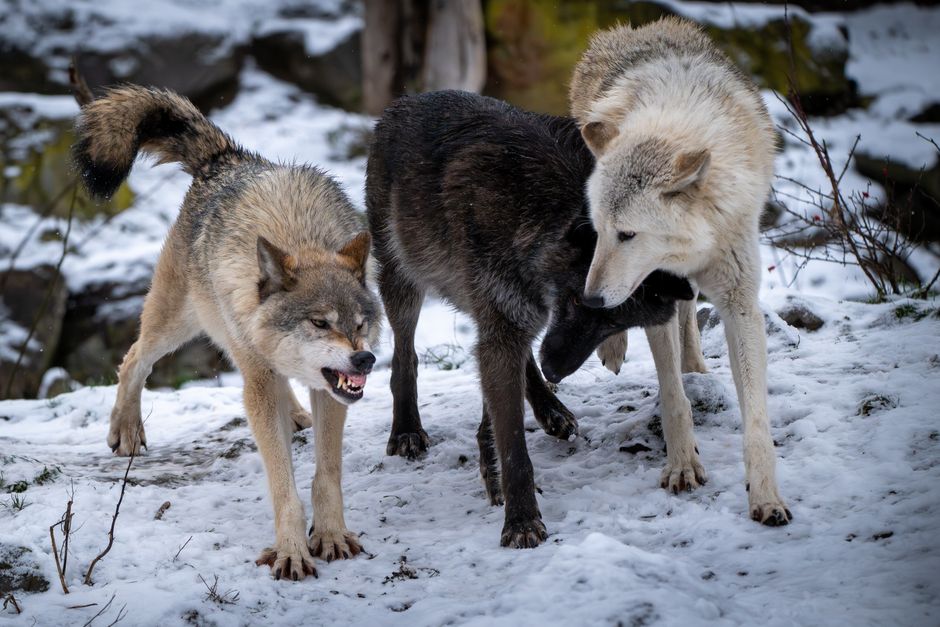
Modern dogs are not wolves. Twenty thousand years of domestication and selective breeding has changed them. They are more social, more food-motivated, and importantly, they have evolved partial tolerance for starches that wolves never developed. Studies have identified increased copies of the AMY2B gene in dogs, which produces pancreatic amylase and helps digest starch. Dogs can eat carbohydrates in a way wolves cannot. For owners weighing what this means in practice, the Cornell University College of Veterinary Medicine is a sober, non-commercial source on canine nutrition and digestive health.
But "can eat" is not "should be primarily fed." The digestive tract of a dog is still much more like a wolf's than like a human's. Short. Acidic. Built for breaking down protein and fat efficiently, with limited capacity for fermentable fiber.
What the wolf diet tells us about feeding dogs:
- Animal protein should be the foundation, not a side note. Cheap kibbles with corn or soy as the first ingredient are not a biologically appropriate base.
- Organ meats matter more than most pet food acknowledges. A diet that is purely muscle meat (chicken breast, turkey breast, lean beef) is missing the nutrient density that organs provide. Liver alone is so nutrient-dense it can only be a small percentage of a balanced diet, but it should be present.
- Fat is not the enemy. Wolves consume substantial fat, particularly in colder months and from prey species like beaver. Many low-fat "weight management" diets are pushed harder than the underlying physiology supports.
- Bone, properly delivered, is part of the natural diet. That does not mean cooked bones (which splinter) or grocery-store rawhide (which is heavily processed). Raw meaty bones, properly sized, are something wolves chew through casually and dogs benefit from.
- Grains and fillers are unnatural and were not part of canid evolution. Dogs can tolerate them. Tolerating something is not the same as thriving on it.
What this looks like as a feeding choice
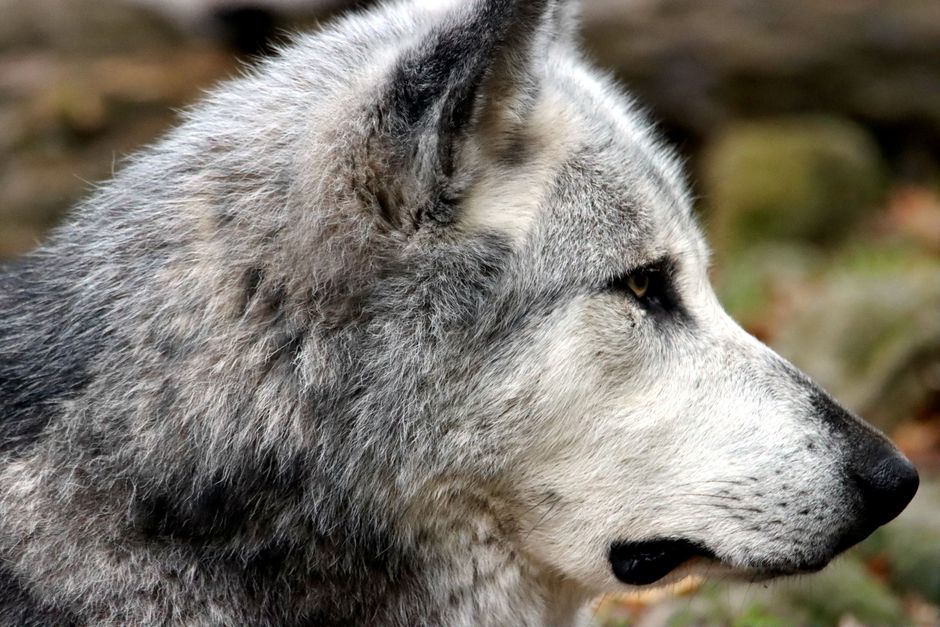
There is a spectrum of how seriously to take wolf biology when feeding a domestic dog.
At one end: feed whatever bag is on sale. Convenience-driven. Many dogs survive this fine. Most do not thrive.
Middle ground: a quality kibble built around named meats and minimal grain fillers, supplemented with fresh organ meats once or twice a week and occasional raw meaty bones for dental and recreational chewing.
Closer to the wolf end: a complete and balanced raw diet designed around the whole-prey model. Either home-prepared (which requires study to get the ratios right) or sourced from direct-to-consumer raw brands that ship complete frozen meals.
For owners who want to move toward the raw end without taking on the risk of getting the formulation wrong themselves, Raw Wild is a relevant option. The brand uses wild deer and elk meat from continental US sources, which is closer to what wolves actually evolved to eat than the muscle meat from intensive agriculture used in most premium pet foods. Wild venison and elk also have leaner, more varied fat profiles than corn-fed feedlot beef, which matters for the inflammatory load of the diet.
The point is not that every dog needs to eat raw, or that kibble is a moral failing. The point is that the marketing version of "wolf-like" food has very little to do with what wolves actually eat, and that closing the gap, even partially, has real effects on coat, dental health, weight, and energy.
A note on dietary guilt
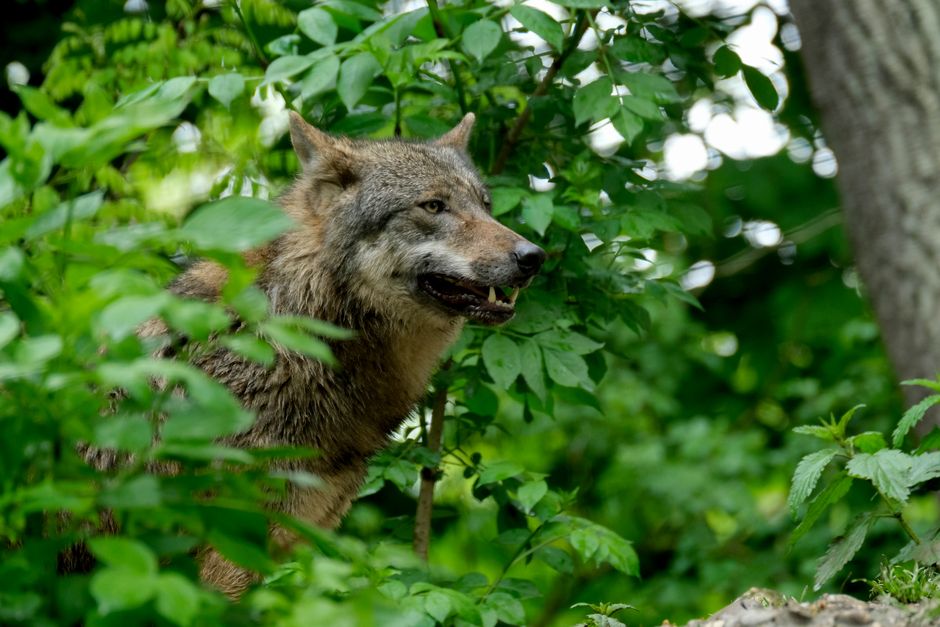
Owners who have been feeding standard kibble for years sometimes read articles like this and feel guilty. That is not the goal here.
A dog fed reasonable-quality kibble for its whole life is not a damaged dog. Domestic dogs have remarkable adaptive flexibility, and the variation between dogs is much larger than the variation between diets. A genetically robust dog on cheap kibble will often outlive a genetically fragile dog on a perfect raw diet.
The point is to make better-informed choices going forward. If your dog is healthy on what you are feeding, do not panic-switch. If you have been wondering whether the wolf imagery on your bag has any biological basis, now you have the answer: not really. And if you want to move closer to what canid biology actually expects, you have a clearer picture of what that looks like.
Frequently Asked Questions
What do wolves eat in the wild?
Wild wolves are primarily large-prey hunters. Deer, elk, moose, and caribou supply 70 to 90 percent of their calories in most ecosystems, supplemented by smaller mammals like beaver and hare, seasonal fish such as spawning salmon in coastal regions, and a small amount of berries and vegetation. They eat the whole animal, including organs and bone.
Do wolves eat grains or vegetables?
Not in any meaningful quantity. There is no corn, wheat, or rice in a wild wolf's natural diet. The small amount of plant matter wolves consume is mostly the semi-digested stomach contents of prey plus seasonal berries. Marketing claims that wolves "naturally eat grain" are not biologically accurate.
Are dogs the same as wolves nutritionally?
No, but they are close. Dogs descend from wolves and share a short, acidic digestive tract built for protein and fat. Domestication gave dogs extra copies of the AMY2B gene, so they digest starch better than wolves do. They can tolerate carbohydrates, but their biology still favors an animal-protein foundation.
Should I feed my dog a raw or wolf-style diet?
You can, but it is not mandatory for a healthy dog. A complete and balanced raw diet should be properly formulated, whether home-prepared or from a reputable supplier, because incorrect ratios can cause deficiencies. The American Veterinary Medical Association advises caution with raw feeding and recommends consulting your veterinarian first. Many dogs do well on quality kibble.
Are bones safe for dogs to eat?
Raw, properly sized meaty bones are part of the natural canid diet and support dental health, but cooked bones are dangerous because they splinter. Heavily processed grocery-store rawhide is also not the same thing. If you offer bones, choose appropriate raw ones and supervise your dog.
The takeaway
Wolves eat large prey animals, organs and all, with seasonal supplements of fish, smaller mammals, and trace plant matter. They do not eat corn. They do not eat extruded kibble. They evolved to digest the prey they hunt.
Dogs are not wolves, but they are closer to wolves than to omnivores. The further your dog's bowl drifts from the underlying biology, the more compensating the rest of the body has to do. Sometimes that compensation works. Sometimes it shows up as the chronic ear infection, the dull coat, the slow weight gain, the dental cleaning every two years. The diet does not have to be perfect. It does have to make sense.