Raw Feeding for Beginners: A Realistic Six-Week Transition Plan
A practical six-week plan to transition a dog from kibble to a complete raw diet. Includes ratios, common mistakes, and how to know if it is working.
Quick answer: Transition a kibble-fed dog to raw over six weeks, not the seven days many sources suggest. Start at about 10 percent raw in week one and step up the ratio each week (roughly 20, 35, 50, 70, then 90 percent), watching stool quality and energy at every stage and holding the ratio whenever stools soften. A complete and balanced raw diet runs roughly 80 percent muscle meat, 10 percent bone, 5 percent liver, and 5 percent other organ. Beginners are usually safer starting with a commercially prepared complete raw food before attempting homemade formulation.
Raw feeding has gone from fringe to mainstream over the last decade, with veterinary attitudes shifting from skeptical to cautiously approving for owners who do it correctly. The "correctly" is the hard part. Most failed raw feeding stories are not failures of the diet itself. They are failures of the transition or failures of formulation.
This is the practical six-week plan. It assumes you are starting from a kibble-fed adult dog and you want to end up on a complete and balanced raw diet, either home-prepared or commercially-prepared. The plan is structured to minimize digestive disruption, give you decision points along the way, and let you back out if it is not working for your dog.
Decide first: prepared raw or homemade?
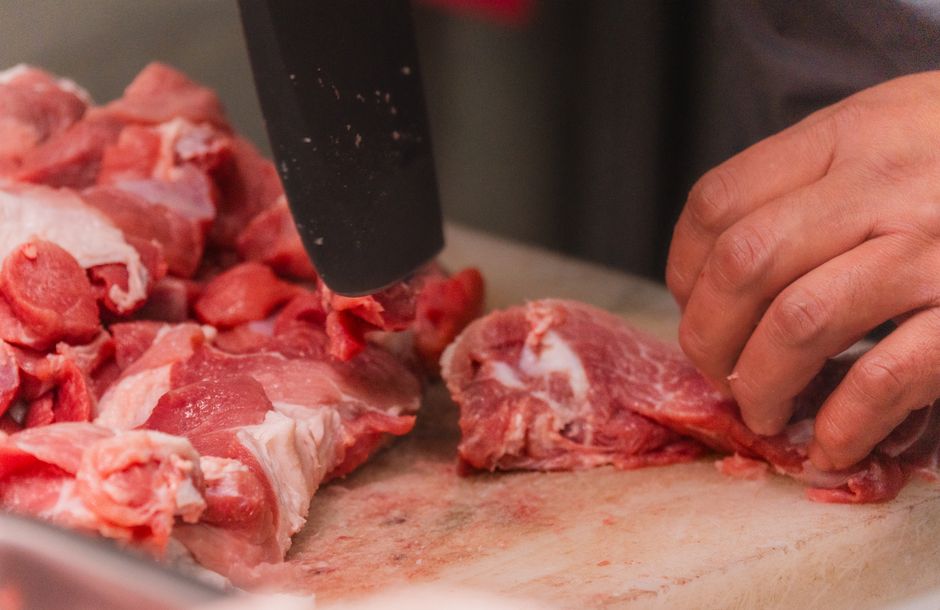
Before week one, you need to decide whether you are going to feed a commercially-prepared raw diet (frozen complete meals shipped to you) or build your own meals at home. Both are legitimate. They require different levels of work.
Commercially-prepared raw is more expensive per pound but takes the formulation question off the table. Brands like Stella & Chewy's, Primal, Steve's Real Food, We Feed Raw, and Raw Wild ship complete frozen meals where the protein, organ, bone, and supplement ratios are already calibrated. You thaw and serve. The price runs $4 to $9 per pound depending on brand and protein source.
Homemade raw is cheaper if done at scale (sourcing whole carcasses or meaty bone wholesale) but requires real study. The most common homemade formulation is the BARF model (Biologically Appropriate Raw Food) or the prey model (which more closely mimics whole-prey ratios). Both require careful attention to calcium-phosphorus ratios, organ inclusion, and trace mineral balance. Getting this wrong over months can cause real harm, particularly to growing or senior dogs.
For a beginner, prepared raw is the lower-risk start. Once you have run that diet for six months and seen how your dog responds, you can decide whether to take on the formulation work yourself.
The six-week plan
The principle is the same as any other dietary transition: gradual change at a pace the digestive system can handle. Raw is a bigger step than kibble-to-kibble, so the timeline is longer.
Week 1: Reduce kibble portion, introduce raw at 10 percent of total calories.
For a dog eating 2 cups of kibble per day, that is roughly 1.6 cups of kibble plus 1.5 to 2 ounces of raw food (depending on the food's caloric density). Feed the raw at one meal, kibble at the other, or mix them at the same meal. Watch stool quality and energy.
If stools become soft, hold the ratio for another three to five days before advancing.
Week 2: 20 percent raw, 80 percent kibble.
Continue watching stool. Most dogs at this stage start showing minor changes: smaller stools, a slight reduction in shedding, more interest in the raw portion of the meal. These are good signs.
Week 3: 35 percent raw, 65 percent kibble.
This is the first big step. You are now feeding meaningful amounts of both. Some dogs at this point start showing improvements in coat quality and breath. Some dogs have a brief detoxification period where stool consistency varies. Hold the ratio if you see anything dramatic.
Week 4: 50/50.
Halfway point. The dog should be visibly comfortable with the raw food, eating it without hesitation. If your dog is consistently leaving raw food in the bowl, the brand or protein source may not be the right fit. Try a different protein for one week before moving on.
Week 5: 70 percent raw, 30 percent kibble.
You are now mostly raw. Energy levels often pick up at this stage. Stool volume continues to decrease. Some dogs lose the "kibble belly" and start showing more muscle definition.
Week 6: 90 percent raw, 10 percent kibble.
Final ramp. The kibble at this point is more of a transition cushion than a meaningful caloric contribution.
Day 43 onward: 100 percent raw.
You are fully transitioned. The first month of full raw is when you will see the clearest changes: coat sheen, reduced shedding, smaller and firmer stools, fresher breath, more stable energy.
What to feed during the raw portion

For a complete and balanced raw diet, the rough ratios most raw feeders use are:
- 80 percent muscle meat (chicken, beef, lamb, venison, etc.)
- 10 percent bone (raw meaty bones or bone-in cuts)
- 5 percent liver (high in vitamin A and other nutrients, must be limited)
- 5 percent other organ meat (kidney, spleen, brain, etc.)
This is the "80/10/5/5" ratio that approximates whole prey. Variations exist: BARF includes vegetables and fruits in small amounts; PMR (prey model raw) sticks closer to muscle/bone/organ only.
If you are using a commercially-prepared raw food, this ratio is already built in. You buy the bag, you serve the portion. If you are home-preparing, you need to assemble these proportions either daily, weekly, or in batched freezer prep.
Portions and frequency
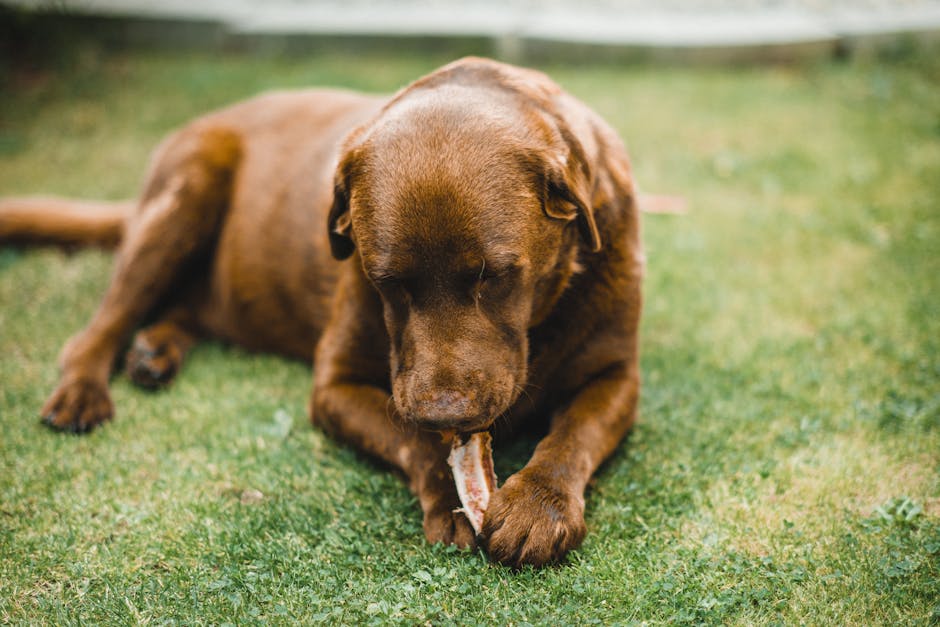
Adult dogs on a raw diet typically eat 2 to 3 percent of their body weight per day. Active dogs and those needing to gain weight may eat up to 4 percent. Sedentary or overweight dogs may eat 1.5 percent.
A 50-pound dog eating 2.5 percent of body weight: about 1.25 pounds of raw food per day, divided into one or two meals.
Most adult dogs on raw do well with two meals a day during the transition and can shift to one meal a day once fully transitioned, if you and the dog prefer that. Once-a-day raw feeding is closer to the ancestral pattern (wild canids do not eat scheduled twice-daily meals) and is well-tolerated by most healthy adults.
Puppies, seniors, and dogs with metabolic issues should stay on two or three meals a day.
What can go wrong

The most common raw feeding problems and how to handle them:
Soft stools or diarrhea during transition. Hold the current ratio, do not advance. If it persists for more than four days, drop back one ratio and re-stabilize for a week.
Vomiting. Single episode is usually not concerning. Repeated vomiting (more than twice in a week) means stop the transition and consult a vet.
Stool too dry / constipation. Usually means too much bone in the diet. Reduce the bone portion. Bone-heavy stools look like white-grey crumbles.
Refusing to eat the raw portion. Some dogs are picky about new textures or temperatures. Try slightly warming the raw food (under hot water, in the bag, not microwaved). Try a different protein. Some dogs reject one protein but eagerly accept another.
Weight loss. Increase portions. Raw food is more digestible and produces less waste, so the same caloric intake yields more usable energy, but a dog that is losing weight needs more food on the front end.
Bone splinters or choking. Only feed raw bones, never cooked. Choose appropriately-sized bones for the dog (large dogs should not be eating small bones that they could swallow whole).
Backsliding into kibble cravings. Some dogs will continue to push for kibble for weeks after transition. Hold firm. The cravings fade once the gut is fully adjusted.
Food safety

Raw feeding requires food safety hygiene similar to handling raw meat for human consumption.
- Wash hands, surfaces, and bowls thoroughly after each meal.
- Store raw food at proper temperatures (frozen, then refrigerated for 24 to 48 hours before serving).
- Discard uneaten raw food after 30 minutes at room temperature.
- Be cautious in households with immunocompromised members.
- Source from reputable suppliers with proper handling procedures.
The bacterial load arguments against raw feeding are real but often overstated. Healthy adult dogs handle bacterial loads in raw meat that would be problematic for humans. The bigger food-safety concern is for the humans handling the food, not the dogs eating it.
When to consider stopping
Not every dog thrives on raw. Reasons to reconsider after a full six-week transition:
- Persistent GI issues that do not resolve with diet adjustment.
- Failure to maintain weight despite portion increases.
- Pre-existing pancreatic conditions that the higher fat content aggravates.
- Household constraints (small freezer, immunocompromised humans, frequent travel).
- Cost that is becoming unsustainable.
If raw is not working out, transitioning back to a high-quality kibble or fresh-cooked diet is fine and not a failure. Use the same six-week ramp in reverse.
Raw feeding remains a debated topic, and it is worth reading the cautionary view alongside this plan. The FDA's guidance on the risks of raw pet food covers the bacterial-handling concerns in detail, and the American Veterinary Medical Association (AVMA) policy on raw or undercooked animal-source protein explains the professional position. Reading both helps you make an informed decision and handle the food safely.
Frequently Asked Questions
How long does it take to transition a dog to raw food?
Plan on about six weeks for a kibble-fed adult dog. Raw is a bigger change than switching between two kibbles, so the longer ramp gives the digestive system time to adapt and lets you back out if your dog does not tolerate it. The "switch in seven days" advice common online tends to cause loose stools and food aversion.
What is the correct raw feeding ratio for dogs?
The widely used ratio is 80 percent muscle meat, 10 percent bone, 5 percent liver, and 5 percent other organ meat, which approximates whole prey. Commercially prepared complete raw foods already build this in. If you home-prepare, you have to assemble these proportions yourself and watch the calcium-to-phosphorus balance carefully.
How much raw food should I feed my dog per day?
Most adult dogs eat 2 to 3 percent of their body weight in raw food daily. Active dogs or those needing to gain weight may need up to 4 percent, while sedentary or overweight dogs may do well around 1.5 percent. A 50-pound dog at 2.5 percent eats roughly 1.25 pounds per day, split into one or two meals.
Is raw feeding safe for dogs?
Healthy adult dogs generally tolerate the bacterial load in raw meat better than people do, so the larger food-safety concern is usually for the humans handling the food. That said, major veterinary and regulatory bodies, including the AVMA and FDA, caution against raw diets because of pathogen risk. Strict hygiene, reputable sourcing, and extra caution in immunocompromised households are essential.
Why does my dog have soft stools after starting raw food?
Soft stools during transition usually mean you advanced the ratio too quickly. Hold at the current ratio rather than increasing, and if it persists more than about four days, drop back one step and re-stabilize for a week. Dry, crumbly, white-grey stools point to the opposite problem, too much bone, which you fix by reducing the bone portion.
The takeaway
Raw feeding is not magic. It is a feeding pattern that more closely matches canine biology and tends to produce visible improvements in coat, dental health, weight, and energy when done correctly. The "correctly" requires patient transition, proper formulation, and basic food-safety hygiene.
Six weeks is the realistic timeline. Skip the "switch in seven days" advice you may see online. Run the ramp at the pace your dog's body actually accepts, and you will end up with a stable, healthy raw-fed dog. Rush it, and you will end up with a week of mess and a dog who associates the new food with feeling sick.