How Often Should I Clean a Litter Box? The Standards That Actually Matter
Litter box cleanliness affects health, behavior, and household odor more than most owners realize. The standards by box count, household size, and litter type.
How often should I clean a litter box? The honest answer from a former licensed insurance agent who now writes pet-care guidance.
The honest answer most owners don't follow: scoop daily, do a full change weekly, and have at least one more box than you have cats. The reality for many households is scoop-when-you-remember, change-when-it's-bad, and one box per cat (or fewer).
The gap between what owners do and what actually serves the cat creates predictable problems. Cats avoiding the box, urinary issues, household odor, and behavioral stress all trace back to litter box management.
This is the working standard with the reasoning, plus the variations that adjust the rules for specific situations.
The baseline standard

For a single-cat household using clumping clay litter:
- Scoop daily. Both urine and feces. Twice daily is better.
- Top off litter as needed to maintain about 3 inches of depth.
- Full change every 1-3 weeks. Empty the box completely, scrub it with mild soap and water (no harsh chemicals), dry, refill with fresh litter.
- Replace the box itself every 1-2 years. Plastic absorbs odor and bacteria over time.
For multi-cat households, scale up:
- Scoop after every use if possible, or at minimum twice daily.
- Full change every 1-2 weeks.
- Box count: number of cats + 1 (the standard recommendation in feline behavior literature).
Why this matters more than it seems
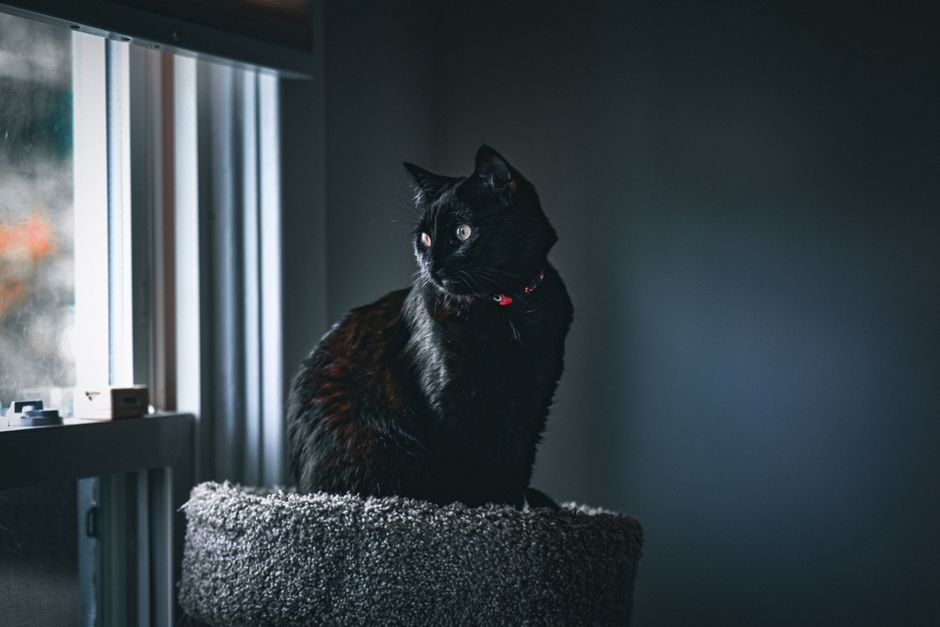
Cats are extremely fastidious about elimination. In the wild, cats bury waste both to hide their scent from predators and to avoid the area being marked as their own (which would attract competitors). Modern domestic cats retain this drive, and dirty litter boxes trigger meaningful avoidance behavior.
The behavioral consequences of inadequate litter management:
- Eliminating outside the box. The most common reason cats start peeing on rugs, beds, or laundry is dirty litter conditions. The cat is communicating that the box is not acceptable.
- Holding urine longer than they should. This contributes to urinary tract issues, including potentially dangerous urinary blockages in male cats.
- Stress. A cat who is constantly avoiding the box or competing for an inadequate box count is in low-grade chronic stress.
- Inter-cat conflict. In multi-cat households, inadequate boxes drive territorial disputes.
The health consequences track with the behavioral ones. Urinary issues are among the leading reasons cats end up at emergency vet visits, and litter box management is one of the controllable contributors. The ASPCA has a thorough breakdown of why cats reject boxes and how to troubleshoot it, and the Cornell Feline Health Center covers the medical side of house-soiling worth ruling out first.
By litter type
Different litters require different cleaning rhythms.
Clumping clay (most common):
- Scoop daily.
- Full change every 1-3 weeks.
- Adds back easily as litter is removed.
- Most economical per pound but heavy and dusty.
Crystal/silica:
- Scoop solid waste daily.
- Urine absorbs without clumping; mix occasionally to redistribute.
- Full change every 3-4 weeks (longer than clay).
- More expensive but lasts longer per change.
Pine, wood, or paper pellets:
- Scoop solid waste daily.
- Stir to break down sawdust as it forms.
- Full change every 1-2 weeks.
- Lower dust, more environmentally friendly. Some cats reject the texture.
Tofu or soy-based:
- Scoop daily.
- Full change every 1-2 weeks.
- Flushable in some formulations.
Walnut shell:
- Scoop daily.
- Full change every 2-3 weeks.
- Strong odor control, but can be tracked.
Self-cleaning litter boxes:
- Mechanical scoopers handle the daily work but the litter substrate still needs full changes on a similar schedule.
- Boxes themselves need cleaning every 2-4 weeks.
- Some cats reject self-cleaning boxes due to noise.
By household size
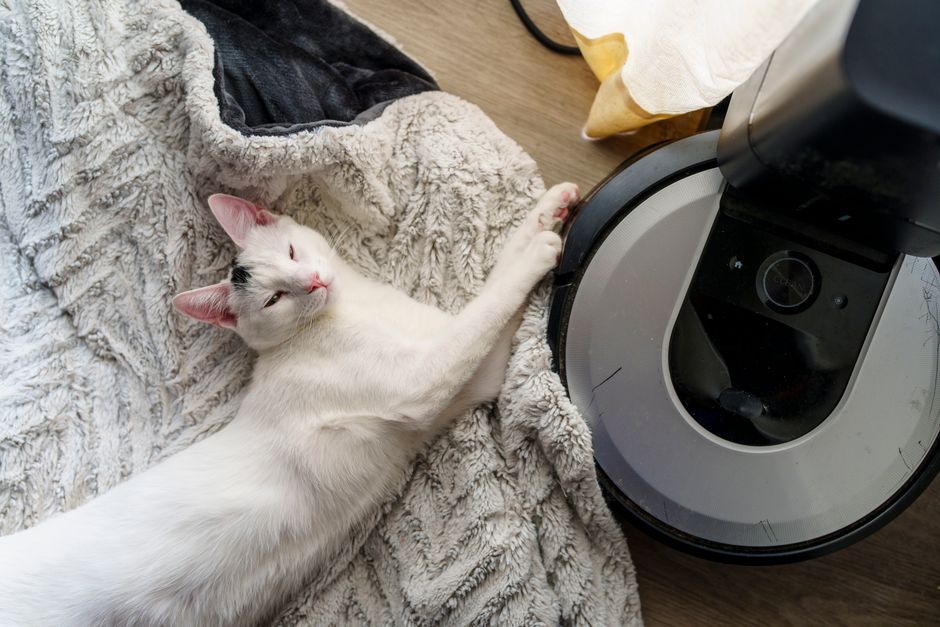
The "number of cats + 1" rule is the most-violated piece of cat management advice. Owners with multiple cats often think one box per cat is sufficient. It usually isn't.
The reasoning: cats are territorial about elimination spaces. Sharing a single box, especially in multi-cat households where there's any social tension, creates avoidance and conflict. The extra box provides options and reduces resource competition.
For a typical household:
- 1 cat: 2 boxes (most owners only have 1; 2 is genuinely better)
- 2 cats: 3 boxes
- 3 cats: 4 boxes
- 4+ cats: matching count + 1 still applies
The boxes should be in different locations, not all in the same spot. A cat avoiding one box should have another available in a different part of the house.
By box location
Where the box is matters as much as how often it's cleaned.
Good locations:
- Quiet, low-traffic areas.
- Away from food and water bowls.
- Easily accessible (not blocked behind doors that might close).
- One per floor in multi-floor homes.
- Not next to noisy appliances (washing machine, furnace).
Problematic locations:
- High-traffic hallways where the cat feels exposed.
- Damp basements that smell weird and may collect stagnant air.
- Right next to the food (cats won't eliminate near where they eat).
- Behind doors that frequently close, blocking access.
- In rooms where the cat experiences stress (where children's loud play happens, near a barking dog, etc.).
By cat age and condition

Standard cleaning works for most cats. Some situations require more attention.
Senior cats:
- May need lower-sided boxes if mobility is reduced.
- Often urinate more frequently due to kidney function changes; may need more frequent scooping.
- Watch for changes in elimination patterns; senior cats are at higher risk for diabetes, kidney disease, and hyperthyroidism, all of which affect litter box behavior.
Cats with urinary issues:
- Pristine cleanliness is more important. Daily full change is sometimes appropriate.
- Avoid scented litters, which can irritate urinary tract issues.
- Wider, shallower boxes are easier to access during flare-ups.
Kittens:
- Smaller boxes appropriate for size.
- Non-clumping litter for very young kittens (some can ingest clumping litter, which is harmful).
- Daily scooping helps establish good habits.
Long-haired cats:
- May track more litter and have hygiene issues around the rear.
- Slightly more frequent box cleaning helps.
- Trim hair around the rear if matting becomes an issue.
The deep clean
Once a month, regardless of the regular maintenance schedule, do a deep clean:
- Empty the box completely. Discard all litter.
- Wash with mild dish soap and warm water. Avoid bleach (residual smell can repel cats), avoid pine cleaners (toxic to cats), avoid heavy fragrances.
- Rinse thoroughly. Twice if needed.
- Dry completely before refilling.
- Add fresh litter to about 3 inches depth.
Some owners do this weekly. Once a month is the minimum for most situations.
When the cat starts avoiding the box

If your cat begins eliminating outside the box, the troubleshooting hierarchy:
- Check medical first. Sudden box avoidance, especially in male cats, can indicate urinary issues. A vet visit is the first step, not the last.
- Increase cleaning frequency. Daily scoop minimum, full change weekly.
- Add another box. Different location.
- Change the litter type. Cats prefer different textures; an unscented, fine-grained litter is the safest experiment.
- Examine the location. Is something stressing the cat in the box's current spot?
- Address inter-cat dynamics if multi-cat household. One cat may be guarding the box and preventing access.
- Behavior consult if the issue persists despite environmental changes.
The first three of these solve most cases.
Common mistakes
A few patterns we see often enough to flag:
Heavy use of scented litter. Cats have substantially more sensitive olfactory systems than humans. The "fresh scent" that owners think is masking odor is often overwhelming and aversive to the cat. Unscented is almost always better.
Sharing one box among multiple cats. Routinely produces problems even when it seems "fine for now."
Liners and odor-eliminating sprays. Often more useful for owner perception than for cat preference. Some cats actively dislike box liners.
Putting the box in the basement only. A cat who is on the main floor and needs to eliminate has to navigate stairs. Senior cats and cats with mobility issues often eliminate elsewhere because the trip is too far.
Ignoring odor. If you can smell the box from across the room, the cat smelled it ten minutes ago. Address it.
Frequently Asked Questions
How often should I scoop a litter box?
Scoop both urine and feces at least once a day, and twice daily is better, especially in multi-cat households where scooping after every use is ideal. Cats are highly fastidious about elimination, and daily scooping is the single most important habit for preventing box avoidance and accidents elsewhere in the home.
How often should I completely change the litter?
For a single-cat household using clumping clay litter, do a full change every 1 to 3 weeks: empty the box, scrub it with mild soap and water, dry it, and refill. Multi-cat households should change every 1 to 2 weeks. Crystal and silica litters can stretch to 3 to 4 weeks, while pine and pellet litters typically need changing every 1 to 2 weeks.
How many litter boxes do I need per cat?
The standard from feline behavior literature is one box per cat plus one extra, so two cats need three boxes and three cats need four. Even single-cat households benefit from two boxes. The boxes should be in different locations rather than lined up together, so a cat avoiding one always has another option.
Why is my cat peeing outside the litter box?
The most common cause is a dirty or unacceptable box, but sudden avoidance can also signal a urinary problem, so a vet visit should come first, especially for male cats. After ruling out medical issues, increase cleaning frequency, add a box in a new location, and try an unscented fine-grained litter. Those steps resolve most cases.
Is scented litter bad for cats?
Scented litter is usually counterproductive. Cats have far more sensitive olfactory systems than humans, so the fresh scent that masks odor for owners is often overwhelming and aversive to the cat, and it can irritate cats with urinary issues. Unscented litter is almost always the safer default.
The takeaway
Daily scoop. Weekly to triweekly full change. One more box than cats. Quiet locations. Unscented litter unless there's a specific reason otherwise. Monthly deep clean.
These standards prevent most behavioral and health problems associated with elimination. They take maybe ten minutes a day in a typical household. Cats notice the difference immediately.
The cat who eliminates outside the box is usually telling you something specific about the conditions. Listen to it.
If the box is clean and the cat still goes elsewhere
A cat who avoids a clean, well-placed box is not making a point. Urinary tract infections, crystals, and arthritis that makes the box lip painful to step over all show up as "peeing on the bath mat," and a male cat who strains without producing urine is an emergency, not a cleaning problem.
For the non-emergency version, Dutch lets you put the cat in front of a licensed vet over video the same day, get a urinary or pain prescription shipped in most states, and message the same vet as the plan gets adjusted, for $132 a year. If the cat is straining and producing nothing, skip the video and go in tonight.