How Long Do Indoor Cats Live? The Real Answer Plus Lifespan Boosters
Indoor cats average 12-18 years, with breed and care creating wide variation. The factors that actually move the needle on cat lifespan.
How long do indoor cats live? The honest answer from a former licensed insurance agent who now writes pet-care guidance.
The straightforward answer: indoor cats in the United States average 12 to 18 years, with the median sitting around 15. That is roughly double the average lifespan of outdoor cats, who face the predictable risks (cars, predators, infectious disease, fights, environmental toxins) that the indoor environment removes.
But "12 to 18" hides a lot of variation. The 18-year-old cat and the 12-year-old cat made very different journeys, and the difference is substantially controllable. Here is what actually moves a cat's lifespan, ranked by impact.
The baseline numbers
For context, here are the ranges that veterinary epidemiology data consistently produces:
- Outdoor cats: average 2 to 5 years. Many die in their first two years from the risks above.
- Indoor/outdoor cats: average 7 to 12 years. Better than purely outdoor but still exposed to the major risks.
- Indoor-only cats: average 12 to 18 years. The vast majority of cats in this category live past 12.
- Long-lived indoor cats: 18 to 22 years are achievable for healthy cats with good care. Verifiable cases of cats reaching 25+ exist but are rare.
The Guinness world record for oldest cat sits in the high 30s, but that is an extreme outlier and not a useful planning number.
The genetic ceiling for a cat is roughly 25 years. The realistic ceiling for owners doing things well is 18 to 22. The realistic floor for owners doing things badly, on indoor cats, is around 10 to 12 (cancer, kidney disease, or diabetes from preventable causes catching the cat earlier than necessary).
Breed and the genetic component

Some breeds have meaningfully different baseline lifespans. The biggest deviations:
Longer-lived breeds (often 16+ year averages):
- Burmese
- Siamese
- Russian Blue
- American Shorthair
- Domestic Shorthair (mixed breed) often outlives purebreds
Shorter-lived breeds (often 10-13 year averages):
- Maine Coon (genetic predisposition to hypertrophic cardiomyopathy)
- Ragdoll (similar HCM concerns)
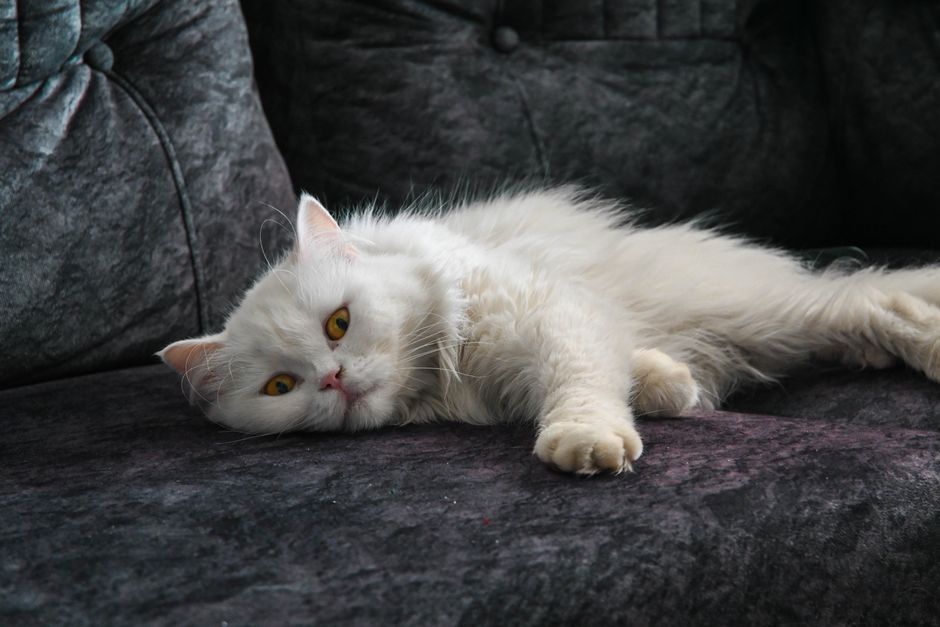
- Persian (brachycephalic; respiratory and dental issues, also kidney disease)
- Sphynx (cardiac issues, skin conditions)
The takeaway: mixed-breed domestic cats are usually the longest-lived as a category. Purebreds carry breed-specific risks that can shave years off the average. None of this is destiny; a well-cared-for Maine Coon can outlive a poorly-cared-for domestic shorthair. But the genetic baseline is real.
What actually extends lifespan
The factors that move the needle most, in rough order of impact:
1. Indoor lifestyle
This is the single biggest factor and has already been counted in the 12-18 year baseline. The difference between indoor and outdoor is the difference between 5 years and 15 years on average. If you take nothing else from this article, take this one.
The argument against keeping cats indoors (boredom, behavioral issues, "natural" living) has merit but is dwarfed by the lifespan implications. Indoor cats with proper enrichment do not show net welfare loss; outdoor cats face an order-of-magnitude higher mortality rate.
2. Weight management
Obesity is the second biggest preventable killer of indoor cats. About 60 percent of US indoor cats are overweight or obese, and the consequences cascade: diabetes, joint disease, urinary tract issues, and a measurably shortened lifespan. Studies estimate obesity reduces feline lifespan by 2 to 5 years.
The intervention is not exotic: portion control, multiple small meals, wet food (more satiating per calorie), and active play. Indoor cats need less food than the bag suggests, period. The American Animal Hospital Association publishes owner-facing weight and nutrition guidance if you want a structured starting point for portioning.
3. Quality diet
The right food doesn't have to be premium boutique brand, but it does have to be a complete and balanced feline-specific formulation. Cats are obligate carnivores. They need high-protein, moderate-fat, low-carbohydrate diets. They need taurine. They need adequate water intake (which means wet food beats dry food for most cats).
The wrong food creates problems that compound: kidney issues from chronic low water intake (more on this below), urinary crystals from inappropriate mineral content, obesity from carbohydrate-heavy kibble, and various nutritional deficiencies from cheap formulations.
4. Hydration
Most indoor cats are chronically mildly dehydrated. The species evolved as desert hunters who get most of their water from prey. Modern dry-fed cats are eating 6 to 10 percent moisture food and not drinking enough to compensate. Over years, this contributes to kidney disease, the leading cause of death in older cats.
The fix is straightforward: incorporate wet food into the diet (even one wet meal a day helps), provide multiple water bowls in different locations, consider a pet water fountain, and watch for signs of dehydration in older cats. The Cornell Feline Health Center has detailed owner guidance on chronic kidney disease, which makes the connection between lifelong hydration and senior kidney health concrete.
5. Veterinary care
Annual exams for adults, twice-yearly for seniors. Cats hide illness extremely well; by the time symptoms are obvious to owners, conditions are often advanced. Regular bloodwork and screening catches issues earlier when they're treatable.
Vaccines for indoor cats: still important, particularly rabies (legally required in most jurisdictions), FVRCP (feline distemper), and possibly FeLV depending on exposure risk. Talk to the vet about which are appropriate for your cat's specific situation.
6. Dental care
Periodontal disease is widespread in older cats and contributes to systemic problems including heart disease and kidney disease. Annual dental exams, professional cleanings as needed, and (for cats who tolerate it) home brushing all extend healthy lifespan.
7. Mental stimulation and exercise
Indoor cats need cognitive engagement. Without it, they develop behavioral problems and physical decline. Puzzle feeders, daily play sessions, vertical territory, and environmental novelty all matter. Cats whose owners spend 10-15 minutes a day in active play live longer than cats who don't.
This sometimes surprises owners. Yes, there is a real lifespan signal here, not just a welfare one.
What shortens lifespan
The flip side of the same factors:
- Free-feeding dry food (drives obesity and chronic dehydration).
- Outdoor access, even occasional (drops average lifespan substantially).
- Skipped vet visits (catches treatable conditions late).
- Untreated dental disease (compounds into systemic problems).
- Cheap, low-quality diet (especially diets too high in carbohydrate or made with low-quality protein).
- Chronic stress (multi-cat household conflict, constant noise, frequent disruption).
- Smoking in the home (yes, secondhand smoke shortens cat lifespan measurably).
- Untreated parasites (even indoor cats get fleas and intestinal parasites occasionally).
Each of these is preventable.
Senior-cat lifespan considerations
For cats already in their senior years (10+), the leading lifespan-shortening conditions are:
- Chronic kidney disease (CKD): the number-one killer. Early detection through twice-yearly bloodwork. Manageable for years if caught early.
- Hyperthyroidism: very common in cats over 10. Treatable with medication, dietary therapy, or radioactive iodine.
- Diabetes: often weight-related. Manageable with insulin and diet, sometimes reversible with weight loss.
- Cancer: harder to prevent but earlier detection helps.
- Cardiomyopathy: more genetically driven; some breeds at higher risk.
Senior cats benefit from the same things adult cats do, but the routine intensifies: more frequent vet visits, more attention to subtle changes, modifications to diet and environment as mobility decreases.
Realistic expectations
For an indoor cat from a healthy genetic background, here is what's realistic with good care:
- Year 1-10: most cats are healthy with minimal medical issues. Annual vet visits, maintain weight, manage routine.
- Year 10-13: senior phase begins. Higher risk of chronic conditions. Monitor more carefully.
- Year 13-16: most chronic conditions emerge or become apparent. Active management of any diagnosed issues.
- Year 16-18: late senior. Quality-of-life management increasingly central.
- Year 18-22: extended longevity. Some cats reach this with good care and good genetics.
A cat reaching 18 in good health is the result of genetic luck plus consistent care over nearly two decades. There is no shortcut, but the practices above stack the deck.
Frequently Asked Questions
How long do indoor cats live on average?
Indoor-only cats in the United States average 12 to 18 years, with the median around 15. That is roughly double the lifespan of outdoor cats, who average just 2 to 5 years because of cars, predators, fights, and infectious disease. Most indoor cats live comfortably past 12.
What is the oldest age an indoor cat can reach?
Healthy indoor cats with good genetics and consistent care commonly reach 18 to 22 years. The genetic ceiling for a cat is roughly 25, and verified cases beyond that exist but are rare. A cat reaching 20 is a genuine achievement that reflects nearly two decades of good weight, diet, hydration, and veterinary care.
Do indoor cats live longer than outdoor cats?
Yes, and the gap is dramatic. Indoor cats average 12 to 18 years versus 2 to 5 years for outdoor cats, because the indoor environment removes the predictable killers like traffic, predators, and disease transmission. Keeping a cat indoors is the single largest factor in feline longevity.
What is the most common cause of death in older cats?
Chronic kidney disease is the leading cause of death in senior cats, often tied to years of low water intake from a dry-food-only diet. Hyperthyroidism, diabetes, and cancer are also common in cats over 10. Twice-yearly bloodwork for seniors catches most of these early, when they are still manageable for years.
Which cat breeds live the longest?
Mixed-breed domestic shorthairs are usually the longest-lived as a category, often outliving purebreds. Among purebreds, Burmese, Siamese, Russian Blue, and American Shorthair frequently average 16 or more years. Breeds with genetic heart predispositions such as Maine Coon, Ragdoll, and Persian tend toward shorter 10 to 13 year averages.
The takeaway
Indoor cats average 12 to 18 years, with breed, weight, diet, hydration, veterinary care, and mental enrichment all moving the number meaningfully. The single biggest factor is keeping the cat indoors. The next biggest is weight management.
A cat at 16 is normal. A cat at 18 is realistic with good care. A cat at 20 is a real achievement and entirely possible. The factors are not exotic; they are the same things vets have been recommending for decades. The owners who do them consistently end up with cats who outlive the average.
The senior-cat check-ins that move the number
Kidney disease, hyperthyroidism, and arthritis are the three conditions that quietly shorten the 12-to-18-year range, and all three are managed rather than cured, which means regular adjustment of medication and diet over years. Owners who keep up with those adjustments get the 18-year cats; owners who skip check-ins because each one is a $90 visit and a miserable car ride get the 13-year cats.
Dutch exists for that maintenance layer: unlimited video visits with a vet licensed in your state, prescription refills shipped in most states, and messaging in between, for $132 a year across up to five pets. It does not replace the bloodwork your local vet runs; it replaces the clinic visits in between.