The Honest Cost of Owning a Large Breed Dog: A Year-by-Year Budget for a 10-Year Life
What it actually costs to own a large breed dog over their lifetime. Year-by-year budget with food, vet care, and the catastrophic costs few plan for.
Quick answer: Owning a large breed dog (50 to 90 pounds) realistically costs $50,000 to $75,000 over a 10-year lifespan in the average case, or roughly $5,000 to $7,500 per year. The lower end runs $35,000 to $50,000 with a healthy dog and cheaper food; the higher end reaches $75,000 to $120,000 with premium food and multiple major medical events. Plan for at least one catastrophic event over $5,000, which hits roughly 60 percent of large dogs across their life.
The pet store estimate of dog ownership cost is wildly low. The internet articles claiming "dogs cost $1,500 a year" are calibrated for medium dogs in good health on cheap food with no major medical events. None of those assumptions hold for a large breed dog.
What follows is the honest budget for owning a large breed dog (50 to 90 pounds adult weight) across a 10-year lifespan. We will break it down year by year, with the costs that come up reliably and the catastrophic costs that come up in roughly half of large-breed lifespans.
| Cost line item | Typical annual cost (large breed, adult years) | 10-year running total |
|---|---|---|
| Food (mid-tier kibble) | $700 - $1,500 | $10,000 - $14,000 |
| Routine vet care (exam, vaccines, dental) | $300 - $700 | $5,000 - $8,000 |
| Parasite prevention (heartworm, flea, tick) | $150 - $400 | $2,000 - $4,000 |
| Pet insurance premium | $400 - $800 young, up to $1,400 senior | $7,000 - $12,000 |
| Supplies, grooming, training | $200 - $700 | $4,000 - $9,000 |
| Major medical events (lifetime risk averaged in) | $500 - $1,500 | $5,000 - $20,000+ |
| All-in (average case) | $5,000 - $7,500 | $50,000 - $75,000 |
*Large-breed dogs sit at the upper end of every published cost range because food scales with body weight and the big-ticket surgeries are more common. Sources: Synchrony 2025 Pet Lifetime of Care Study (a dog's life runs $22,125 to $60,602), NAPHIA 2025 State of the Industry ($749 average annual dog accident-and-illness premium), ASPCA Cost of Care, and the AVMA. We give ranges where costs vary by region and breed; confirm current pricing before you budget.
The categories
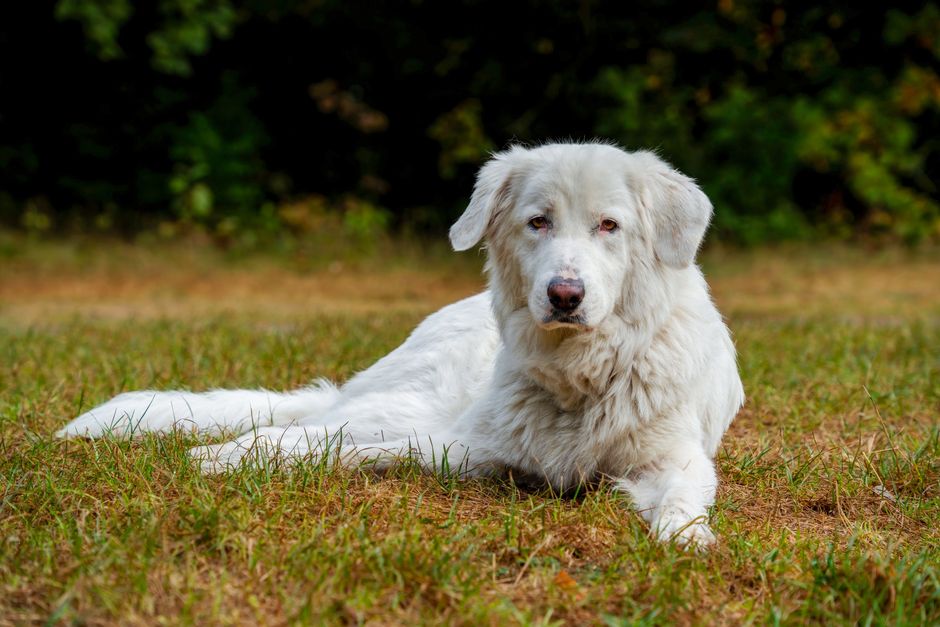
Large dog costs fall into seven major categories:
- Food. Larger dogs eat more, so this scales meaningfully with size.
- Routine veterinary care. Annual exams, vaccines, dental, parasite prevention.
- Major medical events. Surgeries, chronic disease management, emergency care.
- Supplies. Beds, collars, leashes, crates, toys, all sized for a large dog.
- Grooming. Some breeds require regular professional grooming; others can be DIY.
- Training. Particularly for the first two years.
- Insurance or savings. The financial buffer for major medical events.
Each scales differently. Food and major medical scale with size. Supplies scale somewhat with size. Routine vet care barely scales at all (the same vaccines cost the same regardless of dog size).
Year 1: Puppy year ($3,500 to $7,000)
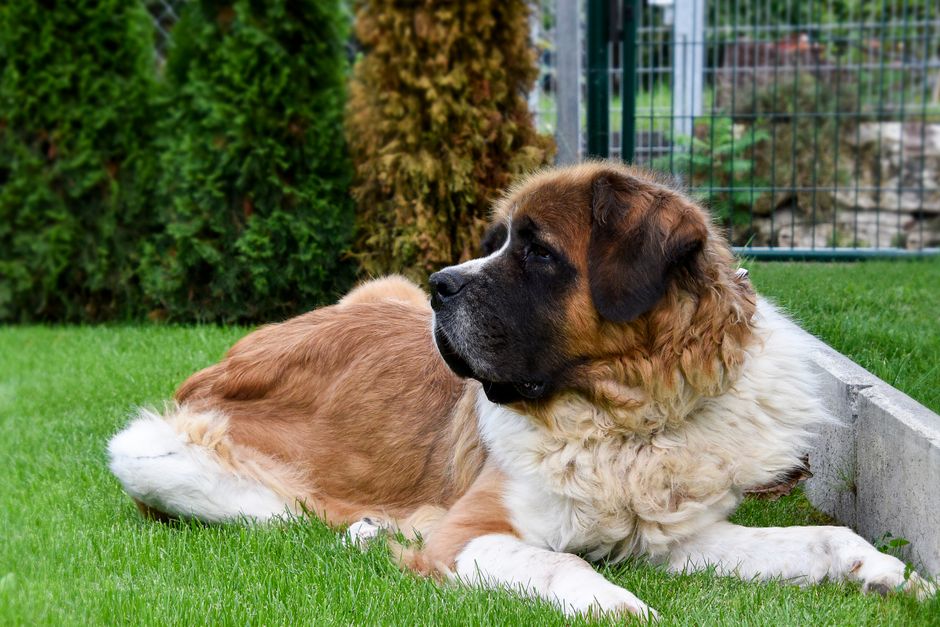
The most expensive year of ownership. Almost everything is a one-time setup cost.
Food: $700 to $1,200. Puppy food, transitioning to adult by month 12 to 14. Large-breed puppy formulas run $60 to $100 per month for a growing dog.
Vet care: $800 to $1,500. Initial vaccinations, multiple boosters, parasite prevention, spay or neuter, microchip. The first year of vet care is densest because of the puppy series.
Supplies: $500 to $1,200. Crate (large, sized for adult), beds (multiple, often replaced after first chewer phase), leashes and collars, toys (chewed and replaced), bowls, baby gates, possibly outdoor housing, cleaning supplies for accidents.
Training: $200 to $1,500. Puppy classes are highly recommended for large breeds. Group classes run $150 to $400 for a 6-week course. Private training runs $80 to $200 per session. Many owners do both.
Insurance or first-year savings: $400 to $800. Insurance premiums for a young, healthy dog are at the low end. If self-insuring, year one is when you start the savings habit.
Grooming: $0 to $400. Depends on breed. A short-coat Labrador needs minimal grooming. A long-coat Golden may need professional grooming every 6 to 8 weeks at $80 to $150 per visit.
Total year 1: $3,500 to $7,000.
The wide range reflects mostly food choice and training intensity. The bottom of the range is achievable but assumes cheaper food, minimal professional training, and basic supplies. The top assumes premium food, comprehensive training, and quality supplies.
Years 2 through 5: Stable adult years ($2,500 to $4,500 per year)
After the puppy year, costs stabilize. The dog is fully grown, supply replacement is occasional, and routine vet care becomes predictable.
Food: $700 to $1,500 per year. This is where ongoing cost difference between cheap and premium food shows up. A large dog eats roughly twice what a medium dog eats; the spread between cheap kibble and premium food is correspondingly larger.
For owners feeding fresh-cooked or raw, food can run $2,000 to $4,500 per year for a large dog. Worth noting: some owners with senior cardiac concerns or weight management goals find the higher-quality food pays for itself in vet care reductions, but it is a real cost line.
Vet care: $300 to $700 per year. Annual exam, vaccine boosters as needed, parasite prevention, dental cleaning every 1 to 3 years.
Supplies: $200 to $500 per year. Replacement of beds, leashes, toys, the occasional new chew. Less than year 1 but not zero.
Training: $0 to $500 per year. Most owners are past intensive training by year 2, but advanced classes, behavior consults, or refresher work can come up.
Insurance: $400 to $800 per year. Premiums creep up as the dog ages.
Grooming: $0 to $1,200 per year. Depending on breed and DIY skills.
Total per year, years 2-5: $2,500 to $4,500.
Years 6 through 8: Early senior ($3,000 to $6,000 per year)

This is when costs start climbing again. Senior care is more medically intensive, and the probability of a major medical event in any given year increases substantially.
Food: $800 to $1,800 per year. May shift to a senior formulation. Some owners switch to higher-quality food in senior years specifically for joint and cognitive support.
Vet care: $500 to $1,200 per year. Annual exam now includes senior bloodwork. Dental cleanings more frequent. More likely to need diagnostic imaging or specialized testing for emerging issues.
Major medical event probability: roughly 25 to 35 percent in any given year. Average cost of a major event in this age range: $2,000 to $5,000.
Supplements: $300 to $1,000 per year. Joint supplements, possibly other support based on emerging needs.
Insurance: $700 to $1,400 per year. Premiums increase with age.
Total per year, years 6-8: $3,000 to $6,000 in baseline costs, plus $500 to $1,500 averaged for the major medical event probability.
Years 9 through 10: Late senior ($4,000 to $8,000 per year, plus end-of-life costs)

The final years are the most expensive on average, with high variance.
Food: similar to mid-senior, possibly with prescription diet additions if specific conditions emerge.
Vet care: $700 to $2,000 per year. Multiple visits per year is more typical now. Diagnostic costs, medication management, possible specialist referrals.
Major medical event probability: roughly 40 to 60 percent in any given year. Costs of these events tend to be larger, often $3,000 to $8,000 each. Cancer treatments, joint surgeries, chronic disease management.
End of life costs. Eventually: euthanasia and aftercare. $200 to $600 in-clinic, $400 to $1,000 for at-home euthanasia, $100 to $400 for cremation. Some owners choose burial, which has its own costs depending on jurisdiction.
Total for the last two years combined: $8,000 to $16,000 in average cases, more in cases with serious illness.
The catastrophic events most owners do not plan for

The above is the average case. The catastrophic case is what reshapes the math.
Common large-breed catastrophic events with their typical costs:
- Cruciate ligament repair (TPLO surgery): $4,000 to $7,500 per knee. Many large-breed dogs blow both knees over their lifetime.
- Hip dysplasia surgery (FHO or total hip replacement): $2,500 to $7,000 per hip.
- Bloat / GDV surgery: $5,000 to $10,000. Common in deep-chested large breeds. Time-critical emergency.
- Cancer treatment: $5,000 to $20,000 depending on cancer type and treatment chosen.
- Spinal disc disease: $3,000 to $8,000 for surgical intervention.
- Foreign body removal: $2,500 to $7,000.
The probability of at least one event over $5,000 across a large dog's lifespan is roughly 60 percent. Plan for it.
Deep-chested large breeds are especially prone to bloat (gastric dilatation-volvulus), a true emergency where minutes matter; the American Veterinary Medical Association outlines the warning signs worth memorizing before you ever need them. For the joint conditions that drive much of the surgical spend, the American Animal Hospital Association has owner-facing guidance on managing arthritis and mobility in larger dogs.
The 10-year total

Adding it all up:
Lower estimate (cheap food, minimal medical events, healthy dog): $35,000 to $50,000 over 10 years.
Average case (mid-tier food, one or two major medical events): $50,000 to $75,000.
Higher estimate (premium food, multiple medical events, professional grooming): $75,000 to $120,000.
That is the realistic range. The "$150 per month covers everything" advice you sometimes see is for a specific subset of dogs (small to medium, healthy, on cheap food) and does not represent large-breed reality.
How food choices affect the total

Food is the biggest single discretionary lever, and food choices interact with vet costs.
Cheap kibble ($25/month for a large dog) saves around $7,500 in food costs over 10 years compared to premium kibble. But the vet costs associated with cheap-kibble diets (dental disease, skin issues, obesity-related conditions) typically run $4,000 to $8,000 higher than premium-fed dogs. Net "savings" of cheap kibble: marginal at best, often negative.
Mid-tier kibble ($60-90/month) is cost-neutral over 10 years compared to cheap food once vet costs are factored in. Generally the most efficient choice.
Premium kibble or fresh-cooked ($150-400/month) is more expensive overall, but in many cases the visible health improvements (coat, dental, energy, weight) justify the cost for owners who can afford it.
Raw diets ($250-450/month) are the highest food cost. Complete commercial raw diets offer the dental and coat benefits of raw without the formulation complexity of building it yourself. The cost is high but offset somewhat by reduced dental cleanings (raw-fed dogs often need fewer professional cleanings) and other indirect benefits.
The food line item over 10 years for a large breed:
- Cheap kibble: $7,000 to $9,000
- Mid-tier kibble: $10,000 to $14,000
- Premium kibble or fresh-cooked: $18,000 to $30,000
- Raw: $30,000 to $50,000
What to budget monthly
Working backward from the 10-year totals:
- Lower estimate ($35-50k): $300 to $400 per month average.
- Average case ($50-75k): $400 to $625 per month average.
- Higher estimate ($75-120k): $625 to $1,000 per month average.
Most owners do not budget like this; they pay as costs come up. But the costs do come up, and a household financial plan that does not include this line item ends up surprised by it.
Frequently Asked Questions
How much does a large breed dog cost per year?
On average, a large breed dog costs $5,000 to $7,500 per year across its lifespan, though the figure swings widely by year. The puppy year is the most expensive single year at $3,500 to $7,000, adult years settle to $2,500 to $4,500, and senior years climb back to $4,000 to $8,000 plus the rising odds of a major medical event.
Are large breed dogs more expensive than small dogs?
Yes, meaningfully so. Food scales with body weight, so a large dog eats roughly twice what a medium dog does, and the big-ticket surgeries (cruciate repair, hip dysplasia, bloat) are far more common and more costly in large and giant breeds. Routine vet care like vaccines costs about the same regardless of size, but the categories that do scale add up to thousands more per year.
What is the most expensive part of owning a large dog?
Major medical events are the largest variable cost. A single cruciate ligament repair runs $4,000 to $7,500 per knee, bloat surgery runs $5,000 to $10,000, and cancer treatment can reach $20,000. Over a full lifespan, these catastrophic events reshape the total budget more than food or routine care ever will.
Should I get pet insurance for a large breed dog?
Insurance or a dedicated savings fund is worth strongly considering given that roughly 60 percent of large dogs face at least one event over $5,000. Premiums run $400 to $800 per year for a young dog and climb with age, but the value comes from converting an unpredictable five-figure emergency into a manageable monthly cost. The alternative is self-insuring by saving the equivalent amount every month without fail.
How much should I save monthly for a large dog?
Working backward from realistic 10-year totals, budget $300 to $400 per month for a healthy, economically-fed dog, $400 to $625 for the average case, and $625 to $1,000 for premium care with multiple medical events. Most owners pay as costs arise rather than saving ahead, which is exactly what leaves households unprepared when a major event lands.
The takeaway
Large breed dog ownership is a meaningful financial commitment, and the publicly-circulated cost estimates almost always understate it. Plan for $5,000 to $7,500 per year on average across the dog's lifespan, with substantial year-to-year variance. Budget for the catastrophic event that has roughly a 60 percent chance of happening across the dog's life.
The dog is worth it, almost always. But the math should be honest going in. Picking up a large-breed puppy without a clear understanding of the financial commitment leads to harder decisions later, when health issues emerge and the budget was not built to absorb them.