Why Grain-Free Dog Food Isn't Automatically Better (And When It's Actively Worse)
The grain-free dog food trend was built on weak science and produced real cardiac harm. When grain-free actually helps, when it does not, and what FDA found.
Quick answer: Grain-free is not automatically better for dogs and can be worse. True grain allergies are uncommon, and in 2018 the FDA began investigating a possible link between grain-free diets high in legumes (peas, lentils, chickpeas) and dilated cardiomyopathy (DCM), a serious heart condition, in breeds not genetically prone to it. Grain-free makes sense only for dogs with a diagnosed grain allergy or sensitivity, and even then it should be legume-light and formulated by a veterinary nutritionist. For most healthy dogs, a grain-inclusive diet is the appropriate default.
Grain-free dog food rose from a niche category to roughly 40 percent of the premium pet food market over a decade. The marketing argument was that grains are unnatural for dogs, drive allergies, and represent cheap filler that compromises nutrition. Most of this was either wrong, exaggerated, or specifically untrue for the products being sold.
In 2018, the FDA opened a formal investigation into a potential connection between grain-free diets and a serious heart condition in dogs. The investigation produced ongoing concern that has reshaped expert opinion across the veterinary cardiology and nutrition community.
This is the honest accounting of what we now know about grain-free, when it actually helps a dog, and when it is actively making things worse.
The original argument and where it fell apart
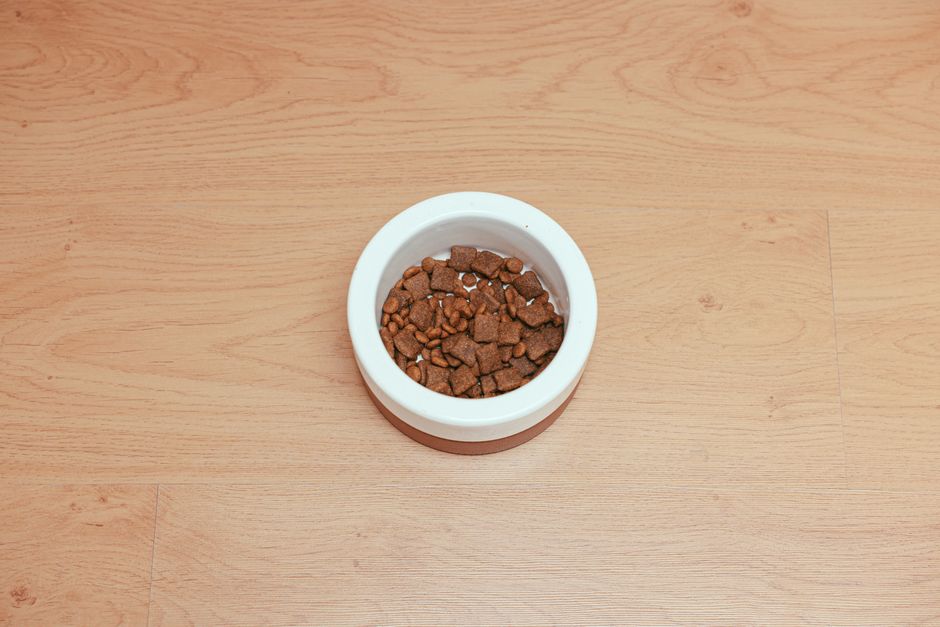
The grain-free pitch had four parts:
- Dogs are descended from wolves, which do not eat grains in the wild, so grains are unnatural for dogs.
- Many dogs are allergic to grains, which causes itching, ear infections, and digestive issues.
- Grains are cheap fillers that displace better ingredients.
- Grain-free formulations are nutritionally superior.
Each of these claims has problems.
Claim 1 is biologically partial. Dogs are descended from wolves, but they have evolved different digestive capabilities. Studies have identified increased copies of the AMY2B gene in dogs (which produces pancreatic amylase and helps digest starch). Dogs are not strict carnivores like cats; they handle moderate amounts of starch fine. The "unnatural" argument was overstated.
Claim 2 is statistically wrong. True grain allergies in dogs are uncommon, accounting for a small fraction of food allergies. The most common food allergens in dogs are protein sources: beef, chicken, dairy, lamb, egg, and fish, in roughly that order. Wheat, corn, and soy are far down the list. The grain-allergy panic was largely a misattribution of environmental allergies and other food sensitivities.
Claim 3 conflates two different things. Cheap grocery-store kibble does use grains as filler, often with low-quality ingredients overall. But premium grain-inclusive foods use grains as one nutritional component alongside high-quality animal proteins. The "grains are filler" framing made sense for $25 grocery-store bags. It did not apply to $80 premium grain-inclusive foods, which were being abandoned for grain-free alternatives that were not necessarily better.
Claim 4 is where it got dangerous. Grain-free formulations replaced grains with peas, lentils, chickpeas, and potatoes. These are also carbohydrate sources, often used at higher inclusion rates than the grains they replaced. The "grain-free" label did not mean "low-carb." It meant "carbohydrates from a different source." And that different source turned out to have health implications nobody had studied carefully.
What the FDA found

In 2018 the FDA reported a concerning increase in cases of dilated cardiomyopathy (DCM) in dog breeds that were not genetically predisposed to the condition. DCM is a serious heart disease where the heart muscle weakens and the chambers enlarge, eventually leading to heart failure. It is normally seen in breeds with a known genetic predisposition (Doberman Pinschers, Boxers, Great Danes, Cocker Spaniels).
The cases the FDA was tracking were occurring in breeds that had no genetic predisposition. Golden Retrievers, mixed breeds, smaller dogs that should not have been developing DCM in any meaningful number.
The common factor across most affected dogs: they had been eating grain-free diets, often for extended periods. Specifically, diets high in legumes (peas, lentils, chickpeas) and potatoes as primary carbohydrate sources.
The exact mechanism is still under investigation, but the leading hypotheses involve:
- Taurine deficiency, possibly induced by something in the legume-heavy formulations interfering with taurine synthesis or absorption
- Direct cardiotoxic effects of compounds in legumes at high inclusion rates
- Combination of formulation issues across multiple ingredients
The FDA published lists of brands most associated with the cases. The list reads as a who's who of the boutique grain-free market: Acana, Zignature, Taste of the Wild, 4Health, Earthborn Holistic, Blue Buffalo, Nature's Domain, Fromm, Merrick, California Natural, Natural Balance, Orijen, Nature's Variety, NutriSource, Nutro, and Rachel Ray.
This was not a small finding. It was a major reversal of the consensus on a category that had grown to dominate premium pet food sales.
What grain-free actually does well
Grain-free is not entirely without merit. There are genuine cases where it is the right choice:
1. Dogs with confirmed grain allergies. Real, immune-mediated allergies to specific grains (most often wheat) do exist. These are diagnosed through proper elimination diet trials, not based on suspicion. A dog with confirmed wheat allergy benefits from a grain-free diet, ideally one that is also legume-light to avoid the DCM concern.
2. Dogs with specific GI sensitivities to grain-derived ingredients. Some dogs do not handle corn or rice well. Switching to a grain-free formulation can resolve persistent soft stools or gas in these dogs. This is a sensitivity, not an allergy, but the practical result is the same.
3. Specialized therapeutic diets. Some prescription veterinary diets are grain-free for specific medical reasons (certain kidney diets, certain hypoallergenic protocols). When prescribed by a vet for a clinical reason, follow the recommendation.
In all three cases, the appropriate grain-free diet is one that is legume-light, formulated by a board-certified veterinary nutritionist, and ideally has feeding-trial substantiation rather than just a formulated AAFCO statement.
What grain-free does poorly

The cases where grain-free is the wrong choice:
1. Dogs without a confirmed grain allergy or sensitivity. Most owners switching to grain-free are doing so based on marketing rather than diagnosis. The dog has no demonstrated grain-related issue. The switch produces no health benefit and exposes the dog to legume-related risks.
2. Dogs with cardiac history or breed predisposition to heart disease. Dobermans, Boxers, Great Danes, Cocker Spaniels, and other breeds prone to DCM should specifically not be on grain-free diets. The interaction with their existing cardiac risk is exactly what the FDA flagged.
3. Dogs as a default choice in puppyhood. Putting a healthy puppy on a grain-free diet because "it's better" is a choice without evidence and with documented risks.
4. Cost-conscious purchases of cheaper grain-free products. Inexpensive grain-free foods often have higher legume inclusion rates than premium ones, increasing the risk profile while still costing more than equivalent grain-inclusive options.
The current expert consensus

Across the veterinary nutrition and cardiology community, the position has converged on something like:
- Grain-inclusive diets formulated by qualified nutritionists are the appropriate default for healthy dogs.
- Grain-free is appropriate for dogs with demonstrated grain-specific issues.
- Legume-heavy formulations are concerning regardless of grain content, particularly in cardiac-predisposed breeds.
- Owners considering a switch to grain-free should discuss with their vet first, ideally with awareness of the FDA findings.
The American Veterinary Medical Association's overview of diet-associated DCM notes the investigation is ongoing and the link is not fully proven, but advises caution and a vet conversation before choosing grain-free.
This is a meaningful reversal from the marketing position of five years ago. It is also where the actual evidence has settled.
How to read a grain-free label

If you are choosing a grain-free food for legitimate reasons, evaluate it carefully:
- Look for grain replacements that are not legumes. Sweet potato, white potato, tapioca, and limited use of fruits as carbohydrate sources are less concerning than diets where peas and lentils are in the top five ingredients.
- Check the ingredient list for "pea protein," "pea fiber," "pea starch." When peas appear in multiple forms, the total pea content is higher than it looks. This is a known formulation pattern that boosts protein numbers cheaply but increases legume load.
- Prioritize feeding-trial AAFCO statements over formulated-only ones.
- Look for board-certified veterinary nutritionists on staff at the manufacturer.
- Avoid brands on the FDA DCM-association list unless the specific formulation has been reformulated post-2018 to address the concern.
What about raw and fresh-cooked alternatives?

A common move for owners questioning grain-free kibble is to switch to raw or fresh-cooked diets, which are typically grain-free by nature but also legume-free. The DCM concerns documented by the FDA were about kibble formulations specifically, where the manufacturing process and ingredient ratios produced the problematic legume load. Raw and fresh-cooked diets that are built around meat, organ, bone, and minimal vegetable matter do not have the same risk profile.
For owners specifically motivated by avoiding both grains and legumes, a complete commercial raw diet is a reasonable alternative to grain-free kibble. Built around meat protein with minimal carbohydrate inclusion, it sidesteps the formulation issues that drove the FDA investigation.
A specific recommendation
For most dog owners, the practical guidance:
- If your dog is healthy and has no diagnosed grain issue, feed a grain-inclusive food from a reputable manufacturer with veterinary nutritionist formulation.
- If your dog has skin or GI symptoms you suspect are food-related, do a structured elimination trial before switching brands or categories. Most "grain allergies" turn out to be other things.
- If you have already been feeding grain-free for years, talk to your vet about cardiac screening, particularly for breeds with any genetic predisposition to heart disease. An echocardiogram is reasonable insurance.
- If grain-free is medically appropriate, choose carefully. Legume-light, vet-nutritionist-formulated, feeding-trial-tested.
Frequently Asked Questions
Is grain-free dog food better for dogs?
Not as a default. Grain-free was marketed as a nutritional upgrade, but true grain allergies are uncommon and dogs digest moderate starch fine. For most healthy dogs a grain-inclusive diet formulated by a veterinary nutritionist is the appropriate choice. Grain-free is only the better option for the small number of dogs with a diagnosed grain allergy or sensitivity.
What did the FDA find about grain-free dog food and heart disease?
Starting in 2018, the FDA investigated a rise in dilated cardiomyopathy (DCM), a serious heart-muscle disease, in dog breeds not genetically predisposed to it. Most affected dogs had been eating grain-free diets high in legumes such as peas, lentils, and chickpeas. The exact mechanism is still under investigation and the link is not fully proven, but the finding reshaped veterinary consensus.
Does my dog need grain-free food for allergies?
Probably not. True grain allergies are rare; the most common food allergens in dogs are protein sources like beef, chicken, and dairy, not grains. Most suspected "grain allergies" are actually environmental allergies or other sensitivities. Confirm any food allergy with a proper elimination trial before switching to grain-free.
Is grain-free food bad for all dogs?
No. The concern centers on legume-heavy formulations, especially in breeds predisposed to heart disease. Dogs with a confirmed grain allergy or specific GI sensitivity can benefit from grain-free, ideally a legume-light formula made by a board-certified veterinary nutritionist. The problem is using grain-free as a default for dogs that have no grain-related issue.
What should I feed instead of grain-free kibble?
For a healthy dog with no diagnosed grain issue, a grain-inclusive food from a reputable manufacturer with veterinary nutritionist formulation is the safest default. Owners specifically motivated to avoid both grains and legumes sometimes choose raw or fresh-cooked diets, which are built around meat and minimal carbohydrate and do not carry the legume load that drove the FDA investigation.
The takeaway
Grain-free dog food was sold as a nutritional improvement on weak evidence and turned out to have real costs. The FDA investigation has documented cardiac harm in dogs eating these diets. The category is not all bad, and there are dogs for whom it is the right choice, but the default assumption that grain-free is "better" has been thoroughly invalidated.
If you are choosing dog food today, the right question is not "grain-free or grains?" The right question is "is this formulation backed by clinical research and made by people who know what they are doing?" That answer is sometimes grain-free and is more often grain-inclusive. Marketing language is not a substitute for clinical evidence.