The 10 Dog Treats That Won't Wreck Your Dog's Teeth
Most dog treats damage teeth more than people realize. 10 treat categories that actually clean teeth or stay neutral, ranked by dental impact and value.
Quick answer: The best treats for your dog's teeth are single-ingredient or VOHC-approved options that scrub plaque or stay neutral: appropriately sized raw meaty bones, VOHC-certified dental chews, bully sticks, dehydrated tracheas and tendons, frozen carrots, and single-ingredient freeze-dried meat. Avoid sticky, sugary, rawhide, and hard antler treats, which damage or fracture teeth. Aim for treats under 10 percent of daily calories.
Most dog treats damage teeth more than owners realize. Some are obviously bad (sticky chews that adhere to molars, sugar-laden bakery treats). Some are sneakily bad (the soft "training treats" that turn to paste in the mouth and leave residue). And some are actively dental-positive, scrubbing plaque while the dog enjoys them.
This is a ranked list of ten treat categories that are dentally neutral or dentally beneficial. We will cover what makes each category good, the brands within each that perform best, and which dogs they are appropriate for. Skip the marketing claims; this is what veterinary dental research actually supports.
The Veterinary Oral Health Council seal
Before the list, the most useful thing on any treat package: the VOHC (Veterinary Oral Health Council) seal of approval. The VOHC tests dental products for plaque and tartar reduction and certifies the ones that pass.
Many treats marketed as "dental" do not have VOHC certification because they did not pass the testing. The seal is not on every effective treat, but if a product carries it, the dental claims have empirical backing.
The VOHC website maintains a list of all currently certified products. Worth a glance before any major treat purchase.
1. Raw meaty bones (appropriately sized)
The original dental treat. Raw bones with attached meat provide the mechanical scrubbing action that scrapes plaque from teeth as the dog gnaws.
What works: raw beef knuckle bones, raw lamb bones, raw chicken necks for small dogs, raw turkey necks for medium dogs, larger raw femurs for large dogs.
What to avoid: cooked bones (splinter), cut marrow bones (can fracture teeth), bones that are too small for the dog's mouth (choking risk).
Best for: dogs without dental issues already and without a history of resource-guarding bones. Supervise.
Dental score: very high. The mechanical action is hard to replicate with any other treat.
2. VOHC-approved dental chews
The category most owners think of first. The VOHC seal indicates the chew has been tested and produces measurable plaque reduction.
Top performers:
- Greenies (Original)
- OraVet Dental Chews
- Whimzees Dental Treats
- Virbac CET Hextra Chews
What to avoid in this category: non-VOHC dental chews, which often have the same form factor as effective ones but no clinical backing. Read the package for the seal.
Best for: daily dental support. Most dogs tolerate these well.
Dental score: moderate to high.
3. Bully sticks (low-odor)
Single-ingredient dried beef esophagus. Long chew time, no chemical processing, no synthetic ingredients.
What works: bully sticks from companies that source from grass-fed cattle and use no chemical treatments. Look for "low odor" or "odor-free" varieties, which are not actually different products but are typically from cleaner processing.
What to avoid: bleached or chemically-treated bully sticks. The cheapest grocery-store options often use peroxide bleaching, which is not a major safety issue but indicates lower processing standards overall.
Best for: medium and large dogs who chew thoroughly. Small dogs may struggle with the texture.
Dental score: moderate. Mechanical action helps, but not as much as harder bones.
4. Dehydrated tracheas, tendons, and trachea-equivalent products
Low-fat, single-ingredient, with chewy-but-not-hard texture that exercises the jaw without fracture risk.
What works: beef trachea, lamb trachea, beef tendons, beef gullet. Whole pieces from reputable suppliers.
Best for: dogs with sensitive stomachs (these are easily digested), dogs with dental issues that prevent harder chews, smaller dogs.
Dental score: low to moderate, depending on chew duration. Useful as a supplement to other dental work.
5. Frozen carrots
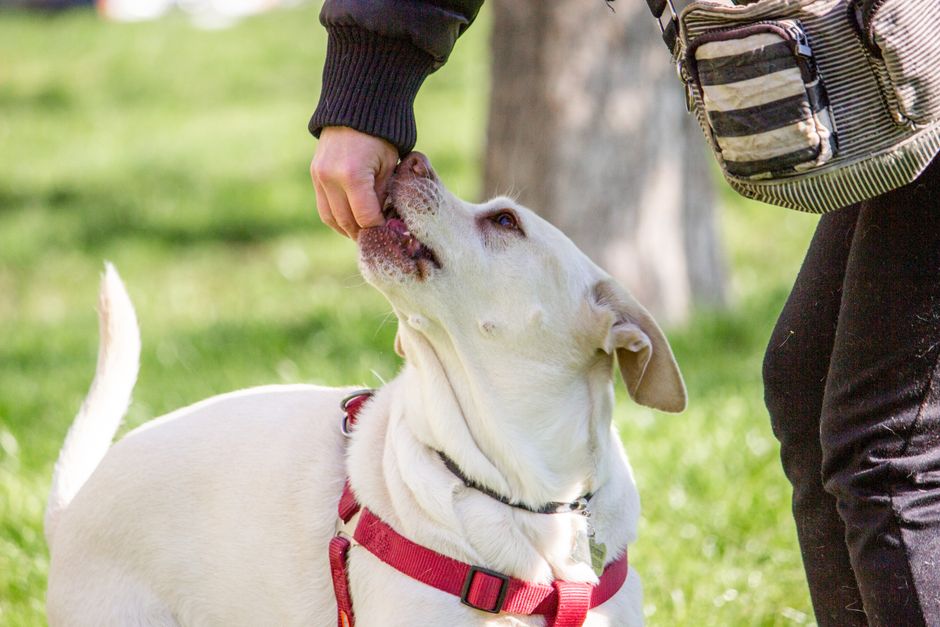
Low-calorie, fibrous, hard enough to scrape some plaque, and many dogs love them. Cheap.
What works: large whole carrots from the produce aisle, frozen and given to the dog as a chew toy.
What to avoid: cooked carrots (no dental benefit, mostly sugar), small carrot chunks (choking risk for medium and large dogs).
Best for: dogs needing low-calorie treat options, dogs with weight management concerns, dogs who like vegetables.
Dental score: low. The benefit is mostly the mechanical action of the cold, hard chew rather than any specific dental property.
6. Single-ingredient freeze-dried meat treats

Pure meat, dried without additives. High protein, no sugar, no fillers, no chemical preservatives.
Top performers:
- Stewart Pro-Treat Freeze Dried Beef Liver
- Vital Essentials Freeze Dried Meat Treats
- Stella & Chewy's Carnivore Crunch
- Plato Pet Treats
Best for: training (small pieces, high motivation), dogs with food sensitivities (single ingredient), dogs on raw diets (consistent with the rest of the diet).
Dental score: neutral. These do not damage teeth but do not actively clean them either. Good "neutral" option for owners who do not want treats undermining their dental routine.
7. Dehydrated whole prey items

A category most pet stores do not carry but worth ordering: dehydrated whole prey items like chicken feet, duck necks, lamb ribs.
What works: whole-animal pieces, raw or freeze-dried, from suppliers that source ethically and process minimally.
Best for: dogs with strong chew instincts who need substantial chewing time. Provides mechanical action plus calcium from the bone content.
Dental score: high. The bone content acts as natural toothbrushing as the dog chews through.
8. Yak chews / Himalayan dog chews
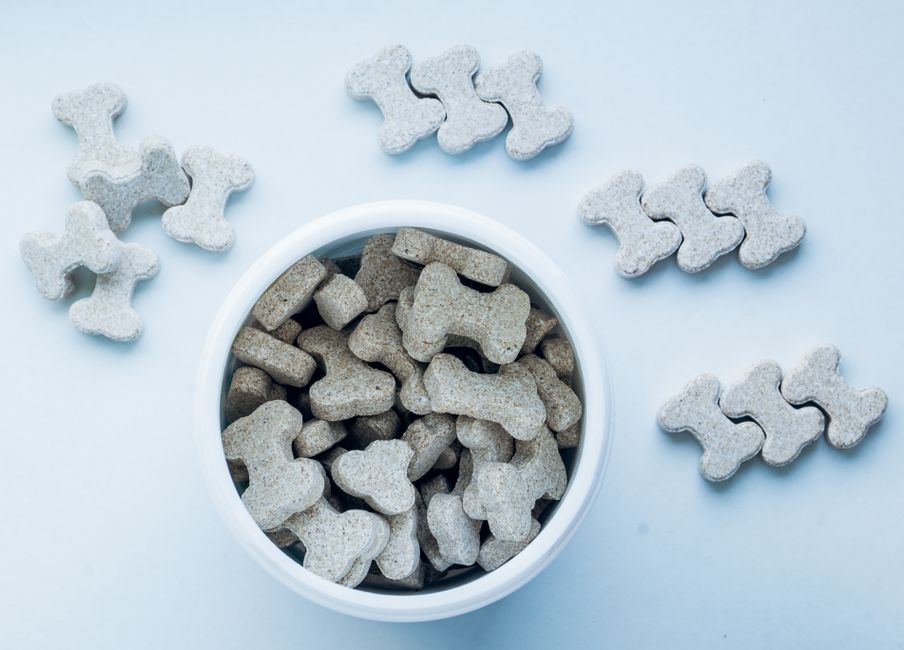
Dried yak milk pressed into hard bars. Nearly indestructible at first, slowly worn down by chewing. Low odor, low fat, single-ingredient.
Best for: persistent chewers, dogs who go through other chews quickly, dogs needing extended chew time.
Dental score: moderate. The hardness provides scraping action, though dogs do not gnaw the surface aggressively the way they do with bones.
What to watch: the small leftover pieces at the end can be choking hazards. Once a yak chew is small enough to swallow whole, take it away.
9. Dental water additives (VOHC-approved)
Not a treat, but worth mentioning since it sits in the same category of "ongoing dental support."
What works: VOHC-approved water additives like HealthyMouth or TropiClean Fresh Breath.
Best for: dogs who will not tolerate brushing or dental chews. Set-and-forget; you add a small amount to the water bowl daily.
Dental score: low to moderate. Effective for plaque reduction but not as strong as mechanical interventions. Best as a supplement, not a primary intervention.
10. Whole-food vegetable and fruit pieces

Apple slices (no seeds), green beans, blueberries, watermelon (no rind), banana, sweet potato (cooked or dehydrated).
Best for: training treats for owners who do not want commercial treat ingredients in their dog's diet. Low-calorie. Most dogs find at least one of these motivating.
What to avoid: grapes and raisins (toxic to dogs), onions and garlic (toxic in quantity), avocado (mildly toxic), cherry pits (cyanide), citrus (acidic and unpleasant). The ASPCA's list of people foods to avoid feeding pets is a reliable reference before offering any human food.
Dental score: neutral. Some have very mild beneficial fiber effects, but mostly these are dental-neutral options that do not undermine other interventions.
What to avoid entirely
To complete the picture, the categories that consistently damage teeth and should be limited or skipped:
- Sugary treats and bakery products. Frosted dog biscuits, cake-flavored treats, anything with added sugars. Bacterial food.
- Sticky chewy treats. "Soft and chewy" bacon strips, jerky-style soft treats. The texture adheres to teeth and stays there.
- Rawhide. Not just a dental concern but a digestive one. Many rawhides contain chemical preservatives, and the chunks dogs swallow can cause obstructions.
- Pig ears. High in fat, often contaminated with bacteria, no dental benefit.
- Antlers (in many cases). The hardness can fracture teeth in aggressive chewers. Slab fractures from antlers are a common emergency dental issue. If you do offer antlers, choose softer split antlers and supervise.
- Cheap supermarket bones. Cooked, smoked, or treated bones from grocery stores often splinter or shatter.
- Yak milk chews that are too small. Yak chews start at the right size but get dangerous as they get small.
A practical treat strategy
For most dogs, an effective dental-positive treat strategy combines:
- One VOHC-approved dental chew daily as the baseline.
- One raw meaty bone or yak chew weekly for substantial chewing time.
- Freeze-dried single-ingredient treats for training, used in small pieces.
- Frozen carrots or vegetable pieces as low-calorie filler treats.
- Optional VOHC water additive as background support.
Total treat calories should stay under 10 percent of the dog's daily caloric needs. Cut back on meal portions if treats are making up more.
Frequently Asked Questions
What treats are actually good for a dog's teeth?
The most dentally beneficial treats provide mechanical scrubbing as the dog chews: appropriately sized raw meaty bones, dehydrated whole prey items, and VOHC-approved dental chews. Single-ingredient freeze-dried meat treats are dentally neutral, meaning they do not clean teeth but also do not undermine your dental routine. Match the treat to the dog's size and chewing style.
Is rawhide bad for dogs?
Rawhide is best avoided. Beyond offering little dental benefit, many rawhides contain chemical preservatives, and the softened chunks dogs swallow can cause digestive obstructions. Single-ingredient chews like bully sticks or dehydrated tendons are safer alternatives that still deliver long chew time.
Are antlers safe for dogs to chew?
Antlers are risky for aggressive chewers because their hardness can fracture teeth, and slab fractures from antlers are a common emergency dental issue. If you offer them at all, choose softer split antlers and supervise. Many owners are better off with raw meaty bones or yak chews matched to the dog.
What is the VOHC seal and why does it matter?
The Veterinary Oral Health Council tests dental products for plaque and tartar reduction and certifies the ones that pass. Many treats marketed as "dental" never earned the seal because they did not pass testing. If a product carries the VOHC seal, its dental claims have empirical backing rather than just marketing.
How many treats can I give my dog per day?
Total treat calories should stay under 10 percent of your dog's daily caloric needs, regardless of how healthy the treat is. If treats push past that, cut back on meal portions to compensate. Low-calorie options like frozen carrots or green beans make it easier to stay within the limit.
The takeaway
Treats are a major source of dental damage for many dogs, and most owners do not realize it because the marketing claims do not match the dental reality. Stick to single-ingredient or VOHC-approved options. Use raw meaty bones for the strongest dental benefit. Avoid sticky, sugary, or chemically-processed treats.
Treats can be neutral. Treats can even be positive. Most are not, by default. Picking the ones that contribute to your dog's dental health is one of the cheapest and easiest health interventions you can make.