Dental Disease in Dogs: The Silent Vet Bill Insurance Often Won't Cover
Periodontal disease affects most dogs by age three and creates large vet bills pet insurance often excludes. What it costs, why prevention works, how to do it.
Quick answer: Periodontal disease affects most dogs by age three and is the most common chronic disease in dogs, yet most pet insurance policies exclude it. Lifetime costs of treating advanced, neglected dental disease run $3,000 to $8,000, while consistent prevention (daily brushing, VOHC-approved chews, periodic cleanings) keeps that closer to $1,500 to $3,500. Prevention pays for itself several times over.
The veterinary statistic that most owners have never heard: by age three, more than 70 percent of dogs have some form of periodontal disease. By age six, the number is north of 90 percent. By age ten, the question is not whether your dog has dental disease but how advanced it is and whether it has started causing systemic problems.
This is not a niche concern. It is the most common chronic disease in dogs, and it accumulates costs in a way that catches almost everyone off guard. Worse, dental work is one of the categories most pet insurance policies either exclude entirely or cover only in narrow circumstances.
Let me walk through what dental disease actually does, what it costs, why insurance usually will not save you, and what an actually effective prevention routine looks like.
What is happening in your dog's mouth
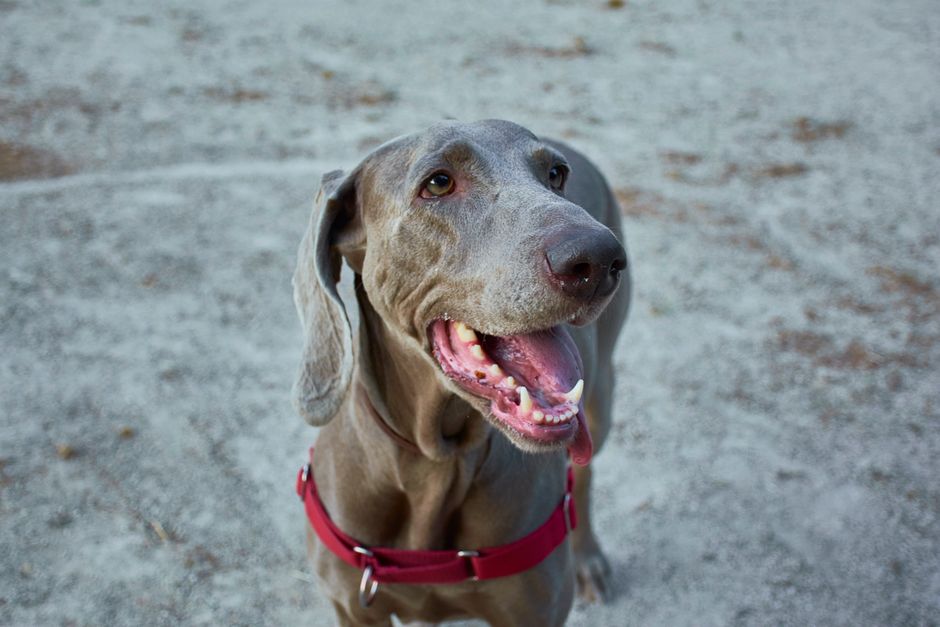
Periodontal disease is a four-stage progression:
Stage 1: Gingivitis. The gums are mildly inflamed. Plaque is forming at the gumline. Reversible with cleaning.
Stage 2: Early periodontitis. Plaque has hardened into tartar. The gum-tooth attachment is starting to weaken. Some loss of bone around the teeth, visible only on X-ray. Still substantially treatable.
Stage 3: Moderate periodontitis. Significant bone loss. Pockets forming around the teeth where bacteria thrive. Gums are visibly inflamed and bleeding. Some teeth may need extraction.
Stage 4: Advanced periodontitis. Severe bone loss. Multiple teeth loose or already lost. Chronic pain. Bacteria from the mouth entering the bloodstream and seeding heart valves, kidneys, and liver.
Most dogs progress through this without their owners noticing because dogs are stoic about mouth pain and the early stages are not visually dramatic. By the time owners see "bad breath that won't go away" or "my dog won't chew on his left side anymore," the disease is usually at stage 3 or 4.
What it costs

The progression of dental disease maps to a progression of veterinary costs.
Stage 1 to 2 (early intervention):
- Professional cleaning under anesthesia: $400 to $1,000
- One cleaning is usually enough; repeat every 1 to 3 years.
Stage 3 (moderate):
- Cleaning plus extractions: $800 to $2,500 depending on how many teeth need to come out
- Often requires a follow-up visit
Stage 4 (advanced):
- Major dental surgery: $1,500 to $4,000+
- Multiple extractions, possible bone grafts, longer anesthesia
- Sometimes requires referral to a veterinary dentist
- Possible secondary treatment for systemic effects (kidney function, cardiac issues)
For a dog who lives 12 years with no preventive dental care, the lifetime cost of treating accumulated periodontal disease is typically $3,000 to $8,000. For a dog with consistent prevention plus regular cleanings, the lifetime cost is closer to $1,500 to $3,500. The savings from prevention pay for the prevention several times over.
Why insurance usually does not cover this

Pet insurance policies vary, but the common pattern is one of the following:
Routine dental cleanings excluded. Most basic policies do not cover preventive cleaning. It is treated like the human dental insurance distinction between "cleaning" (your responsibility) and "treatment" (covered).
Dental treatment excluded for pre-existing periodontal disease. Once a dog has been diagnosed with any stage of dental disease, that condition is usually excluded going forward, even if it gets worse. This is the catch that surprises owners. If your dog had stage 1 noted on a vet exam at age 3 and you bought insurance at age 4, the resulting stage 4 disease at age 9 may not be covered, because it traces back to the original noted condition.
Wellness add-ons that do cover dental. Some insurers offer wellness or preventive add-on packages for $20 to $40 per month that cover cleanings. The math on these is usually marginal: you pay $300 to $500 per year for an add-on that funds one $500 cleaning every two years. You break even at best.
Coverage only for accidental dental injury. Some policies cover dental work only when it is the result of an accident (broken tooth from chewing on a bone, etc.), not periodontal disease.
The result: dogs with serious dental disease often face $2,000 to $4,000 vet bills that the insurance cheerfully tells you are not covered, because the underlying issue was diagnosed before the policy was active or because the policy has dental exclusions you forgot about.
What actually prevents dental disease
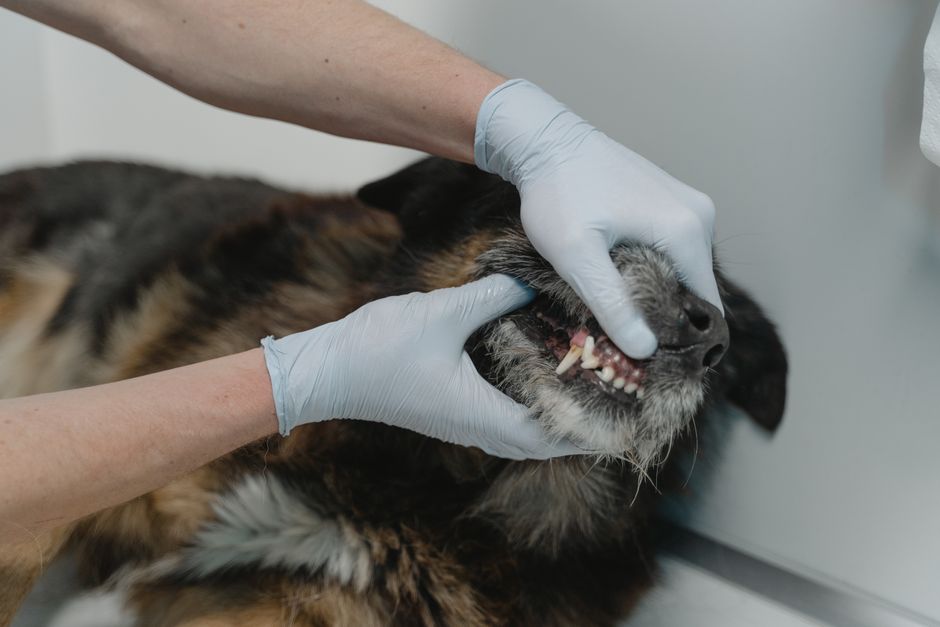
The good news: prevention is genuinely effective. Dogs whose owners do consistent dental care show meaningfully better dental health well into old age. The bad news: the things that work require daily effort.
The hierarchy of effectiveness, from most to least:
1. Daily tooth brushing. This is the single most effective intervention by a wide margin. Use a dog-specific toothpaste; human toothpaste can contain xylitol, which the American Veterinary Medical Association and other authorities flag as toxic to dogs. Brush all teeth, with focus on the outer surfaces of the back teeth (where most plaque accumulates) and the canines. The brushing itself does not need to be vigorous; the action of disturbing the plaque film is what matters.
Most dogs can be trained to tolerate brushing if you start in puppyhood and build it up gradually. Older dogs are harder but not impossible. Daily is better than every other day. Every other day is better than nothing.
Effectiveness: high. Dogs brushed daily have substantially less plaque accumulation, less progression of disease, and longer intervals between professional cleanings.
2. Veterinary Oral Health Council (VOHC)-approved dental products. The VOHC tests products and certifies the ones that actually reduce plaque and tartar. Look for the seal on chews, treats, and water additives, and check the current certified-product list at the VOHC website. Many products marketed as "dental" do not have VOHC certification because they did not pass.
VOHC-approved options include Greenies, OraVet chews, certain brands of dental water additives, and some prescription dental diets. These provide measurable but moderate plaque reduction. They are useful as a supplement to brushing, not a replacement.
Effectiveness: moderate. The marketing often overstates what these products do, but the certified ones do provide real (if modest) benefit.
3. Raw meaty bones or appropriate dental chews. The mechanical action of chewing scrapes plaque from teeth. Raw bones (never cooked, which splinter) and tough dental chews provide this. The risk is fractures (from too-hard bones) and choking (from inappropriately-sized chews). Match the chew or bone to the dog.
Some raw feeders argue that raw-fed dogs have substantially better dental health than kibble-fed dogs because the chewing action of bones and the absence of starch (which feeds plaque bacteria) keep teeth cleaner. The research on this is suggestive rather than conclusive, but the dental health of raw-fed dogs in long-term studies is consistently above that of kibble-fed peers. A complete raw diet is one consideration for owners specifically motivated by dental outcomes.
Effectiveness: moderate to high, depending on consistency.
4. Annual dental exams as part of normal vet visits. Your vet should be looking at your dog's teeth at every visit and noting any concerns. The grading scale most vets use (1-4 progression) is the basis for deciding when to schedule a cleaning.
Effectiveness: this is monitoring, not prevention. But it ensures problems are caught at stage 1 or 2 rather than stage 4.
5. Professional cleanings under anesthesia, every 1 to 3 years. This is treatment, not prevention, but it is part of any dental care plan. The frequency depends on the dog's individual susceptibility, the prevention routine, and what previous cleanings have shown. Small breeds and brachycephalic dogs (Pugs, Frenchies, Bulldogs) tend to need cleanings more often.
Effectiveness: high, but treats the problem rather than preventing it.
The realistic prevention plan

For most owners, a workable plan looks like:
- Brush teeth daily, or as close to daily as you can manage. Five times a week is much better than once.
- Provide one VOHC-approved dental chew per day or every other day.
- Provide raw meaty bones appropriate for the dog's size, once or twice a week, supervised.
- Annual dental exams as part of normal vet visits.
- Professional cleaning every 1 to 3 years based on what the vet finds.
- Avoid food that makes the problem worse: high-carb cheap kibbles, sticky treats, dental chews that are mostly starch.
Total annual cost: roughly $200 to $400 for products and $400 to $800 every other year for cleanings, averaging $400 to $600 per year. Compare to the $3,000 to $8,000 lifetime cost of advanced disease in an unmaintained dog.
What to do today
If your dog is older than three and has not had consistent dental care:
- Schedule a vet exam specifically focused on dental assessment. Get a stage rating.
- Schedule a cleaning if the rating is 2 or higher. Do not wait.
- Buy a dog toothbrush and dog-specific toothpaste. Begin a daily brushing routine starting tomorrow.
- Add one VOHC-approved chew to the daily routine.
- Have a real conversation with your insurance about exactly what dental work is covered and what is not. Read the policy. Many owners discover at the worst moment that what they thought was covered is not.
Frequently Asked Questions
At what age do dogs start getting dental disease?
Dental disease starts early. By age three, more than 70 percent of dogs have some form of periodontal disease, and by age six the figure is north of 90 percent. The early stages are easy to miss because dogs are stoic about mouth pain, which is why prevention should start well before symptoms appear.
Does pet insurance cover dental cleanings for dogs?
Usually not. Most standard policies exclude routine cleanings, treat them as the owner's responsibility, and exclude treatment for periodontal disease that was noted before the policy started. Some insurers sell wellness add-ons that cover cleanings, but the math on those is typically break-even at best. Read your policy before assuming dental work is covered.
How much does a dog dental cleaning cost?
A professional cleaning under anesthesia runs roughly $400 to $1,000 for early-stage disease. Once extractions are needed the range jumps to $800 to $2,500, and advanced surgery with multiple extractions can reach $1,500 to $4,000 or more. Catching disease at stage 1 or 2 is dramatically cheaper than letting it reach stage 4.
Is it safe to use human toothpaste on a dog?
No. Human toothpaste can contain xylitol, which is toxic to dogs, and fluoride is not meant to be swallowed. Always use a dog-specific toothpaste, which is formulated to be safe to swallow and comes in flavors most dogs accept.
Do dental chews actually work, or are dog teeth still better off brushed?
Daily brushing is the single most effective intervention by a wide margin. VOHC-approved dental chews provide real but moderate plaque reduction and work best as a supplement to brushing, not a replacement. If you can only do one thing, brush; if you can do two, brush and add a certified chew.
The takeaway
Dental disease is the most common chronic disease in dogs, the most expensive to ignore, and the most consistently excluded from pet insurance coverage. The math on prevention is one of the cleanest in pet ownership: a few hundred dollars and ten minutes a day saves thousands of dollars and years of progressive damage.
Your dog cannot brush their own teeth. They cannot tell you their mouth hurts until it really hurts. The owner is the dental hygiene plan, and the plan starts now or it does not start at all.