Dog Allergies vs. Food Sensitivities: A DIY Diagnostic Without the $400 Vet Visit
How to tell if your dog has a true food allergy, a sensitivity, or environmental allergies before you spend $400 on testing. The structured vet approach.
Dog food allergy vs sensitivity: The honest answer from a former licensed insurance agent who now writes pet-care guidance.
Your dog is itchy. Or has chronic ear infections. Or is throwing up once a week. The internet says it could be a food allergy. The vet wants $400 for an allergy panel that, depending on the lab, may or may not be reliable. Before you write that check, there is a structured way to narrow down what is actually going on, and most of it you can do at home.
We are going to walk through the actual differential diagnosis vets use, in plain English, with a clear step-by-step home approach. By the end you will know what category your dog's symptoms most likely fall into, which is the information that lets you decide whether expensive testing is worth it or whether a much cheaper intervention will solve the problem.
The three categories you are choosing between

Most chronic itching, GI issues, or recurring infections in dogs come from one of three sources:
1. True food allergy. The immune system mistakes a food protein for a threat and produces an antibody response. This is the rarest of the three. About 10 percent of dog allergies are food-driven, despite what the internet tells you. The most common allergens are beef, chicken, dairy, and wheat, in roughly that order.
2. Food sensitivity (non-immune food intolerance). The dog has trouble digesting a particular food, but it is not an allergic reaction. The immune system is not involved. The symptoms tend to be GI-focused (gas, soft stool, vomiting) rather than itchy-skin-focused.
3. Environmental allergies (atopy). The dog reacts to something in the air or in contact with skin. Pollens, grasses, dust mites, mold spores, flea saliva. This is the most common category, accounting for the majority of canine allergic disease. It is also the one most often misdiagnosed as a food allergy.
The reason this distinction matters: each one has a different treatment, and treating the wrong category is expensive and ineffective. A dog with environmental atopy on a hypoallergenic prescription diet is still going to be itchy. A dog with a true beef allergy on antihistamines is still going to flare every time the diet has beef.
Here is the quick differential we walk owners through, side by side, so you can see which column your dog most resembles before you spend a dollar.
| Feature | True food allergy | Food sensitivity (intolerance) | Environmental allergy (atopy) |
|---|---|---|---|
| Share of canine allergy cases | Roughly 10 percent, the rarest of the three | Non-immune; true rate is not well established | The large majority, and the most common |
| Immune system involved | Yes, an antibody response | No | Yes, an IgE response |
| Main symptoms | Year-round itch plus GI signs | GI-focused: gas, soft stool, vomiting | Itchy skin, often seasonal |
| Where the itch shows up | Paws, face, ears, belly, plus rear and inner thighs | Minimal skin; mostly gut | Paws, face, ears, belly, armpits |
| Seasonal pattern | Year-round | Year-round | Often seasonal (spring, summer, or fall) |
| Typical onset | After a diet change or from puppyhood | Any age, often after a food change | Between 6 months and 3 years |
| Most common triggers | Beef (~34%), dairy (~17%), chicken (~15%), wheat (~13%), lamb (~5%) | Rendered fats, corn or wheat, additives, food gums | Pollen, grass, dust mites, mold, flea saliva |
| Time to improve on the right fix | 8 to 12 weeks on an elimination diet | 2 to 4 weeks on a diet change | Days to weeks once therapy starts |
| Best diagnostic | Elimination diet trial (the gold standard) | Elimination or simplified diet | Intradermal skin test plus clinical pattern |
| Typical out-of-pocket | Trial food; blood IgE panel $200 to $400 but unreliable | Trial food | Skin testing $500 to $1,500 |
*Figures verified June 2026 from the Merck Veterinary Manual and Cornell's Riney Canine Health Center; allergen percentages from a 2016 review of 297 dogs with confirmed food reactions. Individual dogs vary, so confirm with your vet.
The pattern that points to environmental, not food

Before you do anything diet-related, run through this checklist. If most of these are true, you are probably dealing with environmental allergies, and changing the food will not fix it.
- Symptoms are seasonal, worse in spring/summer or fall.
- Itching is concentrated on paws, face, ears, belly, and armpits, with face-rubbing and paw-licking being prominent.
- Symptoms are worse outdoors or after walks.
- Symptoms started in late puppyhood or early adulthood (most environmental allergies emerge between 6 months and 3 years).
- The dog responds noticeably to antihistamines (not perfectly, but with some clear improvement).
- Recurring ear infections without obvious GI symptoms.
If three or more of these are true, the answer is probably environmental and you need a different intervention path: anti-itch medication, immunotherapy, or symptom management with regular bathing and topical treatments. A food trial is not going to give you the result you want.
The pattern that points to food

Food allergy and food sensitivity have overlapping symptoms with environmental allergies, but a few distinguishing features:
- Symptoms are year-round, not seasonal.
- GI symptoms are present alongside skin issues (chronic loose stools, gas, occasional vomiting).
- Skin symptoms include the area around the anus and the inner thighs, not just paws and face.
- Symptoms started shortly after a diet change or have been present consistently from puppyhood.
- The dog has had multiple previous food trials with partial improvement on certain proteins.
If most of these match, a food trial is the right next step.
How to actually do a food trial

The home version of a food trial is the same protocol veterinary dermatologists use, just without the specialized prescription diets. It costs the price of one new food and 8 to 12 weeks of patience.
The protocol:
- Pick a single novel protein source. Novel means a protein your dog has not had before, or has had very rarely. Common novel proteins for dogs include rabbit, duck, venison, kangaroo, or fish (if your dog has not had fish-based food previously).
- Pick a single carbohydrate source if you are using kibble or fresh food, or eliminate carbohydrate entirely if you are doing a raw or fresh-cooked trial.
- Eliminate all other foods. No treats, no table scraps, no flavored medications, no rawhide, no dental chews, no anything except the trial food. Treats can be small pieces of the trial food, frozen if you want to make them more interesting.
- Run the trial for 8 to 12 weeks. This is the part most owners get wrong. Skin and gut take weeks to clear inflammation. A two-week trial is not a trial. You need to commit to at least eight weeks of strict adherence to see if the diet is the issue.
- Watch for resolution of symptoms. If the dog clears up substantially during this window, food is implicated. If the dog does not improve, food is unlikely to be the primary driver.
- Re-introduce the original food (the challenge). If symptoms return within a week or two, you have confirmed a food-driven reaction.
- Identify the specific trigger by reintroducing single ingredients one at a time over multiple weeks. This is the slow part, but it is how you get useful information rather than just "something in the old food."
The cost: one bag of novel-protein food, plus the cognitive cost of being strict about treats for two months. Compare this to the $400 allergy panel, plus the prescription diet your vet may then put you on for six months while you wait for the result to be confirmed by the same dietary trial you could have done from the start.
Why allergy panels are unreliable
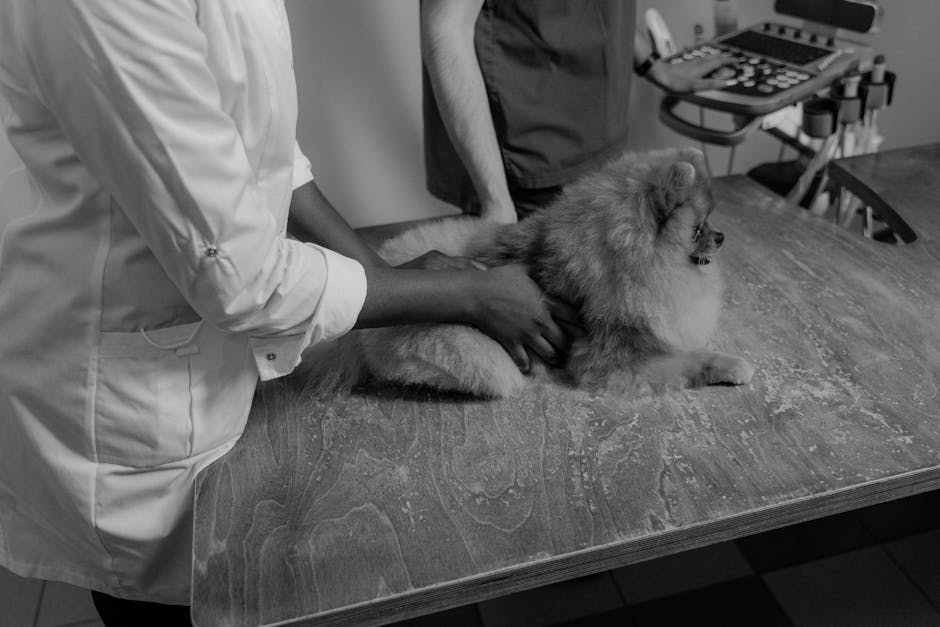
Veterinary allergy testing has two main forms: blood tests (serum IgE panels) and intradermal skin testing.
The serum IgE panels (the cheap, mail-in version that costs $200 to $400) are notoriously unreliable for food allergies. Multiple studies have shown that the same dog tested by the same lab on the same day can produce different results, and that healthy dogs often test positive for foods they tolerate fine. The labs themselves usually disclose this if you read the fine print, but the marketing of the test does not.
Intradermal skin testing (done by a veterinary dermatologist) is more reliable for environmental allergies but is also expensive ($500 to $1,500) and not particularly useful for food allergies, which are not well-detected by skin testing.
The gold standard for diagnosing food allergies remains the elimination diet trial, the same protocol described above. Boards of veterinary dermatology have said this for years, and veterinary teaching resources such as Cornell University's College of Veterinary Medicine reinforce the elimination-trial approach over blood panels. The expensive panel is rarely the right tool, and you can do the gold-standard test at home for the cost of food.
What about food sensitivities specifically
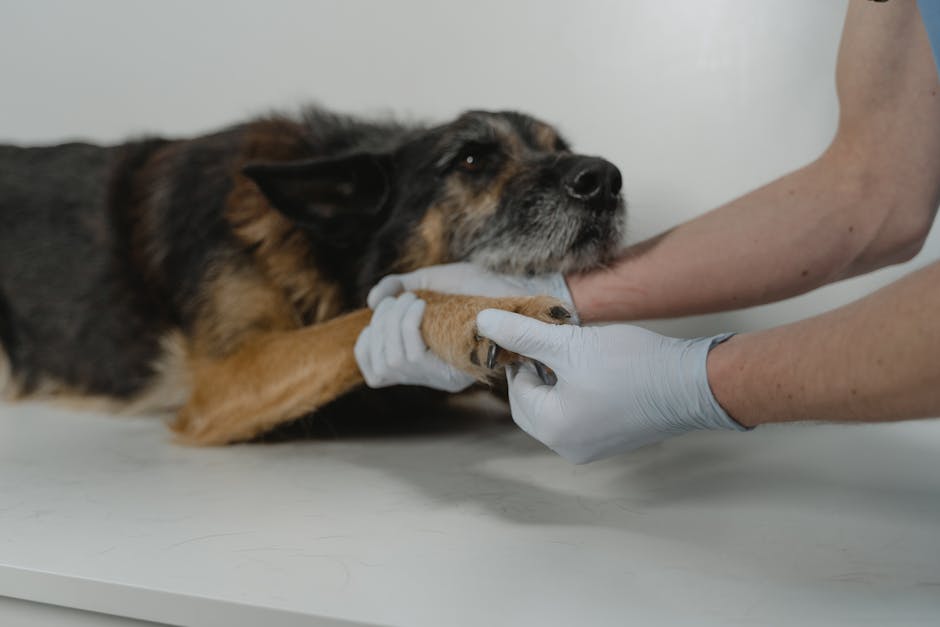
Food sensitivities (non-immune intolerance) typically resolve faster than allergies during a trial, often within 2 to 4 weeks rather than 8 to 12. The symptom profile is also narrower: GI issues with minimal skin involvement.
The common culprits for sensitivities are not the same as for allergies. Sensitivities often involve specific fat sources (rendered fats), specific carbohydrates (corn or wheat for some dogs), or specific additives (artificial preservatives, certain colorings, food gums).
A simpler trial for suspected sensitivity: switch from a heavily processed kibble to a fresh-cooked or raw diet for 4 weeks. If the GI symptoms resolve, the issue was likely something in the kibble formulation rather than a specific protein. Many of these dogs do well on a complete raw or fresh-cooked diet long-term because the simpler ingredient list and absence of processing eliminates many of the common sensitivity triggers.
When to actually go to the vet
The home approach is appropriate for chronic, mild-to-moderate symptoms. There are situations where you should not be DIY-diagnosing:
- Severe symptoms. Bloody diarrhea, repeated vomiting, swelling of the face or throat, lethargy combined with skin symptoms.
- Sudden-onset symptoms in a previously healthy dog.
- Failure to improve after a properly-conducted 12-week food trial.
- Recurrent secondary infections (skin, ear, urinary) that need actual medical treatment.
- Symptoms in puppies under one year, which often have other causes.
In these cases, the vet visit is appropriate. But for the slow-burn chronic itching or the chronic soft stool that has been going on for six months, the home protocol is appropriate first-line, and it is much cheaper than the testing-and-prescription-diet path.
Frequently Asked Questions
How common are true food allergies in dogs?
True food allergies are the least common of the three categories. They account for roughly 10 percent of all canine allergies, with environmental atopy making up the large majority. Most cases that owners assume are food-driven turn out to be environmental. The American College of Veterinary Dermatology and resources like the ASPCA note that food allergy is far rarer than the internet implies.
How long does a dog food elimination trial need to last?
A proper elimination trial runs 8 to 12 weeks, not two weeks. Skin and gut inflammation take weeks to clear, so a short trial gives a false negative. Food sensitivities (non-immune intolerance) often resolve faster, sometimes within 2 to 4 weeks, but true allergies need the full window before you can draw a conclusion.
Are blood allergy tests for dogs accurate?
Serum IgE blood panels are notoriously unreliable for food allergies. The same dog tested by the same lab can produce different results, and healthy dogs frequently test positive for foods they tolerate fine. The gold standard for diagnosing a food allergy remains the elimination diet trial, not a blood panel.
What is the difference between a food allergy and a food sensitivity?
A food allergy is an immune response: the immune system mistakes a food protein for a threat. A food sensitivity (intolerance) does not involve the immune system at all; the dog simply has trouble digesting something. Allergies tend to show skin and GI symptoms together, while sensitivities are usually GI-focused (gas, soft stool) and clear faster on a diet change.
When should I see a vet instead of trying a home food trial?
Skip the DIY approach for severe or sudden symptoms: bloody diarrhea, repeated vomiting, facial or throat swelling, or lethargy combined with skin issues. Also see a vet if symptoms persist after a properly run 12-week trial, if there are recurrent secondary infections, or if the dog is a puppy under one year, where other causes are common.
The takeaway
Most "food allergy" cases on the internet are actually environmental allergies that diet changes will not fix. A small percentage are true food allergies, and a moderate percentage are food sensitivities. The structured at-home elimination trial is the best diagnostic tool, costs less than allergy panels, and produces more reliable answers than the testing.
Use the symptom checklist to figure out which category you are likely dealing with. Run the trial properly if food is the suspected driver. Save the vet money for the cases where their tools actually do better than yours.
For the environmental cases the elimination trial rules in
If the trial comes back clean and the dog is still itching in spring and autumn, you are in environmental-allergy territory, and that is a management problem for the life of the dog: antihistamines, then Apoquel or Cytopoint, adjusted season by season. The cost that kills owners is not the medication; it is the visit fee every time the dose changes.
Dutch is an online vet membership with unlimited video visits and messaging, vets licensed in your state, and allergy prescriptions shipped to you in most states, for $132 a year. Allergy management is its best use case. It cannot run an intradermal test, so if you want the panel anyway, get it locally and bring the results.