Why Your Cat Throws Up After Eating: Five Causes Ranked by Likelihood
Cat vomiting after meals is common but not normal. Five causes ranked from most to least likely, with what you can fix at home and when to see a vet.
Quick answer: Most post-meal vomiting in cats comes down to five causes, in rough order of frequency: eating too fast, food intolerance or sensitivity, hairballs, an underlying medical condition (like IBD, hyperthyroidism, or kidney disease), and a too-sudden food change or cold food. A slow-feeder bowl, eliminating dairy, daily brushing, and a switch to wet food solve a large share of cases for under $50. Vomiting that persists past two weeks of those changes, or that comes with weight loss, blood, or lethargy, means it is time for the vet.
Cats vomit. It is so common that "cats just throw up sometimes" has become accepted folk wisdom. Some of it is true, particularly for hairballs in long-haired breeds. But repeated vomiting after meals is not a personality quirk. It is a signal that something specific is going wrong, and the something is usually fixable.
What follows are the five most common causes of post-meal vomiting in cats, ranked by how often each one turns out to be the answer in a typical vet workup. We will cover what each one looks like, how to test for it at home where possible, and when the home approach has run out of road.
1. Eating too fast (gulping)
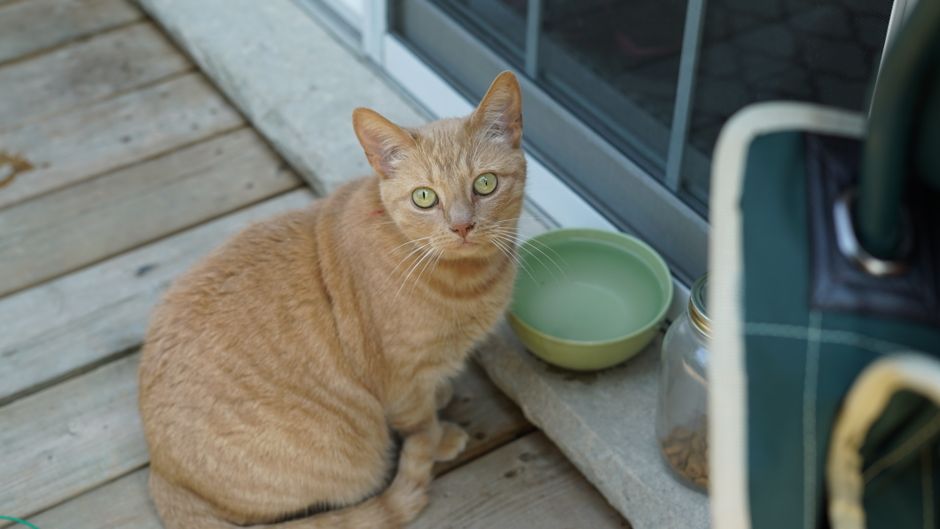
This is the most common cause by a wide margin, particularly in multi-cat households or in cats that eat dry food once or twice a day. The cat eats so quickly that the stomach cannot accommodate the volume, particularly when dry food then absorbs water and expands. The result: the food comes back up, often nearly intact, within 5 to 30 minutes of the meal.
How to recognize it:
- Vomit happens within an hour of eating, often within 15 minutes.
- The vomit contains recognizable food, sometimes with very little stomach acid.
- The cat is otherwise acting normal.
- It happens more with dry food than wet.
- Usually worse if there are food-stealing dynamics with other pets in the house.
Home fix:
- Switch to a slow-feeder bowl or puzzle feeder. These have ridges or compartments that force the cat to slow down.
- Spread food out on a flat plate rather than in a deep bowl.
- Feed smaller portions more frequently. Three or four small meals a day instead of one or two big ones.
- Separate cats during feeding if there is competitive eating.
- For dry food specifically: try moistening with warm water and letting it absorb for 10 minutes before feeding. This pre-empts the stomach expansion problem.
This category resolves with simple environmental changes about 80 percent of the time. If vomiting continues after a week of slow-feeder use, move to category 2.
2. Food intolerance or sensitivity

The second most common cause is the cat's digestive system reacting to something specific in the diet. This is different from a food allergy (which is immune-mediated and rare in cats). Sensitivity is more about the digestive process not handling the ingredient well.
The most common culprits in cats:
- Dairy. Despite the cartoon stereotype, most adult cats are lactose intolerant. Milk, yogurt, cheese, and any dairy in the food can trigger vomiting and diarrhea.
- Beef. Surprisingly common as a sensitivity in cats.
- Specific fish proteins. Some cats handle one fish (salmon) but react to another (tuna).
- Grain in dry food. A minority of cats but real.
- Specific food gums and thickeners. Carrageenan, xanthan gum, and a few others can trigger GI reactions in sensitive cats.
How to recognize it:
- Vomiting happens consistently with one specific food or food brand.
- May include other symptoms: loose stools, gas, occasional skin issues.
- Resolves when the food is changed and returns when the food is reintroduced.
- Often started after a recent food change, or has been chronic with no improvement on the current diet.
Home fix:
- Try a single-protein, simple-ingredient food. Look for "limited ingredient" or "novel protein" formulations. Rabbit, duck, or venison are common novel options for cats.
- Switch from dry to wet food for at least three weeks as a test. Many sensitivities resolve on wet food alone, because the dry food formulation is what was triggering it.
- Eliminate all dairy.
- Run the new food strictly for at least 4 to 6 weeks before judging whether it worked.
3. Hairballs
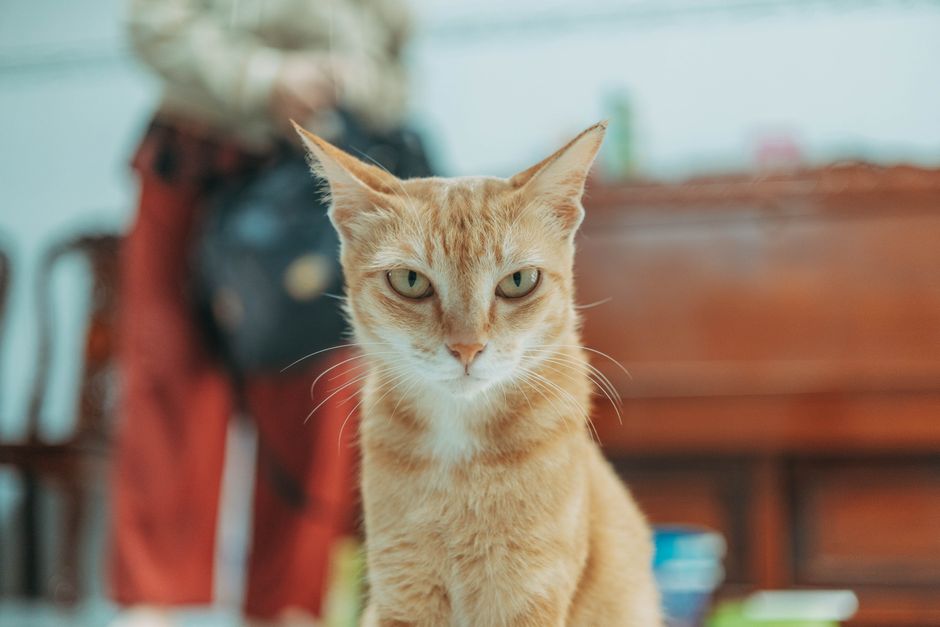
Long-haired and grooming-prone cats swallow significant amounts of hair. Most of it passes through the GI tract uneventfully. Some accumulates in the stomach and triggers vomiting, sometimes with food, sometimes alone.
How to recognize it:
- Vomit contains visible hair, often in tube-like clumps.
- Cat may make distinctive retching noises before producing the hairball.
- More common in long-haired breeds (Persians, Maine Coons, ragdolls) and in seniors who groom more.
- Often happens irregularly rather than after every meal.
Home fix:
- Brush daily. This is the single most effective intervention. Removing hair before the cat swallows it eliminates the source.
- Hairball control food (commercial diets formulated with extra fiber) helps moderately. Not a substitute for brushing.
- Petroleum-based hairball remedies (Laxatone and similar) work as a lubricant. Use occasionally rather than daily.
- Increase water intake. Switch some food to wet, add a water fountain, place multiple bowls around the house.
If vomiting is purely hairball-driven, the food is not the issue and changing food will not help. Focus on the grooming.
4. Underlying medical conditions
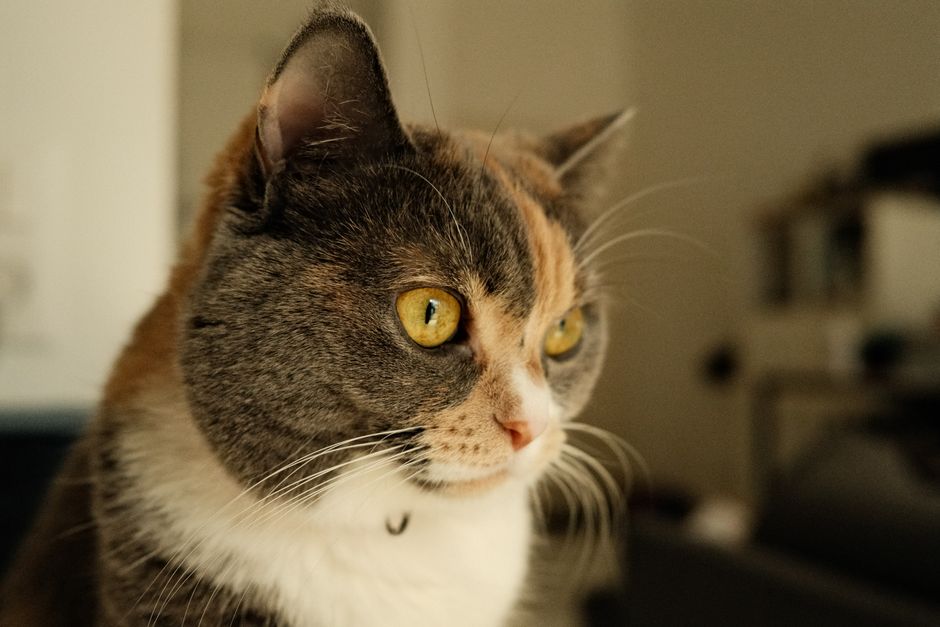
A meaningful percentage of chronic vomiting cats have an underlying medical issue that the food is just revealing. The most common ones:
- Inflammatory bowel disease (IBD) is increasingly recognized as a major cause of chronic vomiting in cats. Often dismissed as "just a sensitive stomach" for years before being properly diagnosed. The Cornell Feline Health Center describes how persistent vomiting and diarrhea can point to IBD rather than ordinary stomach upset.
- Hyperthyroidism in middle-aged and older cats. Vomiting is one of several symptoms; weight loss despite increased appetite is the classic combination.
- Kidney disease, particularly in seniors. Vomiting often appears later in the disease but is a key symptom.
- Pancreatitis, which cats get more often than dogs but often subclinically.
- Intestinal parasites, particularly in younger cats or cats with outdoor access.
- Foreign body obstruction. A swallowed object (hair tie, ribbon, plastic) can cause partial obstruction and chronic vomiting.
How to recognize this category:
- Vomiting persists despite slow-feeder, food change, and grooming interventions.
- Other symptoms present: weight loss, increased thirst, decreased appetite, lethargy.
- Cat is older (kidney disease and hyperthyroidism are more common past age 8).
- Vomiting includes blood, bile, or has changed in pattern recently.
This is the category where home approaches stop being sufficient. Persistent vomiting in a cat warrants a vet visit including bloodwork, urinalysis, and possibly imaging. Cats hide illness well, and what looks like "just a sensitive stomach" can be early-stage kidney disease that has been progressing for months.
5. Sudden food change or temperature
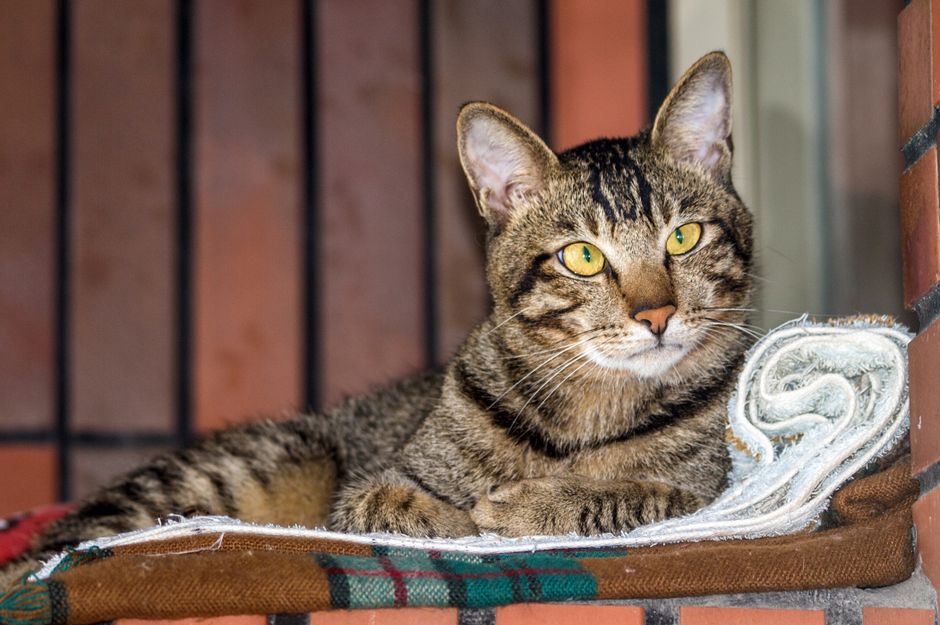
The least common but most easily-diagnosed cause: the food was changed too suddenly, or the food was served too cold.
Sudden food change: Cats are even more sensitive to food transitions than dogs. The microbiome adjusts more slowly. A switch over five days that would barely register on a dog can produce a week of vomiting in a cat. Use a 14 to 21 day transition for any cat food switch.
Temperature: Refrigerated wet food fed cold can trigger vomiting in some cats. Warm it briefly (under hot water in the can, or microwave for 5 to 10 seconds and stir) before serving. Body temperature is ideal.
These are the easiest to diagnose because the vomiting starts in clear association with the change. If you switched foods last Tuesday and the cat started vomiting Wednesday, the food change is the answer until proven otherwise.
When to call the vet
The home approach is appropriate for the first three categories above. The vet visit should not wait if you see:
- Vomiting more than twice in 24 hours.
- Blood in the vomit, or vomit that is dark and coffee-ground in appearance.
- Vomiting accompanied by lethargy, hiding, or refusing to eat.
- Repeated vomiting in a cat under one year old or over twelve.
- Weight loss alongside vomiting.
- Increased thirst or urination alongside vomiting.
- Vomiting that has been going on for more than two weeks despite home interventions.
Cats hide illness, and they decompensate quickly when they finally show signs. A cat that has stopped eating for more than 24 hours is in actual danger of hepatic lipidosis (a liver crisis from rapid weight loss) and needs medical attention urgently. The American Animal Hospital Association advises calling the vet when vomiting is frequent, bloody, or paired with other symptoms rather than waiting it out.
What to do this week
If your cat is vomiting after meals and is otherwise healthy and happy:
- Get a slow-feeder bowl. Costs $10. Solves the most common cause.
- Eliminate dairy entirely if it is in the diet anywhere.
- Brush daily if your cat has any meaningful coat length.
- Switch from dry to wet food for three weeks as a test.
- Keep a vomiting log: date, time, time since meal, what came up, any context. This is gold if you do end up at the vet.
If after two weeks of these changes the vomiting continues or worsens, escalate to the vet. Bring the log.
Frequently Asked Questions
Why does my cat throw up right after eating?
The most common reason is eating too fast. When a cat gulps a meal, especially dry food that then absorbs water and expands, the stomach cannot hold the volume and the food comes back up nearly intact within 5 to 30 minutes. A slow-feeder bowl or smaller, more frequent meals fixes this roughly 80 percent of the time.
Is it normal for a cat to vomit after every meal?
No. Occasional vomiting happens, but vomiting after every meal is a signal of something specific, usually pace of eating, a food sensitivity, hairballs, or an underlying condition. Persistent post-meal vomiting deserves investigation rather than being written off as a quirk.
When should I take my vomiting cat to the vet?
Do not wait if your cat vomits more than twice in 24 hours, brings up blood or dark coffee-ground material, also seems lethargic or refuses to eat, is losing weight, or is drinking and urinating more. A cat that has not eaten for more than 24 hours needs urgent care because of hepatic lipidosis risk.
Can a sudden food change make a cat vomit?
Yes. Cats are more sensitive to food transitions than dogs because their gut microbiome adjusts slowly. A switch that is too fast can trigger a week of vomiting, so use a 14 to 21 day transition for any cat food change.
Does cold food make cats throw up?
It can. Refrigerated wet food served cold triggers vomiting in some cats. Warm it briefly to body temperature, by setting the can under hot water or microwaving for 5 to 10 seconds and stirring, before serving.
The takeaway
Cats vomit, but cats do not vomit randomly. The trigger is usually pace of eating, ingredient sensitivity, hairballs, or underlying disease, in roughly that order of frequency. Slow-feeder bowls and food changes solve a meaningful percentage of cases for less than $50 in interventions. Persistent or worsening vomiting after those interventions is the threshold for veterinary investigation.
The folk wisdom that cats just throw up sometimes is half right. They do, but the underlying cause is almost always something specific. Find it.
If you are worried right now
If it is 9pm, the vet is closed, and you are staring at your cat trying to decide whether this is an emergency, you do not have to guess alone. JustAnswer's veterinarians answer questions online for a few dollars, and "is this the slow-down-the-eating kind or the go-in-tonight kind" is exactly the question they are good at. It is not a substitute for your own vet, but it beats a 2am panic search, and it is a lot cheaper than an unnecessary emergency visit.